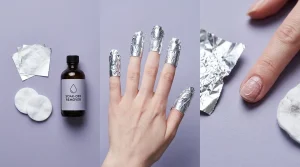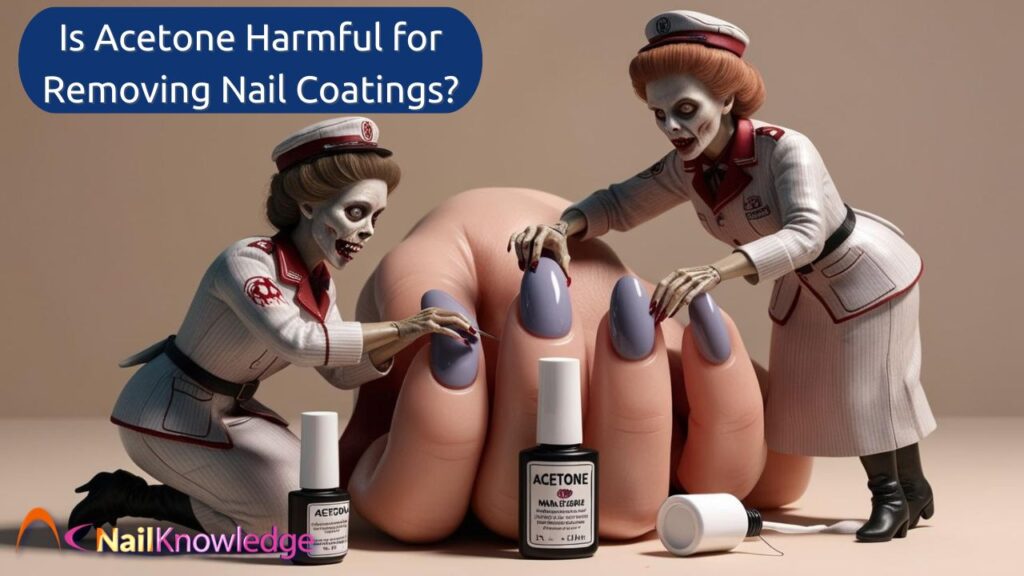
La acetona es una presencia ubicua en los salones de manicura, utilizada a menudo para eliminar productos de recubrimiento de uñas con una eficacia asombrosa. Pero a medida que sumergimos las puntas de los dedos en este potente disolvente, es natural preguntarse por su seguridad. ¿Es la acetona perjudicial para eliminar los recubrimientos de uñas? Vamos a investigar la ciencia y a separar los hechos de la ficción.


El poder penetrante de la acetona
Cuando se trata de la acetona y la penetración en la piel, es crucial distinguir entre “dentro” y “a través”. La acetona no penetra a través de la piel ni placa para clavos en cantidades significativas, pero puede entrar en las capas superiores. Imagínalo como un charco poco profundo sobre un pavimento caliente: podría filtrarse en las grietas, pero no llegará a la tierra subyacente.
La rápida evaporación de la acetona es clave para comprender sus efectos. Tan pronto como toca tu piel, el calor de tu mano hace que se evapore rápidamente. Esta rápida estrategia de salida significa que la acetona no permanece el tiempo suficiente para causar daños duraderos. Sin embargo, deja una marca: deshidratación temporal de las capas superficiales de la piel y las uñas.
La deshidratación: Un efecto superficial temporal
Imagina tu piel como una esponja. Al rociarla con acetona, es como exprimir esa esponja hasta secarla, pero solo en la superficie. La acetona se une al agua en las capas superiores, lo que hace que se vaporice junto con el disolvente. Esto crea un efecto de secado temporal, muy parecido a cómo una brisa fresca podría dejar tus labios agrietados.
¡Pero no temas! Esta deshidratación es pasajera. Así como una esponja seca absorbe rápidamente agua al sumergirla, tu piel y tus uñas se rehidratarán al exponerlas a la humedad. Es un poco como magia: ¡ahora lo ves, ahora no lo ves!
La seguridad ante todo: Acetona en los salones de manicura
¿Es la acetona perjudicial para eliminar recubrimientos de uñas a largo plazo? La evidencia sugiere que no. Con un largo historial de uso seguro en salones, la acetona se ha ganado su reputación como uno de los disolventes más seguros disponibles para el cuidado de las uñas. Es como el viejo y confiable martillo en una caja de herramientas: simple, efectivo y fiable.
Sin embargo, como cualquier herramienta, la acetona debe usarse correctamente. Es altamente inflamable, así que mantenla alejada de fuentes de calor, chispas o llamas. Usar acetona cerca de un cigarrillo encendido o una vela sería como hacer malabares con bolas de fuego, ¡emocionante, pero potencialmente desastroso!
El calentamiento de la acetona (¡pero no demasiado!)
Si alguna vez has considerado calentar acetona para aumentar su efectividad, piénsalo de nuevo. Calentar acetona es como acelerar el motor de un coche deportivo: lo hace más volátil y potencialmente peligroso. El método más seguro es calentarla suavemente en una botella de plástico con tapa floja sumergida en agua tibia, no más caliente que un jacuzzi acogedor (aproximadamente 40 °C o 104 °F).
Recuerda, los vapores de acetona son inflamables, no el líquido en sí. Por lo tanto, usar acetona en un área bien ventilada es crucial. Piensa en ello como darle espacio a la acetona para que respire, ¡y también para mantener tus pulmones felices!
El veredicto: ¿Es perjudicial la acetona para eliminar el esmalte de uñas?
En el gran esquema de las cosas, la acetona parece ser una opción segura para eliminar recubrimientos de uñas cuando se usa correctamente. Es como un cirujano hábil: preciso, efectivo y seguro en las manos adecuadas. Si bien puede causar deshidratación temporal de la superficie, no hay evidencia de daño a largo plazo por el uso típico en salones de uñas.
Dicho esto, la piel de cada persona es diferente. Si notas que la acetona deja tu piel especialmente seca o irritada, quizás quieras explorar alternativas más suaves. Todo se trata de encontrar lo que mejor funciona para ti; después de todo, ¡la belleza no debería costar tu comodidad!
Prácticas seguras para el cuidado de las uñas
Al concluir nuestra aventura con la acetona, no olvidemos el panorama general. El cuidado seguro de las uñas no se trata solo de los productos que usamos, sino de cómo los usamos. Aquí tienes algunos consejos para mantener tus uñas (y a ti misma) felices y saludables:
- Utilice siempre la acetona en una zona bien ventilada.
- Mantener la acetona alejada de fuentes de calor y llamas abiertas.
- Si experimenta alguna reacción inusual, consulte a un profesional sanitario.
- No olvides hidratar después de usar acetona para combatir ese efecto temporal de sequedad.
En conclusión, aunque la acetona es un disolvente potente, no es la morderse las uñas historia de terror que a algunos les puede dar miedo. Cuando se usa de forma responsable, es una herramienta segura y eficaz para eliminar recubrimientos de uñas. Así que la próxima vez que estés en el salón, puedes relajarte y dejar que tu uñas en remojo en acetona Sin preocuparse. Después de todo, la vida es demasiado corta para la ansiedad que te roe las uñas, ¡guarda esa energía para elegir tu próximo fabuloso color de uñas!
Comprobación científica de acetona
La acetona no daña, debilita ni cambia la estructura de la uña natural.
No desnaturaliza la queratina ni causa daño permanente.
La acetona elimina temporalmente los aceites superficiales y la humedad, lo que puede hacer que las uñas se sientan secas. Este es un efecto cosmético, no un daño estructural, y es completamente reversible con la hidratación adecuada y el uso regular de aceite para uñas.