• Bỏ qua primary navigation
  • Bỏ qua nội dung chính
  • Bỏ qua footer
Kiến thức về móng tay

Kiến thức về móng tay

  • Các khóa học
  • Sách điện tử
  • Giỏ sách điện tử
  • Cơ sở tri thức
    • Cơ sở tri thức
    • Hỏi các chuyên gia
    • Thuật ngữ
  • Tin tức
  • Blog
  • Phòng trưng bày
    • Thư viện nghệ thuật làm móng
    • Nghệ sĩ làm móng
    • Tham gia Elite
  • Đăng nhập

Thông tin chung

Hiểu về sự dày lên của các phiến móng và nền móng ở phụ nữ lớn tuổi

I have noticed that older ladies, say 60+, have a lot thicker nails that are sometimes challenging to cut even with professional equipment! Also, sometimes this is accompanied by a thickening of the nail bed underneath which attaches itself to the nail plate as it grows. I never cut the nail bed as this can cause all manner of problems, least of which is bleeding.

Nguyên nhân gây ra móng tay dày ở phụ nữ lớn tuổi

What causes thickening of the nail plate and bed in this age group? For both healthy toes and fingers, the thickness of the nail plate is determined solely by the length of the nail matrix where the nail plate cells are created. The matrix does not suddenly grow longer, so the nail plate under most circumstances won’t suddenly begin to grow thicker. Several things can cause the plate to appear thickened.

Hiểu các yếu tố đằng sau sự dày lên của tấm móng và lớp nền

For example, if the layers of the nail plate begin to separate, the plate will appear to thicken. An example is a roll of toilet paper. The roll will appear to thicken when it becomes wet, not because there is more paper on the roll, but because the layers are slightly farther apart. Thickening can happen when the nail plate is infected by fungal organisms. Fungi eat keratin, which causes the plate to loosen and come apart.

Tách lớp móng: Ảo giác về sự dày lên

Hư hỏng nhỏ hoặc kích ứng liên tục bản thân nền móng có thể gây ra để sản xuất một số tế bào móng. Trong những trường hợp bình thường, tất cả các tế bào móng trong mảng móng đều đến từ vùng ma trận ở gốc của mảng móng. Tuy nhiên, điều này có thể thay đổi nếu móng bị thương. Trong một số trường hợp, nền móng có thể đóng góp thêm các tế bào móng vào đáy của mảng móng, có thể là một biện pháp bảo vệ.

Nhiễm trùng nấm: Thủ phạm gây dày móng

Một điều nữa cần phải hiểu. Không có khả năng là nền móng sẽ vẫn gắn chặt vào tấm kim loại, nhưng dưới móng can be firmly attached and be dragged outward with the nail plate as it grows. This can happen on both toes and fingers. The hyponychium is a seal that protects the nail bed from infection. When the nail is injured, sometimes this tissue remains attached to the bottom of the nail plate, it stretches as it grows, which can become painful. You are correct, this would bleed if cut.

Hyponychium: Sự kết nối mô với sự phát triển của móng

In medical terms, when living skin is abnormally stretched like this, it is called “pterygium”. This word is sometimes misused by nail professionals when applied to normal tissue. Pterygium is an abnormal growth of living skin and can occur on several parts of the body, including the nails. What causes this abnormal growth? When it occurs under the free edge, it is often caused by injury, which is another reason why it is unwise to cut this tissue. Doing so will only worsen the condition and can lead to infections.

Pterygium: Sự phát triển bất thường của da và chấn thương móng tay

Even though the plate can appear to thicken due to fungal infections, infected nail plates are being broken down and are coming apart to create an illusion that the nail plate has grown thicker. These infections often cause the plate to crumble or come apart more easily. Infection, disease, injury, irritation, or allergic reactions can cause the fingernails to form pterygium.

Giải mã sự thật về tình trạng dày móng tay

On the toes, the growth of pterygium is often a result of injury or diseases.  The injury doesn’t have to be severe, but it won’t be caused by minor injury. Some believe injury can also contribute to nail plate thickening, e.g., constant or repeated injury or irritation to the toes, but that is questionable based on how the nail plate grows. It would be best to refer them to a podiatrist or their own medical doctor.

Pterygium ở ngón chân: Nguyên nhân không chỉ do chấn thương

Even so, I’d also recommend talking to these clients about their footwear so they can identify any irritation or injury to that area since this can also lead to onycholysis. If the condition becomes painful or infected, they should be referred to a medical professional.

Tìm kiếm sự trợ giúp chuyên nghiệp: Khi nào nên tham khảo ý kiến bác sĩ chuyên khoa chỉnh hình

Tóm lại, hiểu được lý do đằng sau sự dày lên của các tấm móng and beds in older women is crucial for proper care. Whether it’s the separation of nail layers, fungal infections, or abnormal skin growth like pterygium, taking precautions and seeking professional help when needed can help maintain healthy nails and prevent complications. Stay informed and prioritize nail health as a part of overall well-being.

Phòng ngừa các vấn đề về móng: Nhận thức về giày dép và bệnh bong móng

Remember, thickened nails in older women can pose challenges when it comes to cutting them. It’s important to be cautious and avoid cutting the nail bed, which can lead to various problems, including bleeding. Instead, let’s delve into the factors that contribute to nail plate and bed thickening.

Khi các lớp của phiến móng bắt đầu tách ra, nó tạo ra ảo giác dày lên, tương tự như một cuộn giấy vệ sinh ướt trông dày hơn do sự tách biệt giữa các lớp tăng lên. Ngoài ra, nhiễm nấm có thể khiến phiến móng bị lỏng và tách ra, dẫn đến vẻ ngoài dày hơn.

Hơn nữa, tổn thương nhỏ hoặc kích ứng liên tục ở nền móng có thể thúc đẩy móng sản sinh thêm tế bào móng, có khả năng góp phần làm móng dày lên. Trong khi các tế bào móng thường bắt nguồn từ vùng ma trận ở gốc móng, chấn thương có thể làm thay đổi quá trình này, với nền móng sản sinh thêm tế bào như một cơ chế bảo vệ.

It’s worth noting that although the nail bed doesn’t usually remain attached to the nail plate, the hyponychium, a protective seal for the nail bed can be dragged outward as the nail plate grows, especially in cases of injury. It’s crucial to avoid cutting this tissue to prevent further complications and bleeding.

“Pterygium” refers to abnormal growth of living skin, which can occur on various body parts, including the nails. Nail professionals sometimes misapply this term to normal tissue. When pterygium occurs under the free edge of the nail, it’s often a result of injury. Cutting this tissue can worsen the condition and lead to infections, making it important to exercise caution.

Mặc dù nhiễm nấm có thể tạo ra ảo giác về sự dày lên, nhưng thực tế chúng phá vỡ và tách rời các phiến móng bị nhiễm trùng, thay vì tạo ra độ dày thực sự. Sự hình thành màng mộng có thể là do nhiều yếu tố như nhiễm trùng, bệnh tật, chấn thương, kích ứng hoặc phản ứng dị ứng.

On the toes, pterygium growth often stems from injuries or underlying conditions, but it’s important to note that minor injuries are unlikely to contribute significantly to nail plate thickening. In such cases, it is advisable to refer individuals to a podiatrist or a medical doctor for proper evaluation and guidance.

Khuyến khích khách hàng đánh giá giày dép của họ để tìm bất kỳ nguồn kích ứng hoặc chấn thương nào có thể xảy ra ở ngón chân, vì điều này cũng có thể dẫn đến tình trạng gọi là bong móng. Nếu móng dày trở nên đau hoặc bị nhiễm trùng, điều quan trọng là phải tìm kiếm sự hỗ trợ y tế chuyên nghiệp ngay lập tức.

Bằng cách hiểu nguyên nhân và thực hiện các biện pháp phòng ngừa thích hợp, mọi người có thể duy trì móng tay khỏe mạnh và giảm thiểu các biến chứng tiềm ẩn. Ưu tiên sức khỏe móng tay và tìm kiếm sự trợ giúp chuyên nghiệp khi cần thiết là những bước thiết yếu hướng tới sức khỏe tổng thể.

Thuộc chủ đề:Thông tin chung, Tình trạng móng tay

Bật mí sự thật đằng sau các sản phẩm không gây dị ứng trong ngành làm móng

In the nail industry, there is often a buzz surrounding hypoallergenic products, which are claimed to be less likely to cause allergic reactions. However, it’s crucial to understand that hypoallergenic does not equate to “non-allergenic.” Instead, it signifies a reduced likelihood of triggering allergic responses, although individuals with compromised immunity may still be affected. Furthermore, highly allergenic ingredients are intentionally included in formulations for specific purposes and are often substituted with alternatives possessing similar properties. To shed light on this subject, let’s delve into the concept of hypoallergenic products in the context of the nail industry and gain a comprehensive understanding of their true nature.

Understanding the Comparative Nature of Hypoallergenic Nail Products

Within the realm of nail products, the term hypoallergenic is a comparative descriptor that requires a point of reference for comparison. It is crucial to ascertain what these products are being compared to. While they may be labeled hypoallergenic in comparison to similar nail products, it is important to note that this comparison does not imply a complete absence of allergenic potential.

Navigating Personal Allergies and Individual Needs in the Nail Industry

For individuals who are concerned about potential allergic reactions, opting for hypoallergenic nail products can be a wise choice. However, it is even more beneficial to identify the specific ingredients that trigger allergic responses in your case, allowing you to avoid them entirely. By understanding the allergens that affect you personally, you can take proactive measures to protect your clients’ nail health and overall well-being. Collaborating with a dermatologist or allergist can prove invaluable in pinpointing the substances to avoid and selecting appropriate hypoallergenic alternatives.

The Science Behind Hypoallergenic Nail Formulations

Hypoallergenic nail products undergo meticulous formulation to minimize the risk of allergic reactions, particularly among individuals with sensitive skin or compromised immune systems. During the formulation process, highly allergenic ingredients are deliberately replaced with alternative substances that offer comparable properties. For example, if a traditional nail product contains an ingredient known to cause reactions, it may be substituted with a milder or less sensitizing alternative. This strategic ingredient selection helps create nail products that are better tolerated by a wider range of individuals.

Benefits and Considerations of Hypoallergenic Nail Products

Hypoallergenic nail products can offer numerous benefits for both nail technicians and their clients who are prone to allergies. They provide a reduced likelihood of triggering allergic reactions, making them suitable for individuals with sensitive skin or known allergies. However, it’s important to recognize that each individual’s nails and skin are unique, and what works for one person may not work for another. Therefore, conducting patch tests or seeking guidance from healthcare professionals is advisable before incorporating new nail products into your salon or personal routine. Additionally, maintaining proper nail hygiene, using quality tools, and implementing safe and hygienic practices can significantly contribute to overall nail health and minimize the risk of adverse reactions.

Phần kết luận

Hypoallergenic nail products in the industry offer a reduced potential for causing allergic reactions compared to similar products. However, it’s essential to remember that hypoallergenic does not guarantee complete immunity to allergies. By understanding personal allergies, seeking professional guidance, and adopting a comprehensive approach to nail care, nail technicians can make informed choices that prioritize the health and well-being of their clients’ nails.

Câu hỏi thường gặp

  1. What does it mean for a nail product to be hypoallergenic?
  • Hypoallergenic nail products are formulated to have a reduced likelihood of triggering allergic reactions compared to other similar products. However, it does not guarantee complete immunity to allergies.
  1. Are hypoallergenic nail products completely free of allergenic potential?
  • No, hypoallergenic products still have the potential to cause allergic reactions, albeit at a reduced rate. The term “hypoallergenic” indicates a comparative nature, suggesting a lower likelihood of triggering allergies but not a complete absence of allergenic potential.
  1. Why are highly allergenic ingredients intentionally included in some nail product formulations?
  • Highly allergenic ingredients may be intentionally included in nail product formulations for specific purposes, such as improving performance or achieving certain effects. However, in hypoallergenic products, these ingredients are often substituted with alternative substances that offer similar properties but with lower allergenic potential.
  1. How can individuals identify the specific ingredients that trigger allergic responses in their case?
  • To identify the specific ingredients that trigger allergic responses, individuals can consult with a dermatologist or allergist. These healthcare professionals can conduct tests and help pinpoint the substances to avoid, allowing for the selection of appropriate hypoallergenic alternatives.
  1. Are hypoallergenic nail products suitable for everyone?
  • While hypoallergenic nail products provide a reduced likelihood of triggering allergic reactions, each individual’s nails and skin are unique. What works for one person may not work for another. It is advisable to conduct patch tests or seek professional guidance before incorporating new nail products into a salon or personal routine to ensure compatibility and minimize the risk of adverse reactions.

Please note that these FAQs are for informational purposes and should not substitute professional advice.

Thuộc chủ đề:Thông tin chung, Sức khỏe và An toàn

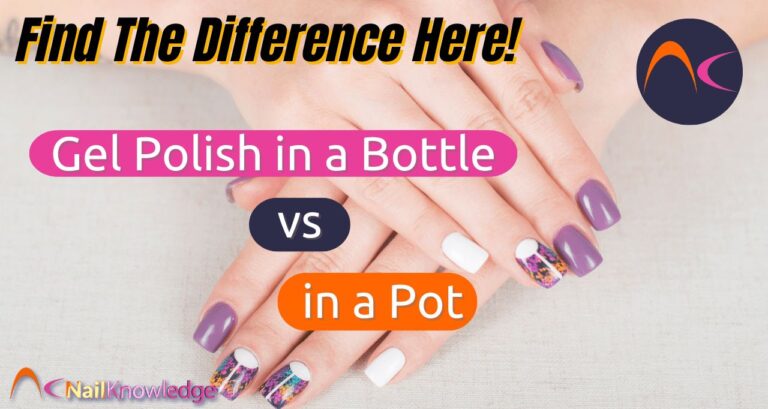
Sự khác biệt giữa sơn gel dạng chai và sơn gel dạng lọ là gì?

Gel polish has revolutionized the world of nail art, offering a longer-lasting and more durable alternative to traditional nail polish. Gel polishes come in two different forms in a bottle and in a pot. In this article, we will explore the differences between these types of gel polishes.

Sơn gel trong chai

Ge polish in a bottle is the most popular type.  It comes in a small bottle with a brush applicator. Gel polish in a bottle is known for its ease of use and convenience. You don’t need any additional tools to apply it, and it is easy to carry around if your a mobile nail professional.

Ưu điểm chính của sơn gel dạng chai là dễ sử dụng và có nhiều màu sắc và lớp hoàn thiện, từ bóng đến mờ. Có hàng trăm sắc thái khác nhau! Ngoài ra, thường là tùy chọn ngâm để dễ tẩy hơn. Nó gần như dễ sử dụng như sơn móng tay thông thường.

There are many brands out there, with different price levels and different quality. It is up to the nail professional to choose the brand that works best for them and covers all their needs.

Sơn gel trong lọ

Sơn gel trong lọ là phiên bản đặc hơn của sơn gel. Nó được đựng trong lọ nhỏ và được thoa bằng cọ. Nó thường có độ đặc và kem, giúp dễ thoa và kiểm soát.

Ưu điểm chính của sơn gel trong lọ là độ đặc của nó, khiến nó trở nên lý tưởng cho nghệ thuật làm móng. Thực tế là nó ở trong lọ cũng giúp bạn dễ dàng lấy sơn bằng nhiều loại cọ khác nhau và bạn có thể chắc chắn rằng bạn sẽ sử dụng hết từng giọt.

Sơn gel đựng trong lọ có loại dùng để ngâm hoặc loại dùng để dạng gel cứng, vì vậy hãy đảm bảo bạn biết trước loại sơn của mình thuộc loại nào vì điều này sẽ ảnh hưởng đến quá trình tẩy sơn.

Tuy nhiên, chúng tôi cần lưu ý rằng sơn gel trong lọ có thể gây bẩn, vì vậy hãy đảm bảo bạn làm sạch nhất có thể.

Bạn nên chọn cái nào?

Khi nói đến việc lựa chọn loại sơn móng tay dạng gel phù hợp, có một số yếu tố cần cân nhắc, chẳng hạn như giá cả, độ bền, dễ sử dụng và tính khả dụng. Sau đây là bảng so sánh để giúp bạn đưa ra quyết định sáng suốt:

Sơn Gel trong Chai

Pros – Dễ sử dụng, có nhiều màu sắc và lớp hoàn thiện, không cần thêm dụng cụ nào khác.
Cons – Không bền bằng gel cứng có màu.

Sơn gel trong lọ

Pros – Đa năng, thích hợp cho nghệ thuật làm móng, dễ dàng sử dụng tất cả các sản phẩm và có nhiều màu sắc.
Cons – Có thể lộn xộn khi sử dụng và khó loại bỏ hơn.

Cuối cùng, loại sơn gel bạn chọn phụ thuộc vào sở thích và nhu cầu cá nhân của bạn.

No matter which type of gel polish you choose, we advise you to take a class with the brand to learn the proper use of the specific product line, and then follow the manufacturer’s guidelines regarding application and removal protocols.

Phần kết luận

Tóm lại, sơn gel là một sự thay thế phổ biến và lâu dài cho sơn móng tay truyền thống. Sơn gel có nhiều loại khác nhau, mỗi loại có ưu và nhược điểm riêng, và việc lựa chọn loại phù hợp tùy thuộc vào sở thích và nhu cầu cá nhân của bạn.

Câu hỏi thường gặp

  1. Sơn gel dạng lọ có rẻ hơn sơn dạng chai không?
  • Tùy thuộc vào thương hiệu. Cả hai loại đều cung cấp những lựa chọn đắt tiền hơn và giá cả phải chăng hơn.
  1. Can I use the same UV/LED lamp for all types of gel nail polish?
  • Đèn UV/LED được hiệu chỉnh để hoạt động với sản phẩm bạn chọn sử dụng. Nếu chúng ta so sánh các loại sơn gel trong chai hoặc trong lọ từ cùng một thương hiệu, thì có, bạn sẽ có thể sử dụng cùng một loại đèn cho cả hai.
  1. Loại sơn gel nào bền nhất?
  • Sơn gel cứng có độ bền lâu hơn.
  1. Tôi có thể trộn các loại sơn gel khác nhau không? Điều này không được khuyến khích.
  2. Làm thế nào để tẩy sơn gel trên móng tay tại nhà?
  • You can remove some gel polishes by soaking them in acetone for 10-15 minutes. Most will require to have the top coat filed off first. Others cannot be soaked off and need to be filed off completely. We advise you to seek professional help for a safer removal.
  1. Can I apply gel polish on my natural nails?
  • Absolutely! Gel polishes were designed as a more durable alternative to nail polishes, which means they are meant to be applied on the natural nail. Please follow manufacturer’s guidelines for natual nail preparation, application, curing, and removal of your chosen brand.
  1. Tôi có cần sử dụng lớp sơn lót và sơn phủ đặc biệt cho sơn gel không?
  • Có, bạn nên sử dụng lớp sơn lót và sơn phủ có trong hệ thống sơn gel mà bạn đã chọn để đảm bảo độ bám dính tốt và bền lâu.
  1. Sơn gel có thể làm hỏng móng tay của tôi không?
  • Gel polish should NOT damage your nails, as long as you follow manufacturer’s guidelines. Do not overfile the natural nail, and follow the correct protocol for a safe removal.
  1. Sơn gel giữ được bao lâu?
  • Gel polish can last up to 3-4 weeks without chipping or peeling. It is recommended to remove and reapply every 3 weeks to maintain the integrity of both the natural nail and the coating.
  1. Làm sao để giữ sơn móng tay dạng gel bền lâu hơn?
  • To make your gel nail polish last longer, avoid exposing your nails to harsh chemicals and excessive water.  Maintain them with a good quality oil and lotion, if cracks occur or the nail coating is damaged replace it ASAP.

We hope this article has provided you with a better understanding of the differences between gel polish in a bottle or in a pot. Whether you’re a professional nail technician or a DIY enthusiast, choosing the right type of gel product and following manufacturer’s guidelines can make all the difference in achieving the perfect manicure.

Thuộc chủ đề:Thông tin chung, Gel UV

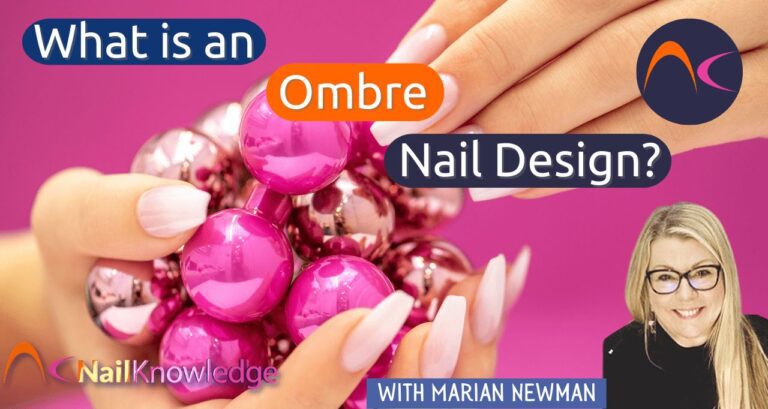
What is an Ombre Nail Design?

Blending Colors for a Two/Three Tone Effect

An ombre nail design, that is where 2 or more colours are blended together to give a two/three tone effect is very popular both with clients and nail pros.

However, try to use colours from the same brand and not from different brands.

This is very tempting if you use more then one brand and the exact colour combos you want are in different ranges.

The Safest Method for Blending Different Brands of Nail Polish

If you do use different brands for your ombre the safest way is to cure the coating with both lamps that match both brands. You will not overcure one but both need to be properly cured.

You may feel like they are both cured as they will feel hard probably but one of them will not be properly cured.

Don’t trust to luck or take chances! Use the same brand or cure with all matched lamps.

Thuộc chủ đề:Thông tin chung

Một cuộc khám phá văn hóa về công nghệ làm móng trong thời đại Victoria

Victorian Age: 1837 AD – 1901 AD (Reign of Queen Victoria)

Một nghiên cứu về thời trang và xã hội

Trong thời đại Victoria, công nghệ làm móng đóng vai trò quan trọng trong thời trang và các hoạt động làm đẹp. Trong bài viết này, chúng ta sẽ khám phá những ảnh hưởng văn hóa của công nghệ làm móng trong thời đại Victoria, với mức độ phức tạp và bùng nổ cao.

Xã hội Victoria và Thực hành Làm đẹp

The Victorian Era was a time of social and cultural change, with fashion and beauty practices serving as a means of expressing one’s status and identity. Nail technology played a significant role in these practices, with elaborate nail designs and care techniques becoming increasingly popular.

• Tiêu chuẩn sắc đẹp: Trong xã hội Victoria, tiêu chuẩn về cái đẹp bị ảnh hưởng rất nhiều bởi địa vị xã hội và vai trò giới tính. Phụ nữ được kỳ vọng phải duy trì một mức độ ngoại hình nhất định, bao gồm cả móng tay và bàn tay được chăm sóc cẩn thận.
• Ảnh hưởng của Nữ hoàng Victoria: Queen Victoria’s reign had a significant impact on Victorian society, including beauty and fashion practices. The Queen herself was known for her impeccable personal style, which included well-manicured nails.

Sự xuất hiện của các phương pháp chăm sóc móng hiện đại

During the Victorian Era, modern nail care practices began to emerge, setting the foundation for modern-day nail technology. These practices were influenced by both beauty and health concerns.

• Sản phẩm chăm sóc móng: Nail care products such as cuticle creams, nail files, and buffers became widely available during the Victorian Age. These products helped to improve the health and appearance of nails, making them an essential part of beauty routines.
• Tiệm làm móng: Các tiệm làm móng cũng bắt đầu xuất hiện trong Thời đại Victoria, cung cấp không gian cho mọi người nhận được dịch vụ chăm sóc móng chuyên nghiệp. Những tiệm này cũng đóng vai trò là nơi tụ họp xã hội, càng làm nổi bật tầm quan trọng của việc chăm sóc móng trong xã hội Victoria.

Xu hướng thời trang

Fashion trends also played a significant role in the cultural influences of nail technology in the Victorian Age. Nails were seen as an extension of one’s personal style, with intricate designs and colors becoming increasingly popular.

• Thiết kế móng tay cầu kỳ: Elaborate nail designs featuring lace, flowers, and other intricate patterns were popular during the Victorian Era. These designs were often created by hand, showcasing the artistry and creativity of nail technicians.
• Ảnh hưởng của thời trang Gothic: The Victorian Era was also known for its Gothic fashion, which heavily influenced nail art designs. Dark colors and bold designs were popular, reflecting the somber and dramatic style of Gothic fashion.
• Vai trò của đồ trang sức: Jewelry was an essential part of Victorian fashion, and this included nail jewelry. Elaborate nail charms and rings were often worn as a way to enhance the overall appearance of one’s hands and nails.

Kết luận

Nail technology played a significant role in fashion and beauty practices during the Victorian Era. The emergence of modern nail care practices and elaborate nail art designs reflects the changing social and cultural norms of the time. Fashion trends and the influence of Queen Victoria’s personal style also highlight the importance of nail technology in Victorian society.

Thuộc chủ đề:Thông tin chung, Công nghệ làm móng

Một cuộc khám phá văn hóa về công nghệ làm móng trong thời kỳ Phục hưng

Inca Empire: 14th Century AD – 17th Century AD

Artistic Expression and Fashion Trends

The Renaissance period was a time of great artistic and cultural advancement in Europe, and the practice of nail technology was no exception. In this article, we will explore the cultural influences of nail technology in the Renaissance, with a high degree of perplexity and burstiness.

Artistic Expression

Nail technology during the Renaissance was seen as a form of artistic expression, with elaborate nail art designs becoming increasingly popular. The nails were seen as an extension of one’s personal style and were used to complement clothing and accessories.

• The Birth of Manicures: During the Renaissance period, the practice of manicures began to emerge. The nails were cleaned, trimmed, and filed, and then painted with elaborate designs and colors. The first recorded use of the term “manicure” dates back to the 17th century, although the practice likely began much earlier.
• Intricate Designs: The Renaissance was a time of great artistic expression, and nail technology was no exception. Intricate designs featuring floral patterns, geometric shapes, and religious symbolism were commonly seen on the nails of both men and women.
• The Influence of Renaissance Art: The art of the Renaissance period heavily influenced nail art designs. The use of perspective, chiaroscuro, and other techniques commonly found in Renaissance art were incorporated into nail art designs, creating a new form of artistic expression.

Xu hướng thời trang

Fashion trends also played a significant role in the cultural influences of nail technology in the Renaissance. The nails were seen as a way to complement and enhance one’s overall style, and were often coordinated with clothing and accessories.

• The Emergence of Nail Polish: During the Renaissance, nail polish was invented as a way to add color and shine to the nails. Initially, nail polish was made from natural materials such as beeswax, egg whites, and vegetable dyes. Later, the invention of synthetic materials led to the development of modern nail polish.
• Social Status: As with many aspects of Renaissance society, the style and care of one’s nails were heavily influenced by social status. The upper classes often had their nails painted with elaborate designs and bright colors, while the lower classes were more reserved in their nail care practices.
• The Influence of French Fashion: French fashion played a significant role in the cultural influences of nail technology in the Renaissance. The French court was known for its elaborate fashion and beauty practices, and the style of French fashion was often imitated throughout Europe.

Kết luận

Nail technology during the Renaissance period was a form of artistic expression and fashion statement. The emergence of manicures and elaborate nail art designs, as well as the use of nail polish, highlights the significance of nail technology in Renaissance society. The influence of Renaissance art and French fashion can still be seen in modern nail art, making it a timeless and constantly evolving aspect of the beauty industry.

Thuộc chủ đề:Thông tin chung, Công nghệ làm móng

  • « Chuyển đến Trang trước
  • Trang 1
  • Interim pages omitted …
  • Trang 17
  • Trang 18
  • Trang 19
  • Trang 20
  • Trang 21
  • Interim pages omitted …
  • Trang 30
  • Chuyển đến Trang sau »

Nâng cao kiến thức về làm móng

Tham gia bản tin của chúng tôi!
ĐĂNG KÝ...

Bản quyền © NailKnowledge

Kiến thức về móng tay

  • Sách điện tử
  • Về chúng tôi
  • Các khóa học
  • Tin tức
  • Blog
  • Bản tin
  • Thuật ngữ

Chính sách

  • Trang riêng tư
  • Điều khoản và điều kiện
  • Chính sách Cookie

Ủng hộ

  • Liên hệ với chúng tôi
  • Hỏi các chuyên gia
  • Hỗ trợ hệ thống
  • Câu hỏi thường gặp
Vietnamese
Vietnamese
English Portuguese Spanish