• Bỏ qua primary navigation
  • Bỏ qua nội dung chính
  • Bỏ qua footer
Kiến thức về móng tay

Kiến thức về móng tay

  • Các khóa học
  • Sách điện tử
  • Giỏ sách điện tử
  • Cơ sở tri thức
    • Cơ sở tri thức
    • Hỏi các chuyên gia
    • Thuật ngữ
  • Tin tức
  • Blog
  • Phòng trưng bày
    • Thư viện nghệ thuật làm móng
    • Nghệ sĩ làm móng
    • Tham gia Elite
  • Đăng nhập

Thông tin chung

Mối nguy hiểm của thông tin sai lệch trong ngành làm móng

In today’s nail industry, misinformation is an increasing concern that affects both professionals and clients alike. Misguided practices not only lead to poor results but can also pose serious health risks. Now, more than ever, nail technicians need to rely on scientific evidence and reliable sources to ensure the safety and effectiveness of their treatments.

Thông tin sai lệch lan truyền như thế nào trong ngành làm móng

Ở nhiều quốc gia trên thế giới, bao gồm cả Chile, nơi tôi sinh ra, thông tin không chính xác thường được truyền đi thông qua những người có sức ảnh hưởng hoặc những người đào tạo không có nền tảng khoa học vững chắc. Những cá nhân này, với lượng người theo dõi đông đảo, vô tình duy trì những huyền thoại và kỹ thuật sai lầm gây hại thay vì giúp ích. Thay vì tuân theo nghiên cứu đã được xác minh, nhiều chuyên gia dựa vào những tuyên bố lỗi thời hoặc chưa được chứng minh, góp phần vào thông tin sai lệch lan rộng.

Tác động toàn cầu của những huyền thoại trong ngành làm móng

This isn’t an issue isolated to a single region—misinformation in the nail industry has become a global problem. With the internet and social media playing such a dominant role in how information is shared, nail professionals across the world are exposed to misconceptions. Whether it’s improper application techniques, the use of harmful products, or following unverified trends, these practices can compromise the safety of clients.

Hậu quả của việc theo dõi thông tin sai lệch

The impact of following inaccurate information can be serious. Using unsafe products or techniques can lead to issues like allergic reactions, infections, and long-term damage to the nails or skin. Beyond physical harm, the reputation of the professional and the broader nail industry suffers when clients are subjected to unsafe or ineffective treatments.

Trách nhiệm của thợ làm móng chuyên nghiệp

To combat the spread of misinformation, it’s critical that nail professionals commit to continuous education. By seeking out evidence-based information and verifying facts with reliable, scientific sources, professionals can ensure they are offering safe and effective treatments. Consulting accredited educational platforms, industry publications, and attending certified workshops can help improve the standard of care within the industry.

Lời kêu gọi cho một ngành công nghiệp được thông tin nhiều hơn

Trách nhiệm ngăn chặn vòng xoáy thông tin sai lệch thuộc về mọi người trong ngành làm móng.

By questioning information, doing thorough research, and sharing knowledge grounded in science, we can all contribute to a safer, more informed nail care community.

Chỉ bằng cách ưu tiên sự thật hơn là huyền thoại, chúng ta mới có thể tiến tới một ngành công nghiệp chuyên nghiệp và đáng tin cậy hơn, luôn đặt sự an toàn của khách hàng lên hàng đầu và chúng ta chỉ đạt được điều đó nếu tất cả cùng chung tay làm việc.

Thuộc chủ đề:Thông tin chung, Dịch vụ làm móng

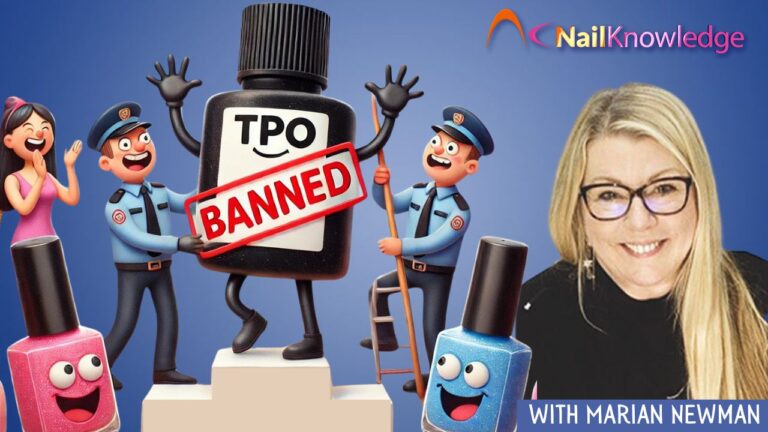
Lệnh cấm TPO: Những điều mà các chuyên gia làm móng cần biết

You may have heard about the upcoming ban on TPO in nail coating products. But what does this mean for nail professionals?

Regulatory Update (UK 2026)

This article has been updated to reflect the confirmed UK regulatory timeline for Trimethylbenzoyl Diphenylphosphine Oxide (TPO). Under amendments to the UK Cosmetics Regulation, products containing TPO will no longer be permitted to be newly placed on the Great Britain market from 15 August 2026, with a further deadline of 15 February 2027, after which non-compliant products can no longer be made available for sale. These changes apply to cosmetic nail products supplied in both professional and retail settings.

Rủi ro sức khỏe của TPO và lệnh cấm sắp tới đối với lớp phủ móng tay được xử lý bằng tia UV

TPO, short for Trimethylbenzoyl Diphenylphosphine Oxide, is a photo initiator commonly used in UV-cured nail coatings. However, the European Commission has classified TPO as a potential health hazard if present in the body in sufficient quantities.

Bắt đầu từ tháng 9 năm 2025, việc đưa thành phần này vào sẽ là bất hợp pháp sản phẩm làm móng mỹ phẩm across Europe, with the UK implementing similar restrictions from 15 August 2026, followed by a sell-through period allowing existing stock already supplied to the market to remain available until 15 February 2027. This ban applies to the manufacture and sale of new products, not to the use of existing ones.

In cosmetic regulatory terms, this means products containing TPO cannot be newly supplied or imported after the deadline dates. Nail professionals and retailers are not expected to immediately dispose of existing stock purchased before the restriction takes effect.

Nỗ lực cải tiến và các giải pháp thay thế TPO trong sản phẩm làm móng

Many reputable brands have already addressed this issue by reformulating their products to exclude TPO. There are several alternative photo initiators that provide similar results, ensuring that the performance of nail products is not compromised.

Sử dụng TPO an toàn trong dịch vụ làm móng cho đến khi lệnh cấm có hiệu lực

It is important to note that this regulatory change does not represent a ban on gel nail products themselves. TPO is one of several photoinitiators used within UV and LED curing systems, and alternative ingredients are already widely available. The restriction reflects an updated regulatory classification rather than evidence that professionally used nail gel products suddenly pose a new safety risk.

For nail professionals, it’s important to know that you can still safely use products containing TPO until the ban takes effect. The levels of TPO used in nail services are far below those considered harmful.

Đảm bảo tuân thủ thương hiệu và an toàn cho khách hàng trong quá trình chuyển đổi sang các sản phẩm không chứa TPO

It’s a good idea to check with your brand about their plans regarding this new legislation. If your brand has not yet moved to TPO-free products, it might be time to reconsider your options.

There’s no need to worry your clients if you need to switch brands. Cosmetic ingredients are regularly reviewed to ensure safety, and your existing gel polishes will continue to be safe to use during the transition period.

Doug Schoon về việc loại bỏ TPO: Tác động của ngành công nghiệp và cân nhắc về an toàn

Doug Schoon, a respected scientist in the industry and expert at NailKnowledge, explains that removing TPO from nail products won’t necessarily affect their performance, though reformulation will be required. He notes that TPO can cause skin sensitisation or allergic reactions if not used properly, especially if skin contact isn’t avoided. However, when applied correctly by trained professionals, adverse effects are rare.

Schoon points out that most concerns about TPO stem from its use in non-nail-related industries, such as manufacturing printing inks and industrial adhesives. The decision to remove TPO from nail coatings isn’t due to issues with the nail products themselves, but rather as a precautionary measure for consumer safety.

Ông khuyên rằng các thương hiệu có thể tạo điều kiện cho quá trình chuyển đổi này bằng cách cải tiến sản phẩm với chất khởi tạo ảnh an toàn hơn, cung cấp giáo dục về các kỹ thuật ứng dụng phù hợp cho các công thức mới và dán nhãn rõ ràng các tùy chọn không chứa TPO. Nhiều thương hiệu làm móng có thể đã và đang nghiên cứu hoặc tung ra các lựa chọn thay thế TPO có hiệu quả tương tự. Các chuyên gia làm móng nên chủ động hợp tác với các nhà cung cấp sản phẩm của mình để hiểu những thay đổi này, đặc biệt là vì khách hàng có thể hỏi về tính an toàn và phương pháp ứng dụng của các công thức mới.

Understanding the TPO Ban and Cosmetic Safety Classification

The restriction follows the classification of TPO as a CMR Category 1B substance under European chemical legislation. Under cosmetic regulations, ingredients receiving this classification are automatically prohibited for precautionary reasons, even where normal cosmetic exposure levels are considered low. This regulatory mechanism is applied across many cosmetic ingredient reviews and does not indicate that compliant nail services performed using approved products are unsafe.

Preparing for the TPO Ban: Guidance for Nail Professionals and Brands

As the transition progresses, nail professionals are encouraged to contact their product manufacturers or distributors to confirm reformulation timelines and future compliance. Many brands have already introduced TPO-free systems, and further updates are expected across the industry ahead of the 2026 and 2027 deadlines. Staying informed and planning ahead will help ensure continued compliance without disruption to salon services.

Thuộc chủ đề:Thông tin chung, Sức khỏe và An toàn, Dịch vụ làm móng

Móng tay của nam giới có giống với móng tay của phụ nữ không?

Do men’s nails differ from women’s, or are they essentially the same? How do you approach this significant demographic that represents half of the global population? Do you cater to male clients in your nail studio, or do you typically not address this group? Let’s explore what to expect when working with male clients.

Let’s see what you encounter when you have men as clients.

Men’s Natural Nails

At first glance, men’s and women’s nails look the same. But once you look at the details, there are some significant differences.

Evolutionary Reasons for Thicker Male Nail Plates

Các móng tay plate of a man, is thicker. In men with a healthy nail plate, the average thickness is 0.43 mm, while for women, it is 0.39 mm. The cause of this difference can be found in evolution, where men often had heavier physical tasks than women.

The thicker nail plate is not only found in humans; In all primates, the nail plates of males are thicker than those of females.

  • Harder Nail Plate

Besides being thicker, the nail plate is also harder in men.

  • Faster Growth

Another significant difference is the speed at which the nails grow. Men’s nails grow faster than women’s, except during pregnancy, when growth is more or less the same.

Nail Plate Thickness: Key Factors for Men and Women

Fortunately, men are also just humans, and the nails of men and women are otherwise identical. Here are a few basic rules:

  • If you have a short matrix, you will have a thin nail plate.
  • The thickness of the nail plate depends on the length of the matrix.
  • The longer the matrix, the thicker the nail plate will be.
  • Any disruption in the matrix will always result in an abnormal nail plate being male or female does not matter – disruption is disruption.

Man-i-cures: Attracting Male Clients to Your Salon

That men can be a good target group for the nail studio is not new. However, getting those men into the nail studio is much harder than expected. Of course, it also depends on where your nail studio is located. In rural areas, it can be challenging to go against established prejudices, whereas in the city, it is becoming less unusual for men to wear nail coatings – at our local DIY store – the guys wear gel polish – Black and Yellow seems to be their favorite color mix and they love it when I say – man your nails look great!

If you want men as clients in your nail studio, here are a few things to consider:

  • Men like clarity, so ensure clear pricing and service descriptions.
  • Men do not like delays; if the treatment takes half an hour, it cannot become 40 minutes, if you need 40 mins or 75 mins even – book it and charge for it.
  • Men respond differently to care advice than women. If you tell a male client to care for his nếp gấp móng tay four times a day with high-quality oil, they will do it four times a day. (this only works for men you did not give birth to or are not married too)
  • Men plan better ahead, so a manicure every three weeks is booked three months in advance. This makes men very suitable for subscription billing, making it easier for you to plan investments in the salon, or budgeting for special training.
  • Don’t forget the growth rate of nails in men is faster, so they may require more frequent appointments for in fills.
  • Men are willing to pay standard rates for treatments. If a manicure has a set price for 30 minutes, a man will pay that amount. If he finds it too expensive, he simply won’t become a client.

Why Attracting Male Clients to Your Nail Salon Is a Smart Business Move

Men in the salon are fun!

Measuring the rate of nail growth of any client before a service is important but for man clients more so simply because their nails grow at a faster rate, you want them back in the salon in time.

It could be worth popping in to the local barber to talk about working together in some capacity,  it’s always good to hook up with other local businesses.

If I could do it all again, I would definitely invest in getting more men at my manicure table, It just makes good sense.

Thuộc chủ đề:Việc kinh doanh, Thông tin chung, Dịch vụ làm móng

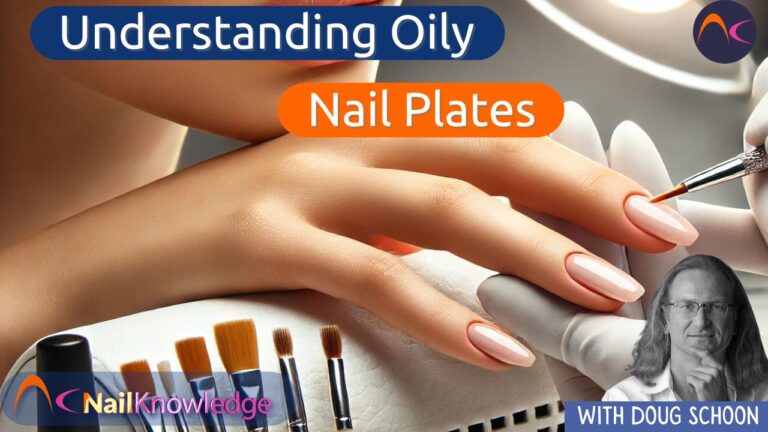
Móng tay dầu và cách sơn móng tay đúng cách

Nail professionals often encounter challenges related to the longevity of acrylic and gel polish on clients’ nails. A common belief is that “oily nail plates” are the primary reason for lifting and poor adhesion of these nail coatings. However, there is some confusion surrounding the presence of oil in the nail plate and its impact on nail treatments. In this query, a nail professional seeks a scientific explanation regarding the composition of nail plates and the true causes behind lifting issues. We provide clarity, addressing misconceptions and emphasizing the importance of proper preparation and application techniques to ensure lasting results.

Thắc mắc của chuyên gia làm móng về móng tay dầu

I keep seeing posts stating, ‘the client has oily nail plates, that’s why acrylic and gel polish doesn’t last.” My understanding is the nail bed doesn’t have oil glands so this isn’t possible. Clients can have creams or oils on their hands if they have not been washed correctly and the main reasons for gels and acrylics lifting is incorrect prep, not using correct ratios, mixing products or not using the correct lamp. Can you give me the correct scientific answer please?

Hiểu về các loại dầu tự nhiên trong móng tay

Yes, you are mostly correct. I do disagree with one thing, it’s a myth that a lack of sebaceous oil glands in the nail bed means the nail plate can’t contain oil. The nail bed and underlying tissues also produce natural oils of differing compositions than the sebaceous glands, but these other tissues don’t make nearly as much oil as the sebaceous glands.  About 3-5% of the weight of a nail plate is due to natural oils.

Hair can contain twice as much.  I do agree with you that if the surface of the nail plate is properly cleaned and prepared, that nail coatings will stick well to even normally “oily nail plates”. Of course, very oily or wet nail plates can be a challenge, but these challenges can be overcome when the proper procedures/techniques are used.

Giải quyết các vấn đề về lớp phủ móng tay

Don’t look for excuses for why the nail coatings don’t stick, instead, examine your own work carefully. Many of these problems are more likely related to improper preparation, improper application, improper cure and/or improper removal.  Examine each of these areas. Sloppy or incorrectly performed procedures may work ok for most clients, but these same procedures are more likely to cause problems with clients that have oily or wet nail plates.

Thuộc chủ đề:Thông tin chung, Phá vỡ huyền thoại

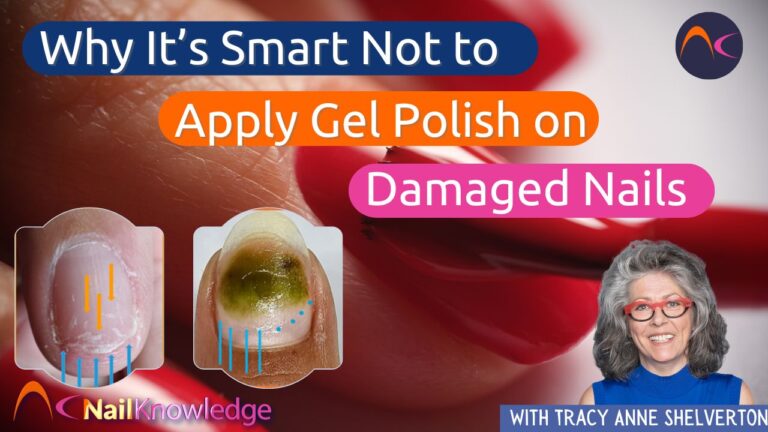
Tại sao không nên sử dụng sơn gel trên móng tay bị hư hỏng

Hiểu rõ những rủi ro khi sơn lại móng tay mà không để móng tay hồi phục đầy đủ

Khi móng tay bị hư tổn, điều quan trọng là phải để lớp móng phục hồi trước khi sơn lại bất kỳ loại sơn móng nào. Nếu không làm như vậy có thể dẫn đến các biến chứng, do đó việc lựa chọn phương án phù hợp nhất để bảo vệ sức khỏe và vẻ đẹp của móng tay là rất quan trọng.

Hình dung tác động: Trước và sau

Trước đây: Lớp phủ móng thông thường sau khoảng 10 ngày, bao gồm một lớp gel làm nền để tạo độ bóng và tăng độ bền.

Ảnh 1: Gel tạo kiểu trước khi xảy ra tai nạn

Sau đó: Tất cả các sản phẩm Builder In A Bottle đều làm bong tróc lớp móng cùng với phần mép tự do của móng.

Ảnh 2: Tổn thương móng sau tai nạn

Tầm quan trọng của việc bịt kín bề mặt móng

Nếu nhìn vào hình 2 và các mũi tên màu vàng, trước tiên chúng ta cần phải làm kín các lớp trên cùng của móng trước khi thoa thêm sơn gel; nếu không thể làm được điều đó, chúng ta sẽ phải sử dụng một lớp sơn lót bền hơn. Nếu không thực hiện bước này, chúng ta sẽ tạo ra các khoảng trống chứa không khí, độ ẩm hoặc cả hai dưới lớp sơn gel.

  • Không khí – tạo lực nâng
Các túi khí trong lớp móng

Những khe hở này có thể tích tụ các chất gây ô nhiễm mà móng tay tiếp xúc phải, chẳng hạn như bụi bẩn, vi khuẩn và độ ẩm. Nếu phát hiện sớm, sản phẩm có thể được tháo ra và thay thế để ngăn ngừa các vấn đề phát sinh. Tuy nhiên, nếu không được xử lý kịp thời, độ ẩm bị tích tụ có thể tạo thành môi trường lý tưởng cho các vi sinh vật gây bệnh cơ hội như Pseudomonas aeruginosa phát triển, dẫn đến nguy cơ nhiễm trùng.

Độ ẩm bị giữ lại gây ra vi khuẩn Pseudomonas aeruginosa

 Chúng ta có thể làm gì để ngăn chặn các vấn đề xảy ra?

Tai nạn là điều khó tránh khỏi, chúng ta không thể ngăn chặn chúng, nhưng khách hàng có thể góp phần bảo vệ bộ móng giả của mình bằng cách chăm sóc đúng cách. Dầu dưỡng chất lượng cao giúp ngăn ngừa sự tích tụ độ ẩm, đồng thời giữ cho móng và lớp sơn móng luôn dẻo dai, ít bị gãy hoặc nứt hơn. Điều này mang lại lợi ích cho cả khách hàng lẫn tiệm làm móng: bộ móng đẹp bền lâu hơn và khách hàng hài lòng hơn.

Chúng ta có thể phục hồi lớp móng không?

Chúng ta hoàn toàn có thể làm được điều đó. Hiện nay trên thị trường có một sản phẩm đặc biệt được phân phối rộng rãi trên toàn thế giới. Các phương pháp điều trị như thế này sẽ giúp tái tạo lớp bảo vệ cho các lớp trên cùng của móng từ bên trong ra ngoài, nhờ đó bạn có thể dán lại móng giả mà không gặp bất kỳ khó khăn nào.

Nếu không sử dụng sản phẩm này, bạn nên làm sạch bề mặt móng bằng một loại dung dịch làm sạch chuyên dụng, sau đó thoa sản phẩm làm móng bán vĩnh viễn như acrylic dạng lỏng và bột – Acryl có nhiều ưu điểm hơn so với gel cứng hoặc acrygel; sản phẩm này được thiết kế để duy trì trên móng tay trong thời gian dài hơn, điều này rất quan trọng đối với tình trạng hư tổn của móng tay như hiện tại. Tuy nhiên, nếu cần thiết, bạn cũng có thể loại bỏ sản phẩm một cách an toàn bằng cách mài mỏng lớp trên cùng bằng dũa móng và ngâm nước để loại bỏ lớp cuối cùng, giúp kiểm soát tối ưu và không gây thêm tổn thương cho móng tay.

Những rủi ro khi sử dụng các sản phẩm làm đẹp móng tay có thời gian sử dụng ngắn trên móng tay bị hư tổn

Việc gắn móng giả ‘tạm thời‘ lên bề mặt móng bị tổn thương là nguyên nhân dẫn đến các vấn đề và biến chứng – điều mà chúng ta muốn tránh tại tiệm làm móng. Hành động này có thể gây ra hiện tượng bong tróc lớp móng hoặc tạo điều kiện thuận lợi cho các vi sinh vật gây bệnh cơ hội đang ẩn nấp xung quanh chờ cơ hội phát tác; quá trình phục hồi bề mặt móng sau khi bị nhiễm trùng như vậy sẽ mất nhiều thời gian hơn đáng kể so với việc phục hồi tổn thương ban đầu do lớp phủ móng bị bóc ra.

Bạn nên thông báo cho khách hàng tại tiệm làm móng về những ưu và nhược điểm của việc chăm sóc móng tự nhiên và móng giả bằng dầu và kem dưỡng. Đây không chỉ là chiêu thức bán hàng; khách hàng đã chi một khoản tiền không nhỏ để làm móng – và khi đã chi số tiền đó, họ cũng có trách nhiệm giữ cho bộ móng luôn ở trạng thái tốt nhất có thể, còn trách nhiệm của bạn là cung cấp dịch vụ an toàn, bền đẹp với nguy cơ gây nhiễm trùng thấp nhất.

LÀMĐừngSản phẩm làm móngTham khảo MD
Giữ gìn vệ sinh và đưa ra những lựa chọn sáng suốtSử dụng các sản phẩm móng giả một cách bừa bãiIBX, Dầu và Kem dưỡngNếu móng tay bị nhiễm trùng hoặc đổi màu
Sử dụng sản phẩm bán vĩnh viễn để hỗ trợ quá trình phục hồiSử dụng gel cứng hoặc gel acrylic – việc tẩy xóa rất khó khănAcryl - L&P 
Dầu 4dd’s Dầu và kem dưỡng da chất lượng cao 

Chống chỉ định: Nếu khách hàng đã có dấu hiệu nghi ngờ nhiễm trùng, như da đỏ, sưng tấy hoặc bất kỳ sự thay đổi màu da nào, tuyệt đối không được sử dụng lại BẤT KỲ sản phẩm làm móng giả nào. Hãy tham khảo các hướng dẫn vệ sinh, chuyên gia chăm sóc da tay hoặc liên hệ với bác sĩ.

Thuộc chủ đề:Thông tin chung, Sữa dưỡng, Thuốc và Chất đánh bóng, Gel UV

Hiểu và sử dụng Gel xây dựng đúng cách

Many nail professionals misunderstand the true purpose of builder gels, leading to their misuse and a tarnished reputation. Builder gels are not just thicker gels to be layered on for added strength; they have specific applications and techniques that, when used correctly, can enhance nail structure and strength without causing adverse reactions.

Misconceptions About Builder Gel Strength

A builder gel is a high-viscosity (thicker) gel, but this does not mean that simply applying a layer will enhance the nail’s strength more than a regular gel.

This is how many use it and then wonder why they are getting reactions from their clients that are lifelong and may mean they can no longer wear any type of gel!

The True Purpose of Builder Gels: Creating Structure and Strength

MỘT gel xây dựng is formulated so you can build structures with it. For example, you can create a perfect apex on a flat nail. OR for a weak nail, you can build a ‘backbone’ to create maximum strength. This is a slightly thicker line down the centre of the nail to make the whole length stronger but still look aesthetically pleasing and not thick and ugly.

A builder can do this as it will hold its shape, unlike a thinner gel which will just run into the sidewalls before curing. This is the way to use a builder.

The Dangers of Incorrectly Applying Builder Gels

By applying a thick layer thinking that will create the strength is wrong. It will look ugly and thick and will likely not be properly cured so the unreacted monomers can leach out or be released during shaping and removal causing an allergy. Game over!

The best way to use a builder is to first apply a very thin layer, often called a slip layer, some brands recommend curing, while others recommend not curing it. Then on this thin layer create a shape that is needed by the specific nail and the slip lay will help to hold it in place until curing. This must still be thin to properly cure. Another structured lay may be needed and that is OK.

Proper Application Prevents Adverse Reactions

In conclusion, do not just pick up your builder and apply it as a routine. Use it as it is meant to be used then it will do the job it is intended for and will be much less likely to cause a reaction.

All these reactions that are perceived as a problem with a buyer are wrong. If you are using a good quality product it will be the bad application that is causing the massive problem.

Thuộc chủ đề:Thông tin chung, Sữa dưỡng, Thuốc và Chất đánh bóng

  • « Chuyển đến Trang trước
  • Trang 1
  • Trang 2
  • Trang 3
  • Trang 4
  • Trang 5
  • Trang 6
  • Các trang tạm thời đã được bỏ qua …
  • Trang 30
  • Chuyển đến Trang sau »

Nâng cao kiến thức về làm móng

Tham gia bản tin của chúng tôi!
ĐĂNG KÝ...

Bản quyền © NailKnowledge

Kiến thức về móng tay

  • Sách điện tử
  • Về chúng tôi
  • Các khóa học
  • Tin tức
  • Blog
  • Bản tin
  • Thuật ngữ

Chính sách

  • Trang riêng tư
  • Điều khoản và điều kiện
  • Chính sách Cookie

Ủng hộ

  • Liên hệ với chúng tôi
  • Hỏi các chuyên gia
  • Hỗ trợ hệ thống
  • Câu hỏi thường gặp
Vietnamese
Vietnamese
English Portuguese Spanish