• Bỏ qua primary navigation
  • Bỏ qua nội dung chính
  • Bỏ qua footer
Kiến thức về móng tay

Kiến thức về móng tay

  • Các khóa học
  • Sách điện tử
  • Giỏ sách điện tử
  • Cơ sở tri thức
    • Cơ sở tri thức
    • Hỏi các chuyên gia
    • Thuật ngữ
  • Tin tức
  • Blog
  • Phòng trưng bày
    • Thư viện nghệ thuật làm móng
    • Nghệ sĩ làm móng
    • Tham gia Elite
  • Đăng nhập

Thông tin chung

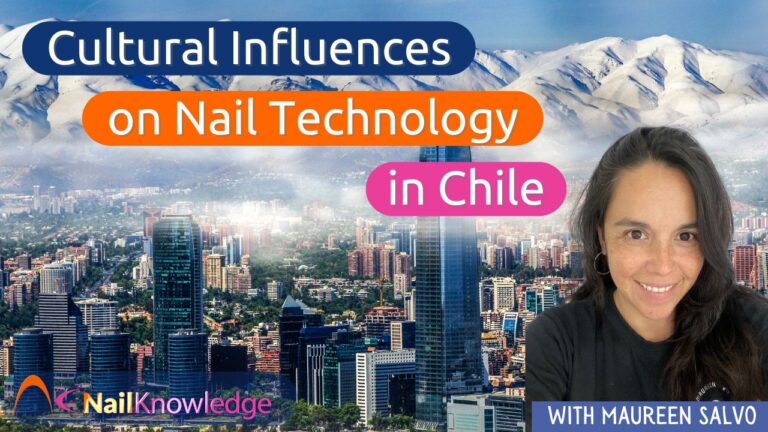
Ảnh hưởng của văn hóa đến công nghệ làm móng ở Chile

Nail care and decoration have played a significant role in human culture for centuries, serving as a reflection of social status, personal aesthetics, and cultural values. In Chile, the history of nail care is a captivating journey that intertwines indigenous traditions, colonial influences, and modern trends.

From the intricate grooming practices of the Mapuche people to the contemporary nail art seen in bustling salons across the country, the evolution of nails in Chile offers a unique lens through which we can explore the rich cultural tapestry of the nation. This blog explores the historical milestones of nail care in Chile, highlighting the transformations and continuities that have shaped the way Chileans view and adorn their nails today.

Spanish Colonization and Nail Care

The arrival of Spanish colonizers in the 16th century brought significant changes to many aspects of life in Chile, including nail care and grooming practices. The Spanish introduced European beauty standards and grooming techniques, which began to blend with the indigenous traditions already present.

During this period, nails were not only a matter of personal hygiene but also a reflection of social status and adherence to European customs. Spanish women brought with them more advanced grooming tools, such as metal nail scissors and files, which were a step up from the stone and wooden tools used by the indigenous population. These new tools allowed for more precise and refined nail care.

Mix of Cultures

As European and indigenous cultures interacted, a hybrid style of nail care began to emerge. Indigenous people adopted some of the Spanish tools and techniques, while Spanish settlers incorporated elements of local customs into their beauty routines. This combination created a unique fusion of self-care practices that would continue to evolve throughout the centuries.

For example, while Spanish women preferred well-manicured nails as a sign of elegance and sophistication, indigenous techniques of using dyes and natural materials for decoration persisted. This cultural exchange enriched practices and created a diverse approach to nail care.

Influence on Daily Life and Nails in Chile

The integration of European grooming habits into daily life in Chile marked a change in the way personal care was perceived. Nail care became more than just a functional routine; it was now part of a broader social fabric, reflecting the mixing of cultures and the adoption of new norms.

In addition to personal care, the influence of Spanish fashion trends began to be noticed. Women in colonial Chile paid more attention to their overall appearance, including their nails, which were often polished and painted with early forms of nail dyes brought from Europe. These practices were predominantly observed among the upper classes, as they had more access to the necessary tools and materials.

Conclusion of Colonial Influence

The colonial period in Chile marked a significant transformation in nail care practices, driven by the influence of European customs and interaction with indigenous traditions. This era set the stage for future developments in nail fashion and care techniques, laying the foundation for the modern practices we see today. As we continue to explore the history of nails in Chile, we will see how these early influences continued to shape and redefine nail care in the centuries that followed.

Modernization, Urbanization, and Nail Care in Chile

19th and Early 20th Centuries

When Chile entered the 19th century after independence from Spain, the country experienced significant modernization and urbanization with European immigration (Scotland, England, France, etc.). These changes brought with them a change in lifestyle and greater exposure to global trends. Urban centers became centers for fashion and personal care, including nail care.

With the rise of department stores and pharmacies, nail care products became more accessible to the general public. Items such as nail clippers, files, and cuticle removers were now available to a wider audience, promoting better hygiene and nail care. This period also saw the introduction of the first nail polishes and treatments, influenced by European and American beauty trends.

Xu hướng thời trang

During this time, nail fashion began to evolve. The influence of Hollywood and the global fashion industry brought new styles and colors to Chile. Women began to experiment with different nail shapes and lengths, often inspired by the glamorous styles seen in movies and magazines.

The 1920s and 1930s, in particular, were notable for the rise of the “moon manicure,” in which the base of the nail was left bare or painted in a contrasting color. This style, along with others, showed the growing importance of nails as a fashion statement.

Cultural Changes and Nail Care in Chile

Mid to Late 20th Century

The second half of the 20th century was a period of significant social and political changes in Chile. These changes were reflected in the beauty and fashion industries, including nail care. The influence of global movements, such as feminism and the counterculture of the 1960s and 1970s, led to more diverse and expressive nail styles.

The rise of nail salons in urban areas made professional nail care services more accessible. Women frequented these salons for manicures, pedicures, and nail art, which became increasingly popular. The introduction of acrylic nails in the 1980s offered new possibilities for nail length and design, further expanding the range of options available.

Popular Styles

Throughout the second half of the 20th century, nail trends continued to evolve. The bold colors and geometric patterns of the ’60s gave way to the natural, minimalist looks of the ’70s. The 1980s and ’90s saw a return to boldness, with bright colors, glitter, and intricate nail designs that became popular.

The media played an important role in shaping these trends. Television, magazines, and, later, the Internet provided endless inspiration for nail styles, allowing Chilean women to keep up with the latest fashions from around the world.

Contemporary Trends –  Innovations of the 21st Century

The turn of the century brought significant advances in nail care technology and products. Gel polish, nail extensions, and advanced nail art techniques became widely available, allowing for more complex and long-lasting designs.

Nail salons continued to thrive, offering a wide range of services to suit different preferences and budgets. Do-it-yourself nail care also gained popularity, and high-quality products and tools became more accessible for at-home use.

Global Influence on Nail Trends in Chile

Globalization has had a profound impact on contemporary nail trends in Chile. International beauty influencers, social media platforms, and global fashion shows have made it easier for Chileans to adopt and adapt trends from around the world. K-beauty (Korean beauty) trends, and Caribbean immigration trends, for example, have introduced innovative nail care products and unique nail art styles to Chile.

Environmental awareness has also influenced modern nail care. Eco-friendly and cruelty-free products are increasingly popular, reflecting a global shift toward sustainable beauty practices.

The Future of Nail Care in Chile

Emerging Trends

Looking ahead, the future of nail care in Chile is likely to be determined by technological advances and changing consumer preferences. Innovations like 3D printing for custom nail designs and smart nail technology (nails that can change color or display patterns) are on the horizon.

Sustainability will continue to be a major trend, with growing demand for eco-friendly products and practices. This change will likely influence the materials used in nail care products and the methods employed by nail technicians.

Cultural Integration

As Chile continues to embrace its rich cultural heritage while adapting to global trends, the nail care industry will reflect this combination. Traditional techniques and materials can be revived and incorporated into modern practices, offering a unique fusion of old and new.

The preservation of indigenous nail care traditions, combined with contemporary innovations, will create a diverse and dynamic landscape for nail care in Chile. This integration will ensure that the country remains a vibrant and influential player in the global beauty industry.

Conclusion – The Evolution and Future of Nail Care in Chile

The history of nail care in Chile is a fascinating journey through time, reflecting the country’s cultural evolution and global influences. From ancient indigenous practices to contemporary trends, nail care and decoration have always been a form of personal expression and cultural identity. As we look to the future, Chile’s nail care industry will continue to innovate and adapt, celebrating both tradition and modernity.

Thuộc chủ đề:Thông tin chung, Công nghệ làm móng

Kiểm soát bụi móng tay được tạo bởi E-Files

Problems may occur when nail technicians ignore excessive inhalation of dust (or vapors). Filing can create a lot of dust that ends up in the breathing zone of the salon worker.

Disposable dust masks can be used to minimize inhalation of dust, as can source capture ventilation. Dust masks should never be used in place of proper ventilation. Even so, when properly used, the correct mask can be an important way to prevent inhalation of excessive amounts of dust particles.  They are especially useful to those with pre-existing asthma, allergies, or other breathing related conditions.

Choosing the Best Dust Masks for Nail Salon Safety

The best dust masks are specifically designed to block dust. These are thicker than most masks and better able to block most of the fine particles that attempt to penetrate the mask. For any dust mask to work well it must fit well. Better quality dust masks will fit and seal more securely and comfortably and do a better job overall. Dispose of these masks regularly and follow the manufacturer’s directions for use.  Avoid using surgical/doctor-type masks since these will not provide enough protection and should not be used in the salon setting. Doctor-type masks may help prevent the spread of germs but are not suitable for salon work.   

Reducing Salon Dust with Electric File Nail Oils

I also recommend using electric file nail oil when filing to reduce the amount of dust in the air. These nail oils are especially designed to work with e-files and this is a highly effective way to significantly reduce the amount of fine dust in the salon air. The image shows how easily dust spreads to the breathing zone when electric file nail oils are not used.

Image 19 A:  A large volume of very small dusts particles are created by electric files.

Comparing Particle Size of Nail Dust: Hand Filing vs. E-Filing

Particle size of air contaminants in relation to dust

Image 18:  Particle size of several air contaminants in relation to dusts created by hand filing and electric files.

The chart indicates the typical particle size of nail dust when hand and e-filing are compared.  Note that e-files create much more of the smaller size dust particles as shown by the range of the hand file and e-file bars on the chart.  The larger particles created by hand filling, tend to clump together and quickly fall out of the air to cover the tabletop, and floor, as well as to collect in the hair or inside the collar.  They make a mess, but at least they aren’t in the air, so they can’t be breathed.

Risks of Small Dust Particles from E-Files in Nail Salons

Note that e-files create much more of the smallest dust particles, which are much lighter and can remain suspended in the salon air for hours.  These extra-small dusts created by e-filing are a greater inhalation risk, so they are more important to control and avoid. These smaller particles are easier to inhale and get pulled deeper into the lungs. Of course, the lungs are good at handling dusts and getting rid of them. They have to be, we live in a dusty world and this chart shows that many even smaller practices are often inhaled, but that’s not a reason to ignore this issue.

Managing Visible and Invisible Nail Dust

Whatever method you use to file, it is important to keep your work area clean and to remove all visible dust, but be aware of invisible dust. Those smaller than 10 microns will not be easily seen and will float around the salon so that everyone can breathe them. Luckily, these invisible dusts are easy to control by:

  • Good housekeeping practices to control dusts.
  • Use of appropriate ventilation, e.g. “source capture” systems that remove dust from the source, as they form.
  • Use of an electric file nail oil.
  • Proper use of a suitable dust mask.

Thuộc chủ đề:Thông tin chung, Dịch vụ làm móng

Sự thật về Acetone: Thiết yếu, Hiệu quả và Thường bị hiểu lầm

Acetone is a solvent. It is not an allergen as some think. The human body produces small amounts of acetone through metabolism. It is however an irritant which means it can dry skin faster than natural moisture can be produced. This can cause some symptoms that are often misdiagnosed as an allergy.

Loại bỏ hiệu quả lớp phủ gel UV và móng tay

Acetone is a crucial product in the nail industry as it is the most efficient remover for both UV gel products and liquid and powder nail coatings. It quickly breaks the bonds without melting them, altering the structure so it can be easily removed from the nails.

Một cách để hiểu cách thức hoạt động này là tưởng tượng một cuộn khăn giấy nhà bếp được đặt trong một xô nước. Nó sẽ trở nên nhão và mất đi cấu trúc, nhưng nó vẫn là giấy. Nếu nó khô đi, cấu trúc sẽ khác, ở chỗ nó không còn là những tờ giấy gọn gàng nữa, nhưng nó vẫn là giấy trong trạng thái hỗn loạn.

Acetone’s Role in Nail Product Removal

Mặc dù có thể làm khô da nhưng đây vẫn là lựa chọn hiệu quả nhất vì thời gian tiếp xúc với da được rút ngắn nhất có thể.

There are many ‘acetone free’ polish removers where acetone is replaced by ethyl acetate or butyl acetate. These will remove polish but are not so efficient so takes longer to do the job. This results in longer skin contact with an equally drying solvent.

Lời khuyên của tôi cho người tiêu dùng là sử dụng acetone để tẩy sơn vì nó nhanh hơn và tiếp xúc với da càng ngắn càng tốt. Các phương án thay thế cần chà xát nhiều hơn và tiếp xúc với da lâu hơn.

Tại sao chất lượng mỹ phẩm lại cần thiết cho việc chăm sóc móng tay

Nhưng chỉ mua acetone phù hợp để sử dụng trong mỹ phẩm. Acetone được bán trong các cửa hàng như DIY không có khả năng là không tinh khiết và có thể có các thành phần vi lượng không phù hợp để tiếp xúc với da và thậm chí có thể là chất gây dị ứng. Acetone nguyên chất từ các nhà cung cấp mỹ phẩm là tốt nhất để sử dụng trong các dịch vụ làm móng.

Don’t be scared of acetone, other than understanding the fact that it is very flammable and any flame near to it can cause a flashback. Acetone should be stored in the cool and dark as it is very volatile meaning it evaporates easily so keep all containers of acetone covered to stop evaporation as it does have a strong smell that many don’t like or believe to be harmful.

It is the most efficient for nail coating removal and is often an ingredient in cleansers. It is not so effective alone for cleansing and dehydrating the nail plate. A mix of a solvent and alcohol (such as isopropyl alcohol, IPA) is the most efficient for this job.

Kiểm tra khoa học về axeton

Acetone không làm hỏng, làm yếu hay thay đổi cấu trúc của móng tự nhiên.
Nó không làm biến tính keratin hay gây tổn thương vĩnh viễn.

Acetone tạm thời loại bỏ dầu và độ ẩm trên bề mặt móng, khiến móng có cảm giác khô. Đây chỉ là hiện tượng bề ngoài, không gây tổn thương cấu trúc, và hoàn toàn có thể khắc phục được bằng cách dưỡng ẩm đầy đủ và sử dụng dầu dưỡng móng thường xuyên.

Thuộc chủ đề:Thông tin chung, Sữa dưỡng, Thuốc và Chất đánh bóng, Hóa học sản phẩm

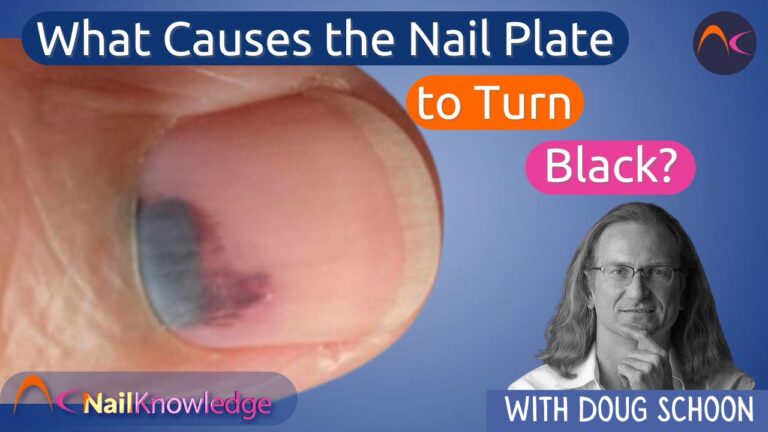
Nguyên nhân nào khiến móng tay chuyển sang màu đen hoặc sẫm màu?

Several things can cause the nail plate to turn black, or at least darkly colored. One of the most common causes of darkly colored nail plates is physical damage that leads to bruising of the nail bed.

Xuất huyết do mảnh dằm: Nguyên nhân và tác động

Hard bangs or knocks to the nail plate can lead to breaks in the tiny blood vessels in the nail bed, which can cause them to leak. These are called splinter hemorrhages and most often appear like tiny black lines running along with the direction of nail growth.

Xuất huyết do dằm thường xảy ra do chấn thương vật lý ở nền móng gây chảy máu bên dưới móng.
Xuất huyết do dằm ở dưới móng tay.

Khi tổn thương nghiêm trọng hơn, lượng máu lớn hơn sẽ tích tụ bên dưới móng. Một lượng tổn thương đáng kể có thể dẫn đến đen toàn bộ móng. Máu trên nền móng ban đầu có thể có màu đỏ, nhưng cuối cùng sẽ chuyển sang màu đen. Vết đen này có thể tồn tại trong nhiều tháng sau khi nền móng bị tổn thương lành lại.

Xuất huyết: Máu tích tụ bên dưới móng tay

Tác động của thuốc và bệnh tật lên sự đổi màu móng tay

Certain drugs can affect the matrix cells and this can lead to dark discolorations of the nail plate. For instance, drugs containing metallic silver can cause dark black stains, as well as a surgical scrub used in hospitals which contain the ingredient “chlorohexine”.

Móng tay bị nhuộm màu do thuốc có chứa bạc kim loại
Nhuộm màu từ thuốc có chứa bạc kim loại

Diseases of the nail or illness somewhere else in the body may also cause the nail matrix cells to produce darkly discolored nail plates. For example, diabetes can cause the nail plate to yellow and nail psoriasis often leads to nail plates that are pitted, more porous and pick up stains more easily.

Nail Psoriasis – Pitted Nail Plate

Sự đổi màu móng tay do bệnh mãn tính và các yếu tố khác

Chronic diseases such as kidney or liver problems can cause nails to blacken.  Tumors in the nail matrix or surrounding areas can also cause dark discolorations in the nail plate, which is something that nail technicians should watch for. However, it is fairly common and normal for people with very dark skin to develop black strips that run the length of the nail plate.  This can happen because excessive amounts of melanin in the skin can find its way into the nail plate.

Hồng móng
Hội chứng móng tay vàng

Sự đổi màu móng tay và khi nào cần tìm lời khuyên y tế

Khi điều này xảy ra trên móng tay của những người có tổ tiên là người Châu Phi hoặc Châu Á, điều này có thể là bình thường. Tuy nhiên, khi điều này xảy ra trên các phiến móng tay của những người có làn da sáng màu như người da trắng, trong những trường hợp hiếm hoi, đây có thể là dấu hiệu của vấn đề tiềm ẩn. Các phiến móng tay như vậy nên được bác sĩ chuyên khoa kiểm tra để xác định nguyên nhân, có thể là một trong nhiều rối loạn. 

Cuối cùng, sự thay đổi màu sắc này có thể chỉ ra tình trạng nhiễm trùng móng, vì vậy trong mọi trường hợp, loại thay đổi này nên được quan tâm. Tôi khuyên bạn nên tránh điều trị móng này cho đến khi có thể được chuyên gia y tế kiểm tra để xác định xem có bị nhiễm trùng hay không.

Thuộc chủ đề:Thông tin chung, Tình trạng móng tay

Làm rõ tin đồn về ảo giác Monome

The rumour circulating on Social Media platforms about monomers in acrylic nail systems causing hallucinations is alarming and warrants a clear, evidence-based response.

Understanding Monomers in Acrylic Systems

Monomers are chemical compounds that are used in acrylic nail systems to create a durable and long-lasting finish. The most common monomer used is ethyl methacrylate (EMA), while some older or lower-quality products might use methyl methacrylate (MMA), which is less commonly used today due to its potential health risks.

Health Risks of Monomers

Exposure Risks: Prolonged or excessive exposure to monomers, particularly through inhalation of fumes, can cause various health issues, such as:

  • Skin irritation or sensitisation
  • Respiratory issues, including irritation of the nose and throat
  • Eye irritation

Symptoms of Overexposure: Overexposure to monomer fumes may cause symptoms like dizziness, headaches, and nausea. These symptoms are usually a result of inhaling the volatile organic compounds (VOCs) present in the monomer.

Addressing the Hallucination Claim

Scientific Evidence: There is currently no scientific evidence to support the claim that monomers used in acrylic nail systems cause hallucinations. Hallucinations are typically associated with severe neurological disturbances or the ingestion of certain psychoactive substances, not with the inhalation of acrylic monomer fumes.

Possible Explanations: The rumour may stem from misunderstandings or exaggerations of the effects of overexposure to monomer fumes. While overexposure can cause discomfort and health issues, it is not known to cause hallucinations.

Clarifying the Confusion: Acrylamide vs. Monomers in Nail Products

We believe that the recent confusion surrounding hallucinations caused by nail monomers likely stems from a misunderstanding related to acrylamide. Acrylamide is a chemical known to cause hallucinations but is not present in nail monomers. Nail monomers, primarily composed of ethyl methacrylate (EMA) and sometimes methyl methacrylate (MMA), do not include acrylamide. Acrylamide is used in different industrial applications, such as the production of polyacrylamide and other polymers, not in nail monomer formulations.

Nail professionals should ensure the products they use are specifically designed for nail applications and avoid unsafe ingredients like MMA, especially those found in unregulated markets. While MMA has significant health risks, including skin sensitivity and respiratory irritation, there is no evidence to suggest it causes hallucinations. The primary concerns with MMA involve physical reactions, not neurological effects.

Best Practices for Safe Use

  1. Ventilation: Ensure that the workspace is well-ventilated to minimize inhalation of fumes. The use of local exhaust ventilation systems or working near open windows can help.
  2. Protective Equipment: Wear appropriate protective equipment, such as masks and gloves, to reduce direct exposure to monomers.
  3. Quality Products: Use high-quality products that comply with safety standards to minimize health risks.
  4. Training: Proper training on the safe handling and application of acrylic products can significantly reduce the risk of overexposure.

Phần kết luận

While rumours can spread quickly on social media platforms like TikTok, it is essential to rely on scientific evidence and expert advice. Currently, there is no scientific basis for the claim that monomers in acrylic nail systems cause hallucinations. Ensuring safe practices and using high-quality products can help mitigate the known health risks associated with monomers.

If you have any questions or concerns, please feel free to reach out to Kiến thức về móng tay.

Thuộc chủ đề:Thông tin chung, Phá vỡ huyền thoại

Trường hợp kỳ lạ của móng tay út dài

Have you ever seen someone with an unusually long pinky nail and wondered why? This seemingly odd choice actually carries a variety of meanings and uses across different cultures and contexts. Let’s explore the fascinating reasons behind this intriguing practice.

Ý nghĩa lịch sử và biểu tượng của sự giàu có

Theo truyền thống, móng tay dài, đặc biệt là móng tay út, là biểu tượng của sự giàu có và địa vị. Trung Quốc cổ đại, both men and women of the upper classes would grow their nails long to demonstrate that they didn’t engage in manual labour. This tradition indicated a life of luxury and ease, free from the physical demands that would break long nails. Even today, in some parts of the world, a long nail on the pinky finger can still symbolise prosperity.

May mắn và móng tay út trong văn hóa Châu Á

Trong một số nền văn hóa châu Á, người ta tin rằng nó thu hút may mắn. Người dân ở những vùng này thường để móng tay út dài ra ngoài khớp gần đầu ngón tay, nghĩ rằng điều đó sẽ mang lại may mắn và năng lượng tích cực.

Công dụng thực tế của móng tay út

While some grow their pinky nails for symbolic reasons, others find practical uses for them. A long nail on the pinky finger can serve as a handy tool for various tasks such as tightening screws, peeling labels, or even cutting soft items like fruits or plants. However, it’s worth noting that using your nails as tools can lead to damage or breakage, and experts recommend avoiding this to maintain nail health.

Hỗ trợ cho nghệ sĩ

Trong thế giới nghệ thuật, một móng tay út dài có thể là một công cụ hữu ích. Một số nghệ sĩ nuôi móng tay út để giúp giữ tay ổn định khi làm việc trên các chi tiết phức tạp. Bằng cách đặt móng tay trên vải, họ có thể tránh làm nhòe tác phẩm của mình bằng tay. Kỹ thuật này, mặc dù ít phổ biến hơn, cho thấy khía cạnh thực tế của phương pháp này.

Tiện ích âm nhạc

Các nhạc sĩ, đặc biệt là những người chơi guitar flamenco, đôi khi để móng tay út dài ra để hỗ trợ cho việc chơi đàn. Kỹ thuật được gọi là rasgueado bao gồm việc gảy đàn nhanh bằng nhiều ngón tay. Móng tay út dài hơn giúp cân bằng bàn tay và tăng cường âm thanh, mang lại trải nghiệm âm nhạc phong phú hơn.

Nâng cao nhận thức với móng tay út

Thật thú vị, một móng tay út dài cũng có thể đóng vai trò là biểu tượng cho các mục đích xã hội. Các chiến dịch như Polished Man yêu cầu những người tham gia sơn một móng tay, thường là móng tay út, để nâng cao nhận thức và gây quỹ chống lại bạo lực đối với phụ nữ và trẻ em. Hành động đơn giản này có thể khơi dậy các cuộc trò chuyện và thúc đẩy sự thay đổi xã hội đáng kể.

Những sử dụng giai thoại và quan niệm sai lầm

Some individuals use their long pinky nails for personal grooming tasks like cleaning their ears or noses, though this practice is not recommended by health professionals due to the risk of injury or infection. Additionally, there’s a common misconception in certain circles that a long pinky nail is linked to drug use, particularly as a “coke nail” or “cocaine fingernail.” While this association exists, it does not represent the majority of those who choose to grow their nails long.

In conclusion, the long pinky nail is more than just an unusual fashion statement. Its roots are deeply embedded in history, culture, and practical utility. Whether it’s for attracting good luck, aiding in artistic endeavours, or symbolising a social cause, the long pinky nail carries a rich tapestry of meanings that continues to evolve.

Thuộc chủ đề:Thông tin chung, Công nghệ làm móng

  • « Chuyển đến Trang trước
  • Trang 1
  • Các trang tạm thời đã được bỏ qua …
  • Trang 3
  • Trang 4
  • Trang 5
  • Trang 6
  • Trang 7
  • Các trang tạm thời đã được bỏ qua …
  • Trang 30
  • Chuyển đến Trang sau »

Nâng cao kiến thức về làm móng

Tham gia bản tin của chúng tôi!
ĐĂNG KÝ...

Bản quyền © NailKnowledge

Kiến thức về móng tay

  • Sách điện tử
  • Về chúng tôi
  • Các khóa học
  • Tin tức
  • Blog
  • Bản tin
  • Thuật ngữ

Chính sách

  • Trang riêng tư
  • Điều khoản và điều kiện
  • Chính sách Cookie

Ủng hộ

  • Liên hệ với chúng tôi
  • Hỏi các chuyên gia
  • Hỗ trợ hệ thống
  • Câu hỏi thường gặp
Vietnamese
Vietnamese
English Portuguese Spanish