Essential Hygiene Practices
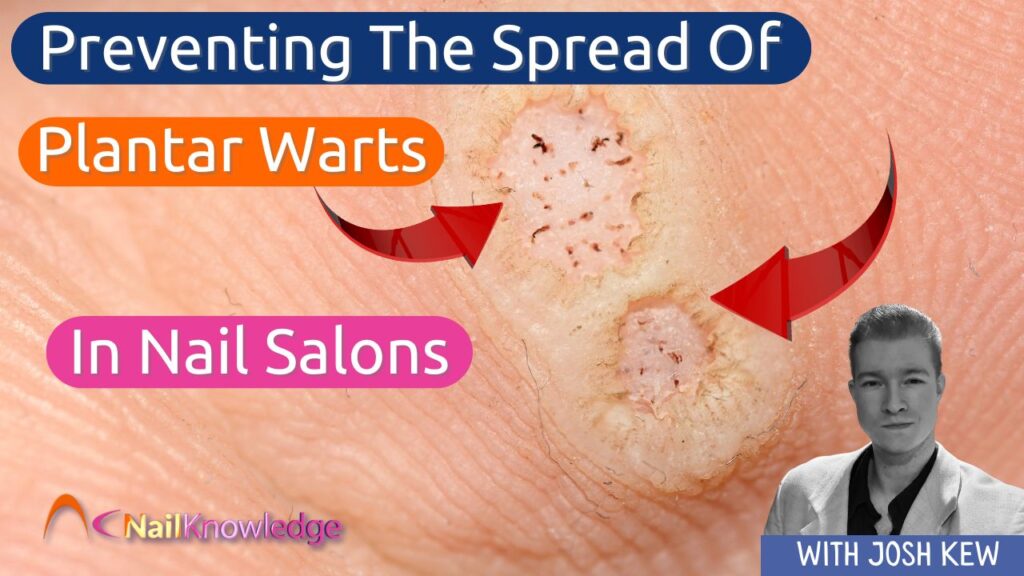
Plantar Warts, caused by the human papillomavirus (HPV), are a common yet preventable issue in nail salons. The virus thrives in warm, moist environments and can spread through direct skin contact or contaminated surfaces. As professional nail technicians, maintaining a hygienic workspace is crucial to preventing warts transmission and protecting clients and staff.

Preventing Plantar Warts in Nail Salons through Sterilisation
Use Medical-Grade Sterilisation
Any reusable tools, such as nail clippers, cuticle pushers, and metal files, must undergo proper sterilisation after every use. The most effective method is an autoclave, which uses high-pressure steam to kill bacteria, viruses, and fungi, ensuring complete disinfection.
Avoid Using Tools That Cannot Be Sterilised
To minimise infection risk, avoid using tools that cannot be properly sterilised between clients. Opt for single-use disposable tools whenever possible, as they reduce the chances of cross-contamination.
Use of UV Sterilisers
While UV light sterilisers can be a helpful supplementary measure, they should not replace autoclaving or proper disinfection procedures.
Proper Use of Disposable Items
Single-Use Implements
Items such as emery boards, toe separators, and pumice stones should be discarded after a single use. These porous materials can harbor HPV and other pathogens, making them unsuitable for reuse.
Disposable Gloves
Nail technicians should wear gloves during services, especially when working on a client’s feet. Gloves should be changed between clients to prevent cross-contamination.
Fresh Towels and Liners
- Use freshly laundered or disposable towels for each client.
- If providing pedicure services, footbaths should have single-use liners that are discarded after each use.
Avoiding Contact with Infected Areas, Including Plantar Warts
Screen Clients Before Treatment
A quick visual check of the hands and feet before beginning any service can help identify possible infections. If plantar warts or other skin conditions are present in nail salons, technicians should take necessary precautions
Refuse Treatment When Necessary
If a client has open wounds, plantar warts, or active infections, they should be advised to seek medical attention before proceeding with nail services. Continuing treatment over an affected area can not only spread the infection but also put other clients at risk.
Educate Clients
Salons can play a role in client education by providing information on foot and hand hygiene to minimise the risk of infection. Advising clients to avoid walking barefoot in public areas and maintain healthy skin can help prevent wart formation.
Maintaining a Clean Salon Environment
Regular Disinfection of Surfaces
High-touch surfaces such as workstations, manicure tables, and chairs should be disinfected several times a day with an EPA-approved disinfectant to prevent contamination.
Use of Medical-Grade Wipes
Clinell wipes and other medical disinfectant wipes are excellent for quick and effective surface cleaning. These wipes are pre-saturated with antimicrobial solutions, making them ideal for wiping down workstations, tools, and high-touch areas between clients. Using Clinell Universal Wipes or similar medical wipes ensures broad-spectrum disinfection, reducing the risk of virus transmission.
Ensure Proper Ventilation
A well-ventilated salon reduces the risk of airborne viral transmission and improves overall hygiene.
Ongoing Staff Training
Educating staff on infection control protocols ensures consistency in hygiene practices. Regular refresher training should be conducted to reinforce these standards.
By adhering to these best practices, nail salons can significantly reduce the risk of wart transmission and provide a safe, clean environment for clients. Implementing strict sterilisation procedures, using disposable tools properly, avoiding direct contact with infected areas, and maintaining a hygienic workspace are essential steps in protecting the health and well-being of both clients and technicians.