In the UK we have no real regulations that define our industry sector. But, we do have a number of regulations that we need to adhere to!
E.g.
- Health & Safety
- Cosmetic regulations
- More recently and temporary, COVID 19 regulations.
We do not have National licensing nor qualifications regulations. We do, however, have some local licensing regulations. The best example of this is in London where those working in a nail salon (or a salon that provides Nail Services) require every nail professional to have an NVQ.
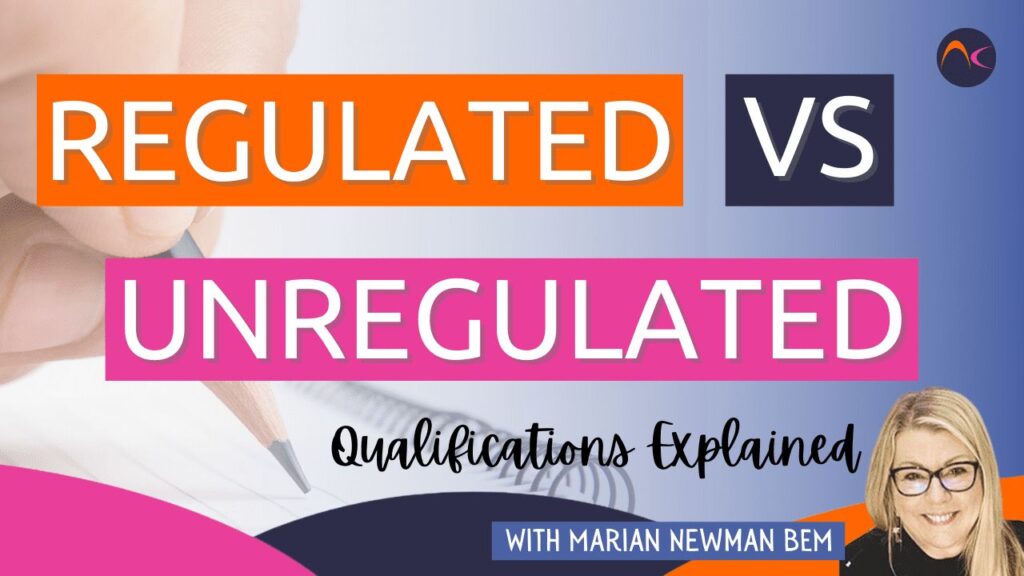
Regulated versus unregulated qualifications has long been very confusing. Let me explain.
Regulated qualifications
Every version of these is based on the National Occupational Standards (NOS found HERE.)
What does this mean?
The NOS are created by Habia (The Hairdressing and Beauty Industry Authority). Habia are recognised by Government as the Standards Setting Body (SSB) NOS that specify UK Standards of performance that people are expected to achieve in their work, and the knowledge and skills they need to perform effectively.
These are delivered and assessed by Awarding Bodies. There are over 160 of these that can be searched on: https://register.ofqual.gov.uk/.
The Government ensure they provide ‘quality assured’ qualifications
What does OFQUAL mean?
This is The Office of Examinations and Regulations. They maintain standards in:
- GCSEs
- A levels
- AS levels
- Vocational and technical qualifications
They are independent of government and report directly to Parliament. This means that there is a standardised ‘Quality Assurance’ that requires external checking that teaching, assessments and Awards meet with a certain level of quality based on the NOS.


What does this mean for nail professionals?
It means that there is a minimum standard that needs to be provided through teaching that is answerable to external checks and quality assurance.
Regulated Qualifications are typically NVQ’s, VRQ’s, Apprenticeships, Awarding Body Certificates & Diplomas, and soon to be introduced ‘T’ Levels (which concentrate more on theory and understanding).
Unregulated Qualifications
Some years ago, associations and other organisations created an alternative to ‘regulated qualifications’. It did ‘bridge the gap’ between regulated courses (that involved a lot of bureaucracy and paperwork) and ‘short courses’ provided by brands or private individuals. At the beginning it did address a need within the industry as ‘short courses’ had evolved and proved popular. Many of them came from countries, such as the US, where they were ‘postgraduate’ following gaining a license to work. But they did not address beginner education.
The concept was good, but the explosion of the interest was not!! Many very good educators and training providers believed that the only way to gain confidence with their potential students was to buy into these ‘accredited’ courses.
Gaining ‘accreditation’ was, originally, based on the NOS but without the ‘paperwork’. Gaining ‘accreditation’ was an expensive project but it achieved a ‘badge’ and could access insurance as the organisations became insurance brokers. The ‘badge’ gave new learners the confidence to take the vast variety of courses.
But, as time has gone on, the ‘badge’ and access to insurance has turned into a big money exercise for many organisations.
For the ‘accredited’ courses there is NO quality assurance; they are not answerable to anyone; a one day course teaching three systems to complete beginners has the same ‘badge’ as a multiple week/month course! How can any student tell the difference?
This is where potential students need to do their research (if they care enough!) There are some fabulous teachers and courses available via the ‘accreditation’ route but how do you know?
If we had a level playing field and good quality assurance, it would be great. But we don’t! Recent exposes on just how dreadful education can be is bringing it to the attention of the media. If we don’t stop this ‘race to the bottom’ we will all suffer. There is a middle ground to be found. Regulated courses are far from perfect. But unregulated courses are destroying the beauty sector.
This is just a brief commentary on the situation. It is far more complicated than this, but the industry has allowed it to happen. Those teachers who deliver the short courses that are ‘not fit for purpose’ should be ashamed. Where are their professional ethics?