• Skip to primary navigation
  • Skip to main content
  • Skip to footer
NailKnowledge

NailKnowledge

  • Courses
  • MyNailEra
  • Free eBooks
  • Knowledge Base
    • Knowledge Base
    • Ask the Experts
    • Glossary
  • News
  • Blog
  • Login

Nail Art

The Risks of Service Breakdown when Mixing Nail Art

As nail artists, our creativity knows no bounds. We are always striving to offer our clients unique and stunning nail art designs and pushing our skills to the next level.

However, in pursuit of the perfect design, it’s essential to understand the potential risks associated with mixing nail art products from different brands. While it may seem tempting to combine different products, finishes, and textures, doing so without caution can lead to adverse consequences.

In this blog, we’ll have a look into the dangers of possible service breakdown when doing nail art to help you ensure the safety and longevity of your clients’ manicures.

Risks of Incompatibility: Mixing Nail Art Formulas from Different Brands

One brand offers a product your regular brand doesn’t have – so why not mix them??

One of the major dangers of mixing nail art products from different brands is the potential incompatibility of their formulas.

Each brand formulates its products differently, using different ingredients and slightly different chemical compositions. Mixing them can trigger chemical reactions between the ingredients, causing changes in colour, texture, and consistency, leading to unpredictable outcomes for the manicure.

UV/LED Lamp Compatibility

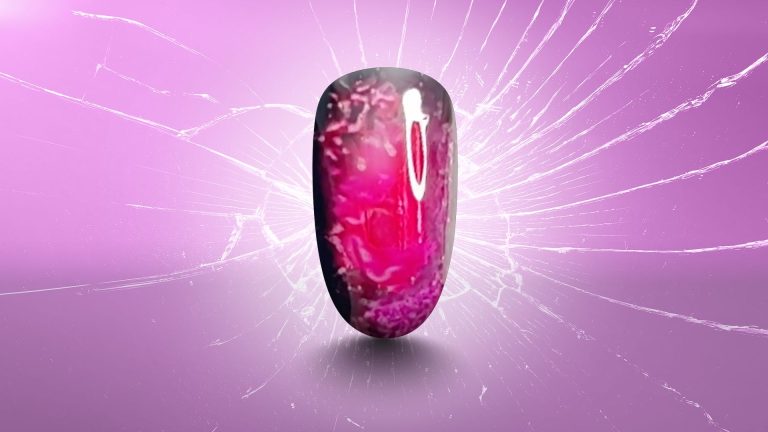
Different gel products from different brands will require specific exposure to UV waves, and these will vary in intensity, time, and length, to guarantee proper curing. Mixing brands can therefore result in inadequate cure, leading to not only service breakdown, but also increasing massively the risk of allergic reactions.

Changing Chemical Composition

Adding pigments, powder and foils to acrylic or gel products could alter their ability to polymerise properly, causing issues in the long run as that will be compromising proper cure. It’s best not to play chemist and stick to being a nail professional. You can premix glitter or pigment into a clear UV gel polish or acrylic powder, but make sure there is no more than 30% which is the usual recommendation for achieving a proper cure of the coating.

Only use cosmetic grade glitters and pigments, and NOT craft versions. These can react with the product or the solvents and create an irritation or an allergic reaction.

Possible Adverse Reactions During Removal

Remember those incompatible ingredients we talked about before? They lasted well after being applied to the nail, but during the soak off process adding acetone, it can become a different story!

Once diluted in a powerful solvent, we have no control over the chemical reaction that could occur. Stick to cosmetic grade glitters, pigments, foils etc. that were meant to be used together. Safe & proper removal of product is as important as the application, mistakes or damage caused here will influence the durability of the next new set, you may not notice it now, but in a week or 2 there could be real problems.

Conclusion

As tempting as it might be to purchase new products from different brands to test out designs, the dangers of mixing nail art products from different brands cannot be ignored. The risks of incompatibility, chemical reactions, inconsistent curing times, service breakdown, and challenges in removal can lead to subpar manicures, disappointed clients, or even a potential hazard.

To ensure the safety and longevity of your services, it’s best to leave all the guesswork aside, and stick to manufacture’s guidance, without trying to play chemist. Stick to one reputable brand for your nail art creations, only add in cosmetic grade nail art products in the recommended amounts and cure according to the manufacturers recommendation.

By prioritising quality and safety, you can deliver exceptional nail artistry that keeps your clients coming back for more.

Filed Under: Nail Art, Nail Services

The Best Nail Shape for your Hands

As a nail professional, I see many clients complaining that they wish their fingers were longer, or their nail beds (the area the nail plate sits on) were different. Even though we can’t change the shape of either of them (you are born with a certain shape of nail bed), there are clever ways in tricking the eye to make them look longer, narrower or anything else you want, by changing the shape of the free edge.

The Different Shapes and how they Alter the Nail’s Appearance

Choosing your nail shape depends on your personal preference, the natural shape of your nail beds and your lifestyle. Here are some popular nail shapes and their characteristics to help you choose which one is best for you.

Oval Shaped Nails

Oval Nails
Photo by Chantelle Ayres on @nails.bellavita

Oval-shaped nails are considered classic and feminine, being similar to an almond but a bit more blunt. They have softly rounded edges that follow the natural shape of the fingertip, helping elongate nails in both width and length.

Square Shaped Nails

Square Nails
Photo by Chantelle Ayres on @nails.bellavita

Square-shaped nails have straight, flat edges and sharp corners. They provide a clean and modern appearance. Square nails can make your fingers appear wider and are well-suited for those with longer and narrower nail beds, and especially if you like shorter nails.

Round Shaped Nails

Round Nails
Photo by Chantelle Ayres on @nails.bellavita

Round nails have curved edges that mimic the shape of the fingertip. Round nails offer durability as they do not have sharp corners that are prone to breakage, and it elongates your fingers and makes them look slender. Round nails also make wide nail beds appear thinner. 

Almond Shaped Nails

Almond nail shapes
Photo by Chantelle Ayres on @nails.bellavita

Almond-shaped nails are tapered with a rounded point at the tip, resembling the shape of an almond. They can make the fingers appear longer and slimmer. Almond nails are elegant and versatile, suitable for both short and long nail lengths.

Coffin/Ballerina Shaped Nails

Ballerina Coffin Nails
Photo by Chantelle Ayres on @nails.bellavita

Coffin or ballerina-shaped nails have a squared-off tip and tapered sides, resembling the shape of a coffin or a ballerina’s pointe shoe. This shape offers a trendy and edgy look, especially when paired with longer lengths. It requires a lot of upkeep, so like the stiletto, you must commit to regular salon visits.

Stiletto Shaped Nails

Stilleto Nails
Photo by Chantelle Ayres on @nails.bellavita

Stiletto nails are long and pointed, similar to the shape of a stiletto heel. They create a bold and dramatic appearance. Stiletto nails require longer lengths and maintenance due to their pointed shape, but are incredible to elongate fingers!

Squoval Shaped Nails

Squoval Nails
Photo by Chantelle Ayres on @nails.bellavita

Squoval nails are the chameleon of nail shapes, these nails look good on everyone! Part oval and part square, it’s a very easy to maintain style, especially on short nails.

Choosing the Right Nail Shape

When choosing a nail shape, take into consideration the facts above about your hand size and nail bed shape.

More importantly, your lifestyle, and personal style preference, it’s also vital when choosing. Is your job really hands on? Maybe it’s best to choose a style without many sharp corners, as these can get caught, bump into things and become blunt, which will change the shape.

How much time do you have to spend in the salon? Some shapes require more maintenance than other, as seen above.

Experimenting with different nail shapes can help you discover the one that suits you best.

Additionally, consult with a professional nail technician who can provide guidance based on your specific hand and nail characteristics.

Filed Under: General Information, Nail Art, Nail Services

  • « Go to Previous Page
  • Page 1
  • Page 2

Level Up Your Nail Insights

Join our Newsletter!
SUBSCRIBE...

Copyright © NailKnowledge

NailKnowledge

  • MyNailEra
  • eBooks
  • About us
  • Courses
  • News
  • Blog
  • Newsletter
  • Glossary

Policies

  • Privacy Page
  • Terms & Conditions
  • Cookie Policy

Support

  • Contact Us
  • Meet the Experts
  • Ask the Experts
  • System Support
  • FAQs
English
English
Portuguese Spanish Vietnamese