Dominant Hand Nail Growth: What the Research Actually Says
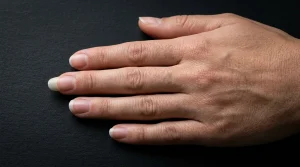
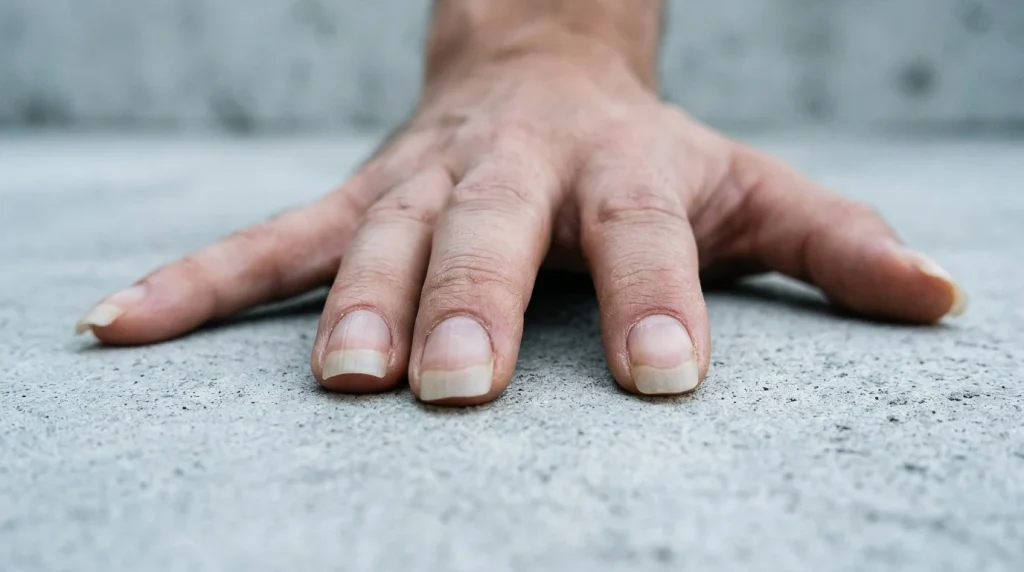
You have probably noticed it at some point. Your dominant hand seems to need filing sooner, your polish chips there first, and the nails just look longer faster. Dominant hand nail growth is a real, documented phenomenon, not just a beauty myth. The science does support it, though the full picture is more nuanced than a simple yes or no.
One of the earliest and most cited studies on this came from dermatologist William Bean, who spent decades measuring his own nail growth in meticulous detail. His findings pointed to differences between hands and even between individual fingers. More recent research has built on this foundation, and the general scientific consensus is that fingernails on the dominant hand do tend to grow slightly faster. The difference is modest, typically a fraction of a millimetre per week.
That said, this is not a universal rule. Individual variation is significant. Some people notice no difference at all between their hands. Nail growth rate is shaped by a whole constellation of factors, including age, nutrition, hormones, season, and overall health. So while the dominant hand pattern is a real and documented tendency, it is a tendency, not a guarantee.
💡 Key Takeaway
Dominant hand nail growth is a documented tendency, with increased blood circulation and mechanical activity among the most widely cited contributing factors, though the full mechanism is not yet conclusively established. The difference between hands is modest and not universal, but understanding the biology helps you set realistic expectations and read what your nails are genuinely telling you.

The Role of Blood Circulation in Dominant Hand Nail Growth
So why would the dominant hand grow nails faster at all? The most widely accepted explanation centres on blood circulation. Your dominant hand is more active. You use it more, move it more, and put it through more physical work throughout the day. That increased activity drives better local blood flow to the fingertips.
Blood carries the nutrients and oxygen that the nail matrix needs to produce new nail cells. Better circulation means a more consistent supply of those building blocks. Think of it like watering two plants, one more regularly than the other. Over time, the difference shows.
There is also a mechanical stimulation element. Gentle, repeated pressure on the fingertips, from typing, gripping, or even tapping, may provide a mild stimulus to the tissue beneath the nail. Researchers sometimes call this the percussion effect. While the evidence is not yet conclusive, it is a plausible contributing factor that scientists continue to investigate. A review published in the Journal of the European Academy of Dermatology and Venereology outlines how blood flow and mechanical factors both play a role in fingernail growth rates.
Why Some Fingers Grow Faster Than Others
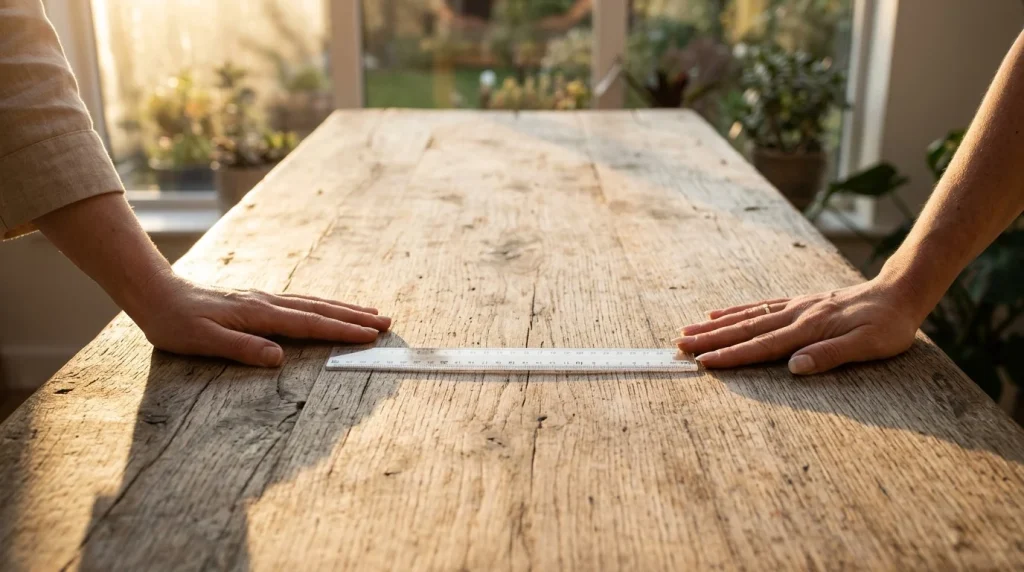
Here is where it gets even more interesting. It is not just about dominant versus non-dominant. Within a single hand, growth rates vary between fingers too.
The middle finger and thumbnail tend to grow faster than the little finger on the same hand in many people, though individual variation means this pattern is not universal. The leading explanation again comes back to circulation and use. The middle finger is typically the longest digit and sees a great deal of mechanical activity. The thumbnail benefits from its broader nail bed and the fact that the thumb is the most heavily used digit overall. The little finger, meanwhile, is smaller, sees less direct pressure, and has a comparatively modest blood supply to the fingertip.
For a deeper look at how these individual differences play out across all ten fingers, the article on how growth rates differ between fingers explores the science in more detail.
The Nail Matrix: Where Growth Actually Begins
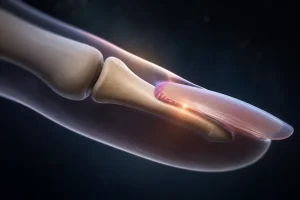
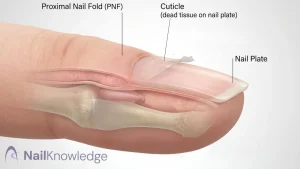
Understanding any of this requires knowing where nail growth actually comes from. The nail matrix is the tissue hidden just beneath the base of your nail, sitting under the proximal nail fold. It is a specialised structure that continuously produces new nail cells called onychocytes. These cells are pushed forward as new ones form behind them, which is what creates the visible nail plate.
The nail matrix is also why nail health is so closely tied to overall health. If the matrix is disrupted, whether through injury, illness, or nutritional deficiency, the quality and rate of nail growth can change noticeably. Ridges, pitting, and changes in thickness can sometimes be associated with disruption at the matrix weeks or even months earlier, though other factors may also contribute.
Because nails grow slowly, roughly 3-4 mm per month on average for fingernails, the matrix is essentially writing a diary of your body’s recent history.
If you are curious about what can go wrong at this level, the piece on what happens when the nail matrix is damaged explains the consequences clearly.
Established Facts Versus Ongoing Theories
It is worth being clear about what is confirmed science and what remains theoretical. The dominant hand nail growth difference is well documented in multiple studies. The circulation explanation is strongly supported. The mechanical stimulation theory is plausible but not yet proven beyond doubt. Individual variation is real and significant.
What we should not do is overstate the conclusions. Nail growth science is genuinely fascinating, but it is also an area where myths thrive. The idea that calcium directly determines nail strength, for instance, is largely a myth. Similarly, the notion that nails continue to grow after death is a misconception rooted in a misunderstanding of what happens to skin tissue.
Staying grounded in what the evidence actually says matters.
Why This Matters for Realistic Nail Expectations
For anyone who wants to understand their nails better, this knowledge is genuinely practical. If you notice your dominant hand needs more frequent maintenance, that is biology, not a product failure or a technique issue. If one finger seems to grow noticeably faster or slower than the others, that is within the range of normal variation.
Understanding nail growth rate also helps frame questions about how long results will last, how quickly a damaged nail will grow out, and why nails might behave differently in summer compared to winter. Blood circulation is more efficient when the body is warm, which is one reason nails tend to grow slightly faster in warmer months. That seasonal pattern connects directly back to the same circulatory principles at play with dominant hand nail growth. You can read more about how temperature and season affect nail health in this piece on what hot weather does to your nails.
Realistic expectations are one of the most underrated parts of good nail care. When you understand the biology, you stop chasing perfection and start working with what your body is actually doing.
Nail growth science sits at the intersection of anatomy, physiology, and daily habit. There is still genuine research happening in this space, and what we already know is enough to shift how you think about your nails entirely.
The more you understand about nail biology, the more you can read what your nails are telling you. Knowing the science is one thing. Knowing how to apply it confidently, and build on it, takes a bit of structured guidance.
If you want to go deeper, the MyNailEra app is a great place to start. It brings together verified learning content built on an expert-reviewed library, covering nail anatomy, biology, and technique. Era, your personal nail coach, guides you through it at your own pace, so you can explore the science and actually put it to use.