💡 Key Takeaway
What most people call their cuticle is actually living tissue that protects the nail matrix from infection and damage. The cuticle cutting debate comes down to one important distinction: softening and gently pushing back the proximal nail fold is safe and effective, while regularly cutting into it can cause chronic inflammation, infection risk, and long-term changes to nail growth.


What You’re Actually Looking At (And Why It Matters)
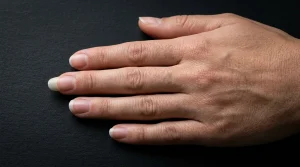
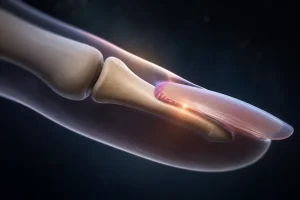
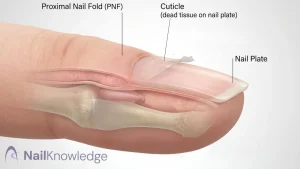
Let’s get something straight. The thin, slightly translucent film that creeps down onto your nail plate? That’s the true cuticle, sometimes called the eponychium seal. It’s dead tissue, produced by the living skin behind it, and its entire job is to seal the gap between your skin and your nail plate.
The living skin fold sitting just behind it is called the proximal nail fold. This is the part that bleeds when you cut too deep. This is the part that swells, reddens, and occasionally becomes infected after an overly enthusiastic manicure session.
Confusing the two is remarkably easy, and remarkably common. The team at NailKnowledge have written about this mix-up in detail, and if you want the full breakdown, the truth about what you’re actually cutting is genuinely eye-opening reading.
Why the Debate Has Exploded Right Now
Social media has a lot to answer for here. The rise of nail content on TikTok and Instagram means that millions of people are watching cuticle routines, close-up tutorials, and satisfying transformation videos every single day. Cuticle nipping has become oddly compelling to watch.
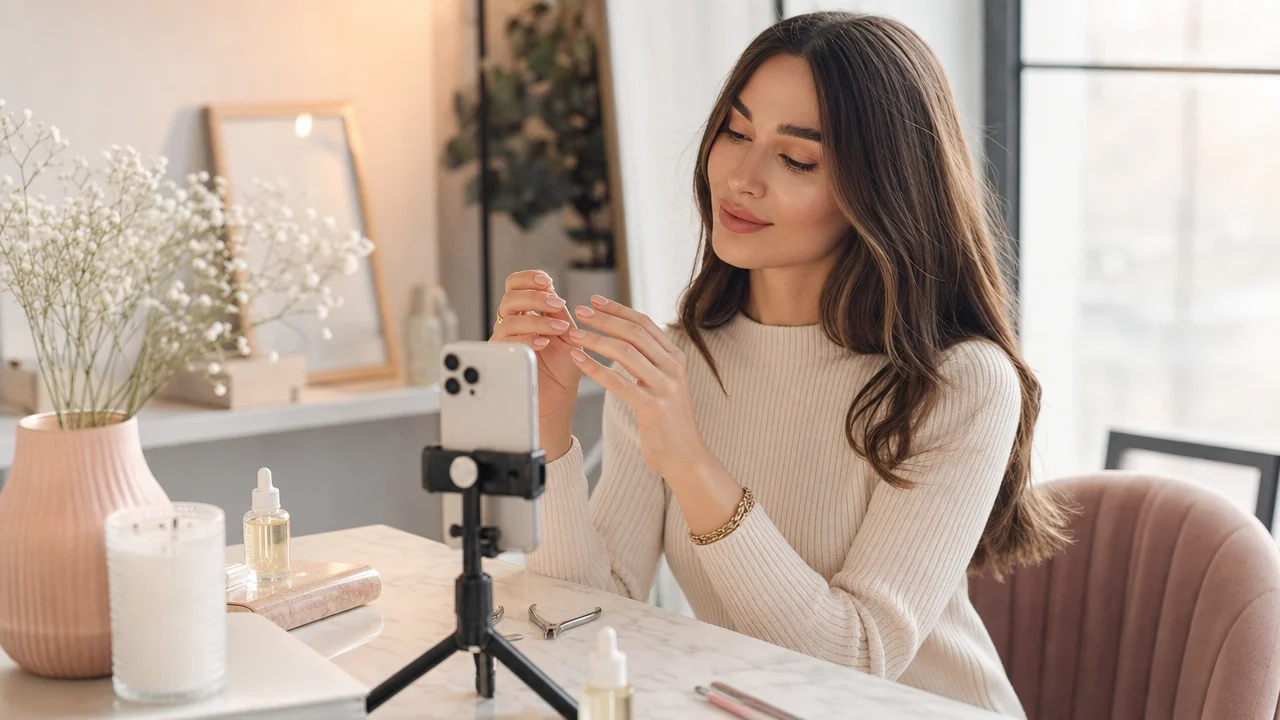
But alongside those aesthetically pleasing clips, a counter-wave has arrived. Nail educators and beauty professionals are pushing back, pointing out that what looks like a tidy tidy-up on camera can actually be damaging living tissue in practice.
Dermatologists have joined the conversation too. The proximal nail fold isn’t just skin. It’s a protective barrier against bacteria, moisture, and environmental irritants. Once that barrier is compromised, the nail matrix underneath becomes vulnerable.
And the nail matrix is where your nail actually grows from. Damage there, and you’re not just dealing with a minor irritation. You could be looking at permanent changes to nail growth.
The Celebrity Influence
There’s also a celebrity dimension to this. The ultra-clean, razor-sharp manicures favoured by stars like Hailey Bieber and Dua Lipa have made perfectly groomed nail beds feel aspirational. Everyone wants that look. The question is how far to push the grooming to get it.
What those manicures actually involve, behind the scenes, is usually meticulous softening and gentle pushing back, not aggressive cutting. The aesthetic is the same. The method is considerably safer.
The Case For Leaving Well Alone
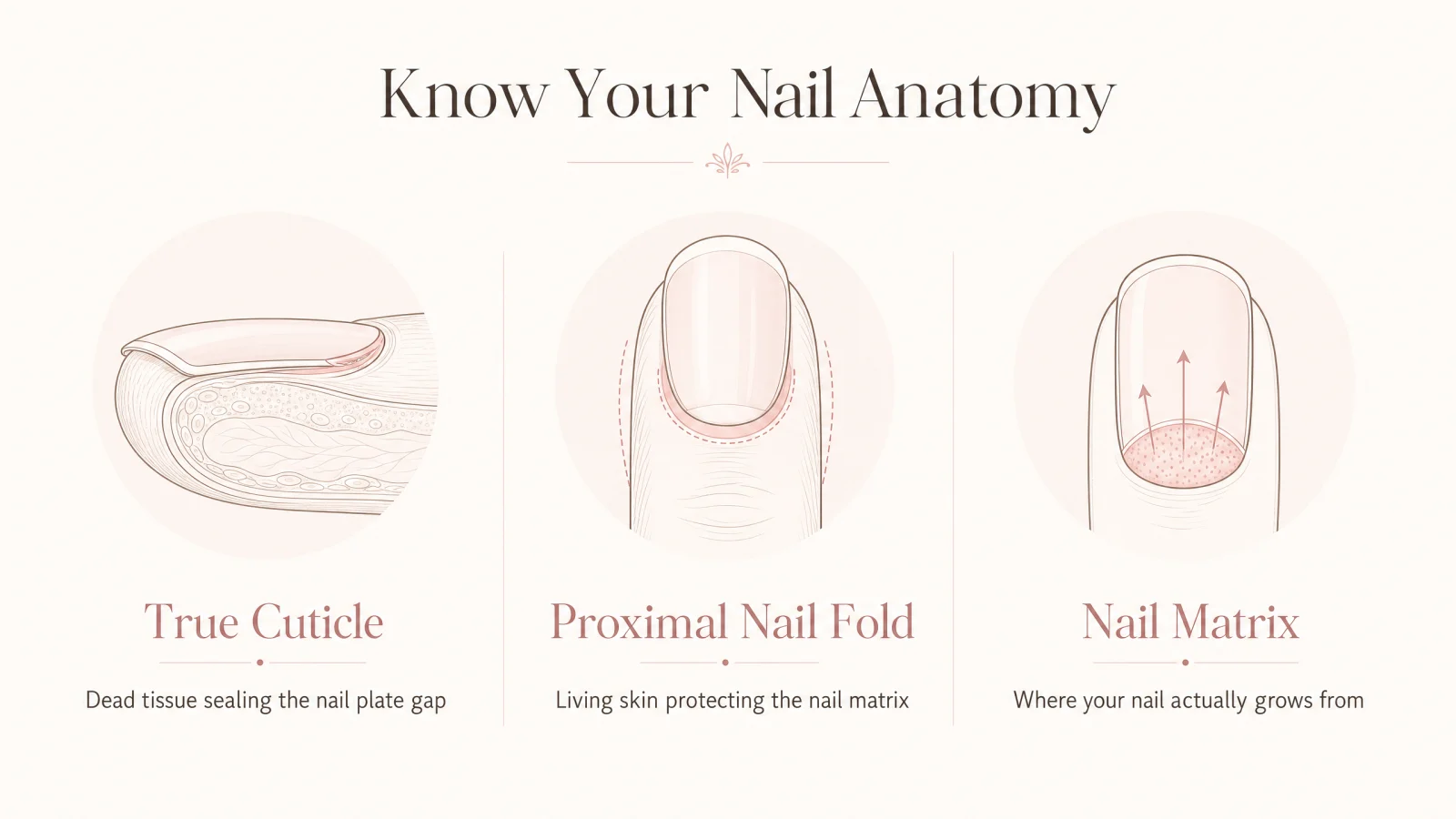
Here’s what the nail health science says, stripped back to its essentials. The true cuticle seal exists because your body wants it there. It’s not an aesthetic inconvenience. It’s a purpose-built defence mechanism.
When the true cuticle seal is disrupted, it may create a pathway that could allow bacteria and fungi to reach the nail fold area. This may be one reason why nail infections can sometimes occur following manicures.
Chronic cuticle cutting may be associated with a condition called pterygium, where the proximal nail fold can grow abnormally forward over the nail plate. If you notice this, it is worth speaking to a dermatologist. It’s one of those consequences that sounds dramatic until you realise it’s entirely preventable.
What Softening and Pushing Back Actually Does
The alternative approach, which many nail educators now advocate strongly, centres on gentle softening and pushing back rather than cutting. Warm water, a dedicated cuticle remover product, and a soft pusher tool can achieve the same neat appearance without touching living tissue.
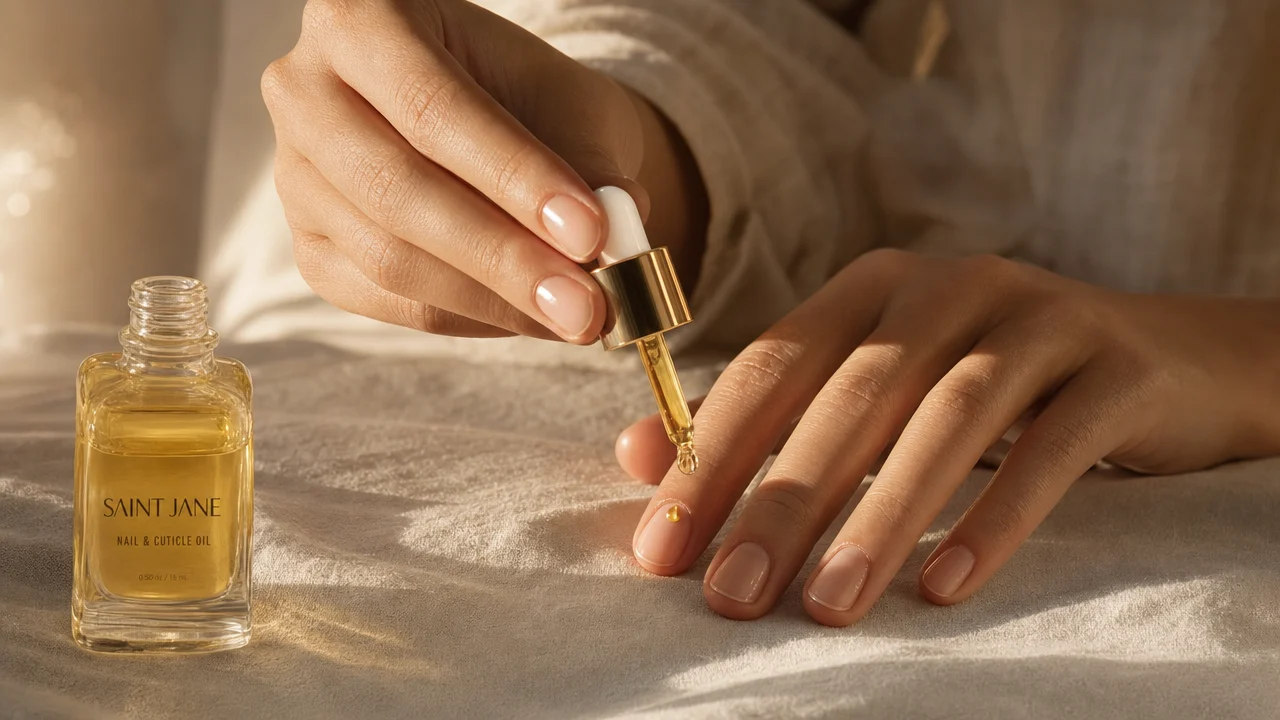
This is also where cuticle oil earns its near-legendary status in nail care circles. Regular hydration of the nail fold area keeps the skin supple and less likely to produce the ragged overhang that tempts people to reach for the nippers in the first place.
Think of it less as maintenance and more as prevention. And if you’re curious about how hydration plays into the broader story of nail health, there’s a lot more fascinating detail to discover there.
When Cutting Is Actually Justified
Now, to be fair to both sides of this debate: cutting does have a place in nail care. Just a very specific, limited one.
Hangnails are the obvious example. A true hangnail is a torn piece of dead skin at the side of the nail, and leaving it to snag and tear further is genuinely worse than trimming it cleanly. The key distinction is that you’re removing detached, dead tissue rather than living skin, not cutting into anything that can bleed or swell.
Excess dead cuticle that has lifted away from the nail plate can also be tidied. But the operative word there is dead. If it bleeds, you’ve gone too far. If it pulls, you’ve gone too far.
Precision matters enormously here. And precision comes from understanding the anatomy, not just copying what you’ve seen online.
What This Means For You
- The tissue most people call their cuticle is actually the proximal nail fold, living skin that protects the nail matrix from infection and damage.
- Regular cutting of this area can lead to chronic inflammation, increased infection risk, and, over time, changes to how your nail grows.
- Softening, hydrating, and gently pushing back can achieve a clean, groomed appearance without the risks that come with cutting living tissue.
- Hangnails and lifted dead cuticle are the only situations where careful trimming is genuinely warranted, and even then, technique is everything.
- Many of the most enviable celebrity manicures are often achieved through hydration and gentle grooming rather than aggressive nipping, though individual routines vary.
Your Nail Care Routine Deserves a Second Look
Discover personalised nail health guidance and expert tutorials inside MyNailEra.


A Debate Worth Taking Seriously
The cuticle cutting debate isn’t just beauty-world noise. It’s a conversation rooted in real anatomy, real risk, and a genuine desire to understand what healthy nails actually look like from the inside out.
The fact that it’s trending right now reflects something bigger: people are finally asking deeper questions about their nail care, not just following habits they picked up years ago without much thought. That curiosity is exactly what leads to healthier, more beautiful nails in the long run.
The future of nail care is more informed, more intentional, and considerably kinder to your hands. And honestly? Your nails will thank you for it.
If you want to go deeper on this, Era, your personal nail coach inside the MyNailEra app, can give you personalised feedback on your own nail care routine, walk you through guided tutorials built by award-winning nail artists, and help you understand exactly what your nails need.