There’s a beauty habit so deeply embedded in our routines that almost nobody questions it. You sit down for a manicure, the cuticle nipper comes out, and snip. It feels tidy. It looks clean. But here’s the thing: what most people cut isn’t actually the cuticle. And cutting it could be doing real damage to your nails.
This isn’t a niche dermatology debate. It’s a widespread misconception that affects how millions of people care for their nails every single week. The team at NailKnowledge has been looking closely at this, and the reality is far more fascinating than the myth.
Once you understand what’s actually going on at the base of your nail, you’ll never look at a pair of nippers the same way again.
💡 Key Takeaway
The skin at the base of your nail is living tissue called the proximal nail fold, not the cuticle. Cutting it breaches your body’s natural defences and can lead to infection, thickened skin, and soreness. The true cuticle is a thin layer of dead cells on the nail plate. Nourishing the area with a good cuticle oil and gently nudging back dead tissue is all your nails actually need.


The Cuticle Isn’t What You Think It Is
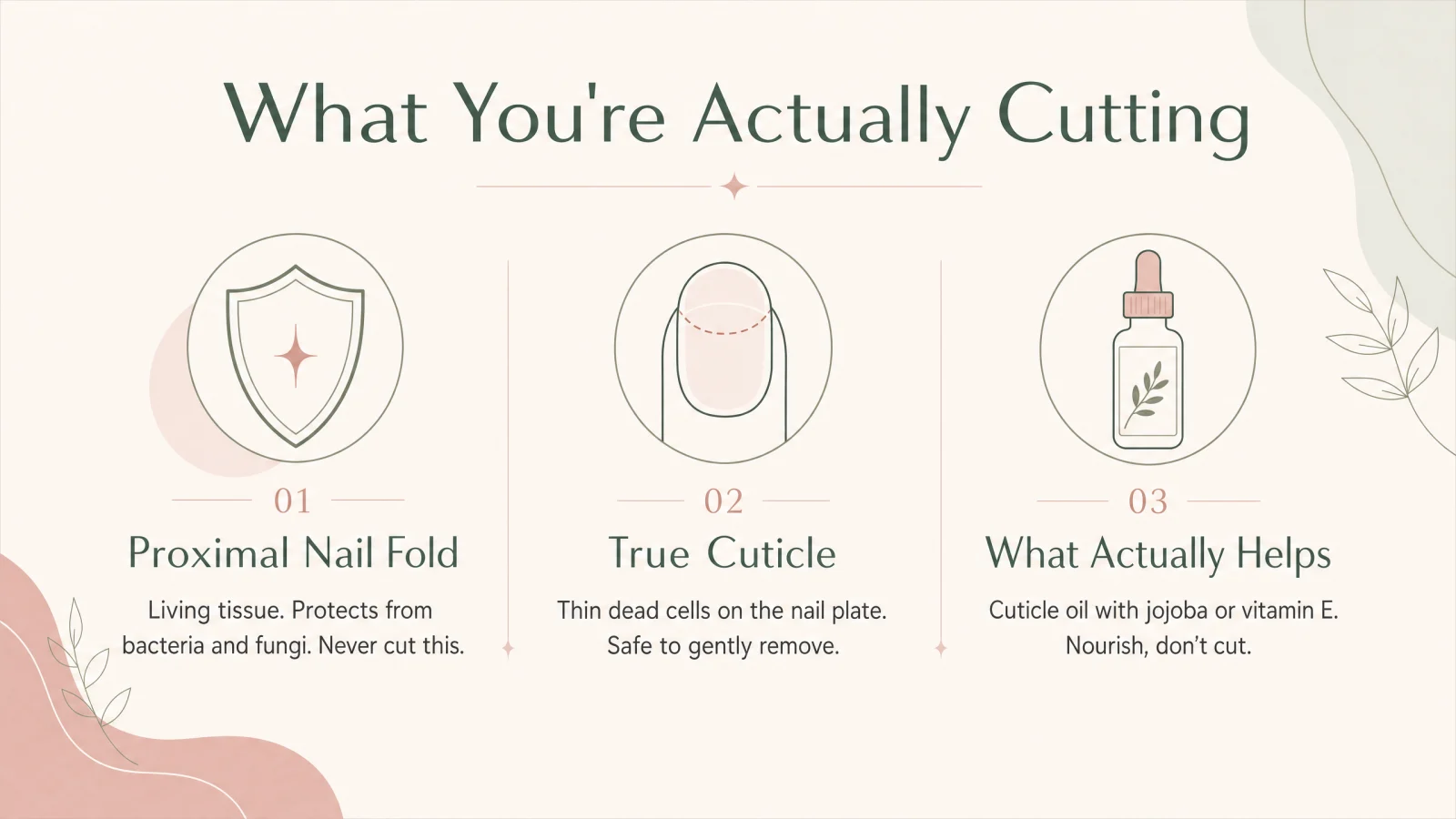
Most people point to the skin sitting at the base of their nail plate and call it the cuticle. It’s an understandable assumption. But that skin has a proper name: the proximal nail fold. And it is very much alive.
The proximal nail fold is living tissue. It protects the nail matrix, the part of your nail unit responsible for growth, from bacteria, fungi, and environmental damage. It is, in the most literal sense, a biological barrier your body has built to keep things out.
The true cuticle is something entirely different. It’s a gossamer-thin layer of dead skin cells that migrates onto the nail plate from beneath the proximal nail fold, carried there by a structure called the eponychium. You’ve probably seen it as that slightly translucent, almost invisible film that clings to the base of a freshly grown nail.
Why Cutting Into Living Tissue Is a Problem
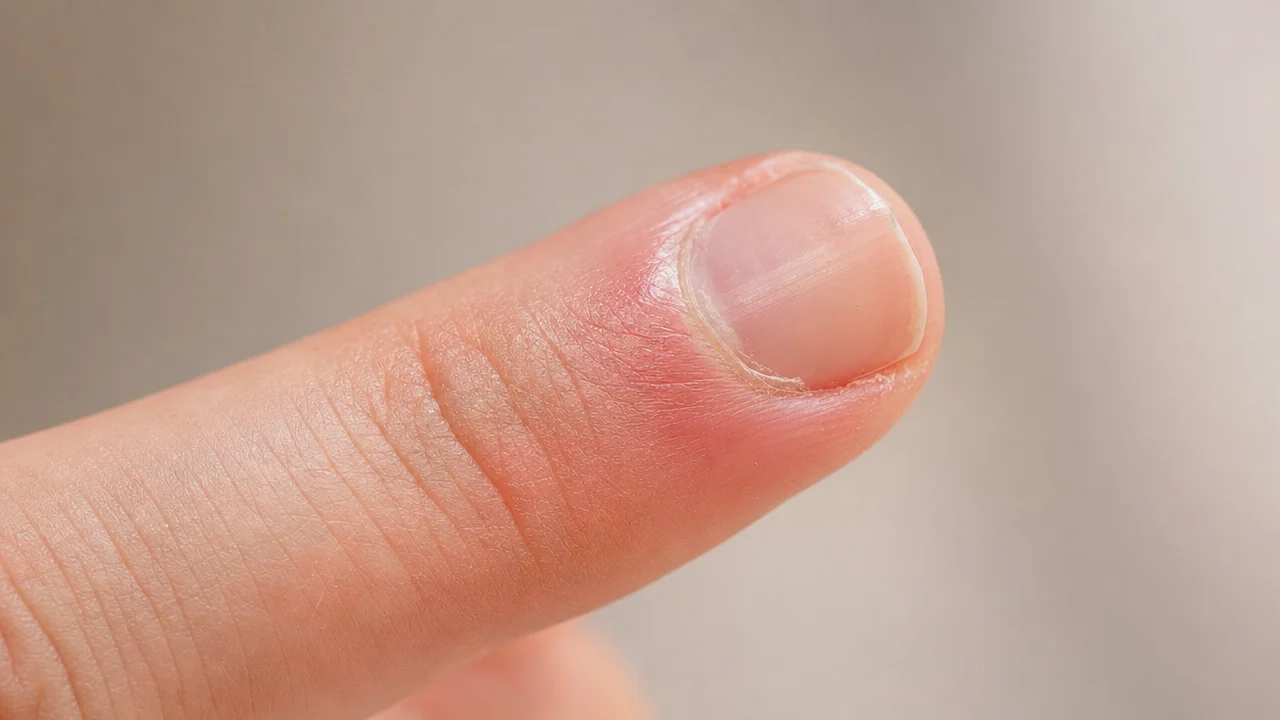
When you cut the proximal nail fold, you’re not tidying up dead skin. You’re breaching one of your body’s most quietly effective defence systems.
That breach creates an entry point. Bacteria and fungi that would normally be turned away now have access to the nail unit. The result can be infection, inflammation, redness, and soreness that seems to come out of nowhere. Sound familiar?
There’s another consequence that doesn’t get talked about nearly enough: trauma near the nail matrix can trigger hyperkeratosis. That’s a thickening and toughening of the skin around the nail, which ironically makes the area look worse and prompts more cutting. It’s a cycle that’s very easy to fall into without ever realising what’s driving it.
If it bleeds, or if it hurts, you cut the wrong thing. That’s the simplest way to put it.
The Nail Care World Is Quietly Rethinking Everything
This shift in thinking isn’t coming from nowhere. As nail trends in 2026 move towards healthier, more natural-looking manicures, the conversation around nail health has moved with them. People want their nails to look genuinely good, not just temporarily tidy.
There’s a growing community of nail enthusiasts who’ve stopped cutting entirely and started treating the nail area as something to nourish, not to trim back. The results, they say, speak for themselves: fewer hang-nails, less redness, nails that actually grow longer without drama.
Social media has amplified this. Videos showing the difference between an overly cut cuticle area and a softened, gently pushed-back one have been quietly racking up views for months. The visual difference is striking.
What Actually Belongs in Your Nail Routine
So if cutting is out, what’s in? The answer starts with cuticle oil, and the ingredients matter.
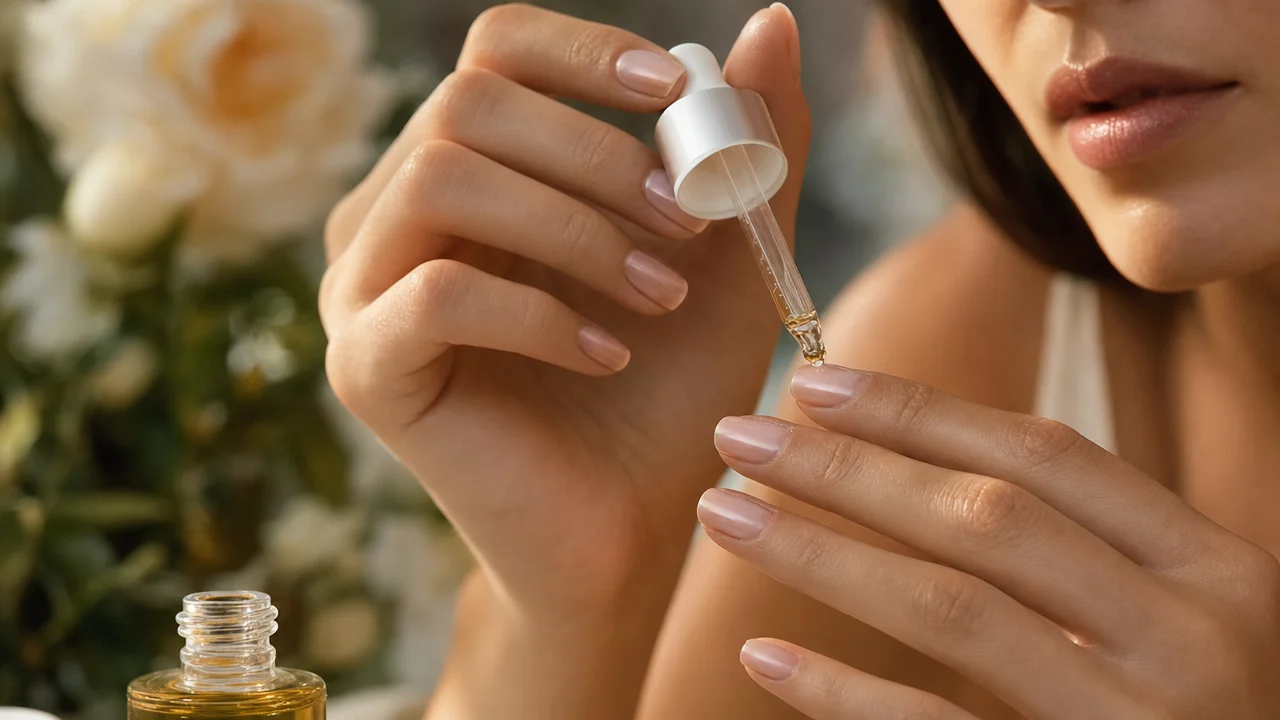
Oils containing jojoba, vitamin E, or sweet almond oil do something genuinely impressive. They hydrate the skin around the nail, help seal in moisture, and support the microcirculation that keeps the nail unit healthy. Regular use visibly softens the proximal nail fold, making the whole nail area look cleaner and more refined without a single snip.
After softening, a gentle nudge with a soft orangewood stick can move dead tissue back. The key word there is gentle. You’re encouraging, not forcing. And the only things worth trimming are loose flakes of genuinely dead skin or a hangnail that’s already separated. Never cut right at the fold. Not even close to it.
For anyone exploring longer-wear options, the principle holds. Whether you’re experimenting with BIAB manicures or a classic gel look, a healthy nail area underneath is what makes any manicure look and last its best.
The Ingredient Conversation Is Getting Interesting
Cuticle oils have had something of a glow-up in recent years. What used to be a single-ingredient afterthought has become one of the most talked-about products in nail care circles.
Jojoba oil is particularly well-regarded because its molecular structure is so close to the skin’s own sebum. It absorbs quickly and doesn’t leave a greasy residue. Vitamin E brings antioxidant properties that protect the delicate skin around the nail. Almond oil is celebrated for its softening effect.
Together, these ingredients do something a pair of nippers never could: they actually improve the condition of the nail area over time. The barrier function of the proximal nail fold strengthens rather than being repeatedly compromised.
It’s a long-term investment in your nails, and once people make the switch, very few go back.
What This Means For You
- The skin at the base of your nail is living tissue with a protective function, and cutting into it can lead to infection and thickened skin over time.
- The true cuticle is the thin, dead film on the nail plate itself, and that’s the only part that’s safe to gently remove.
- Regular use of a cuticle oil rich in jojoba or vitamin E can visibly transform the nail area without any cutting at all.
- If your nail area regularly looks red, feels sore, or keeps producing excess skin, the cutting habit may be the cause, not the solution.
- A gentle orangewood stick, used after softening, is all you need to keep the nail area looking neat and healthy.
Ready to Try Blooming Gel?
Discover the dreamy summer nail trend taking over every beauty feed right now.


A Small Change With a Surprisingly Big Impact
The cuticle myth is one of those beauty misconceptions that’s been passed down so casually, through salons, magazines, and well-meaning friends, that almost nobody stops to question it. But the science is clear, and the results of changing your approach are visible within weeks.
This isn’t about overhauling your entire routine. It’s about understanding one small but significant thing better. Protect the fold. Nourish the skin. Trim only what’s genuinely dead. Your nails will reward you for it in ways that a tidy-looking cut never quite managed.
The nail world is paying attention to this shift. And if the growing conversation around nail health over nail aesthetics is anything to go by, the nippers are going to be getting a lot less use from here on.
Ready to build a nail routine that actually works for your nails? Download MyNailEra and meet Era, your personal nail coach. Era gives you personalised feedback on your nail health, walks you through guided tutorials designed for real people doing their nails at home, and connects you with techniques developed by award-winning nail artists. Your nails deserve more than a myth.