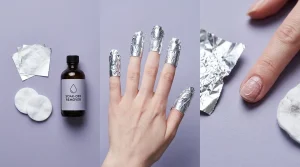
When it comes to nail care, few topics stir as much confusion as acetone use in nails. Is it drying? Damaging? Essential? Ask any regular salon-goer and you’ll get a mix of horror stories and everyday indifference. But let’s cut through the myths and get to the heart of the matter. Acetone is one of the most commonly used substances in nail treatments, especially for removing gel, acrylic, or stubborn polish. And while it might make your nails look a bit parched right after use, that visual dryness doesn’t tell the full story.

What Is Acetone and Why Do We Use It?
Acetone is a powerful solvent that’s found naturally in the environment and even in the human body in small amounts. In the nail world, it’s the go-to for dissolving products that cling to the nail plate like gel polish, dip powders, and acrylics. It works fast, is inexpensive, and, despite its intimidating chemical smell, is surprisingly safe when used properly.
Its strength lies in its ability to break down polymers and remove surface oils and what’s known as free water. But before you picture your nails shrivelling up like dried prunes, it’s crucial to understand what that really means.
Acetone Use in Nails: Debunking the Dehydration Myth
Here’s the part that often gets misunderstood: acetone doesn’t strip your nails of their structural moisture. The nail plate contains two types of water, bound water and free water. Bound water is locked into the nail’s internal structure and originates from the nail bed and matrix during formation and growth. Acetone can’t touch that.
What it can remove is free water, the moisture sitting temporarily on and within the nail surface, picked up from the environment. That’s also why nails might look a bit dull or chalky after using acetone. It’s just lost some of that surface hydration, which your body and environment naturally replace. Within hours, nails typically re-establish equilibrium with the air around them, reabsorbing environmental moisture and water from the nail bed like a sponge. It’s a temporary state, not permanent damage.
So Why Do Nails Sometimes Feel Brittle?
Great question, and one that often gets laid unfairly at acetone’s feet. If your nails are feeling brittle, snapping, or peeling, acetone is probably not the true villain. More likely culprits include over-filing, scraping, or aggressive removal techniques. Yes, even using metal tools to push off gel can create microtears and weaken the nail.
Acetone can contribute to a cosmetic dryness, especially if you’re soaking off gel or acrylics every few days. But again, that’s about appearance and flexibility, not internal damage. Nails might feel a little stiffer if surface oils are stripped repeatedly, but this isn’t the same as structural harm.
The Right Way to Use Acetone Use in Nails
Let’s talk best practices. Normal use of acetone, say, a gel polish removal every two to three weeks, is not considered overexposure. Even weekly removals are generally fine for most people. Trouble tends to show up when there’s:
- Repeated use multiple times per week
- No time for nails to recover between treatments
- Little or no aftercare (no oils, no hydration)
- Prolonged skin exposure without protection
In these cases, yes, you may notice persistent dryness or irritation. But even then, it’s a surface issue, temporary and fully reversible with proper aftercare. Think of it like over-washing your face. It might feel tight and dry, but your skin barrier isn’t broken unless you keep at it with no moisturiser in sight.
Overexposure vs. Normal Use: A Crucial Distinction
“Overexposure” has become a bit of a buzzword, but let’s be clear, it doesn’t mean removing your polish once a week. Overexposure refers to repeated, unrelenting acetone contact, especially with no rest time or conditioning. If you’re soaking, scraping, and reapplying polish several times a week without pause, that’s when you may start noticing the side effects.
Even then, we’re talking about skin dryness or cosmetic roughness, not actual nail damage. The nail’s core integrity remains intact unless physical trauma is involved. And that’s a whole other conversation.
The Importance of Aftercare
If you’re using acetone regularly, you can’t skip out on aftercare. Think of it as your insurance policy for happy, healthy nails. Here’s what your post-acetone routine should include:
- Cuticle oils to replenish lost lipids
- Hand cream to combat any dryness around the nail
- Gentle filing (avoid over-buffing!)
- Allowing the nail surface time to re-establish its natural balance before reapplying product
Just like your hair needs conditioner after shampooing, your nails and skin appreciate a little nourishment after acetone exposure.
Final Thoughts: Acetone Isn’t the Enemy
It’s easy to blame acetone for brittle nails or dryness, but the science doesn’t support the horror stories. In reality, acetone use in nails is perfectly safe when done with care and moderation. It’s not eating away at your nail bed or sucking out essential hydration from the inside out. What it does is temporarily affect the outer layer, something you can fix with a bit of oil and patience.
The next time you hear someone swear off acetone like it’s a toxic menace, you’ll know better. With the right technique and aftercare, it’s not a threat, it’s just another tool in your nail care arsenal.
So go ahead, soak smart, moisturise well, and keep those nails looking their best.