• Skip to primary navigation
  • Skip to main content
  • Skip to footer
NailKnowledge

NailKnowledge

  • Courses
  • eBooks
  • eBook Basket
  • Knowledge Base
    • Knowledge Base
    • Ask the Experts
    • Glossary
  • News
  • Blog
  • Gallery
    • Nail Art Gallery
    • Nail Artists
    • Join the Elite
  • Login

General Information

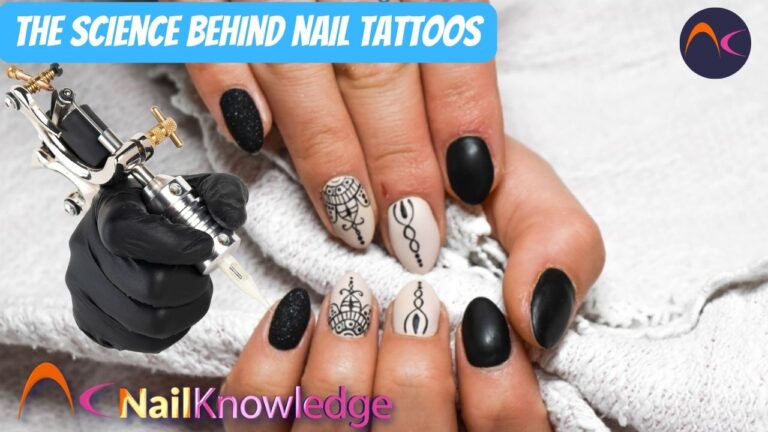
The Science Behind Nail Tattoos: A Comprehensive Guide

Nail art has evolved significantly in recent years, surpassing traditional manicures and pedicures. Tattoos have become a captivating trend, growing with heightened artistic expression. These miniature masterpieces empower individuals to express their distinctiveness through self-expression. But have you ever wondered about the scientific principles behind them? What makes them so resilient?

In this extensive guide, we will delve into the intriguing science of nail tattoos, featuring insights from top tattoo artists in California and supported by thorough scientific research.

Origins of Nail Tattoos

Emerging from age-old nail art traditions, tattoos, alternatively known as decals or wraps, have historical ties to civilizations such as the Chinese, Egyptians, and Indians. These cultures adorned their nails with diverse materials for aesthetic purposes. However, the contemporary tattoo trend emerged in the late 20th century, creatively meeting the demand for intricate and detailed designs.

Expressing Individuality

The primary goal of nail tattoos lies in their ability to express individuality. Whether opting for a minimalistic geometric pattern, a lively floral design, or a meticulous portrait, they provide a platform for individuals to display their personality, interests, and creativity on a compact yet influential canvas. The range of designs ensures a suitable nail tattoo for every style, mood, and occasion.

Community and Trends

The surge of social media has influenced the increasing appeal of nail tattoos. Instagram and Pinterest are virtual galleries where artists and enthusiasts exhibit their latest creations. They spark inspiration for others to explore diverse styles and techniques.

Trends in nail tattoos frequently mirror movements in fashion and art, highlighting the dynamic nature of this continually evolving avenue of self-expression.

Understanding the Basics

Nail tattoos represent a fascinating intersection of art and science, pushing the boundaries of traditional nail aesthetics. Unlike conventional nail polish, which forms a solid layer upon drying, nail tattoos utilize a unique approach by employing ink that adheres to the nail’s surface.

At the heart of nail tattoos is the formulation of specialized inks designed to bond effectively with the keratin structure of the nails. These inks often consist of pigments suspended in a liquid base, carefully crafted to ensure optimal adherence and durability. Artists choose them for their vibrancy and ability to maintain integrity on the nail’s surface over time.

Materials and Techniques

Nail tattoos come in various forms, from water decals and stickers to intricate hand-painted designs. Here are some popular techniques and materials used in creating them:

  1. Water Decals: The most common type of nail tattoo. They are a thin film that transfers onto using water. The process involves submerging the decal in water, placing it into position, and sealing it with a top coat to achieve a seamless result.
  2. Nail Stickers: Pre-designed adhesive decals for direct application. Available in various shapes, sizes, and patterns, they offer limitless possibilities for customization.
  3. Gel Transfers: A design placed onto the nail using a special gel or adhesive. Employing this method leads to a tattoo that is long-lasting and more resilient.
  4. Inked Designs: For those seeking unique and personalized nails, inked designs offer a one-of-a-kind touch. Skilled artists can create intricate and detailed artwork.

Nail Tattoo Application

The application of nail tattoos is a precise process rooted in the principles of science:

  1. Surface Preparation: Nail surface preparation before applying them is very important. It involves removing oils that could interfere with the application’s efficacy.
  2. Applying Mechanism: The application used in tattoos creates a strong bond with the nail, ensuring a secure yet gentle connection.
  3. Air Removal: Research-based techniques are employed to eliminate trapped air bubbles during application, ensuring a seamless, professional finish contributes to the design’s longevity.
  4. Top Coat Protection: Many nail tattoos require a scientifically formulated top coat, which enhances the design’s vibrancy and adds a protective layer, extending the design’s lifespan.

The Longevity of Nail Tattoos

Several factors influence the longevity of nail tattoos.

  1. Water Resistance: Nail tattoos resist exposure to water. It prevents smudging and lifting of the design, even in moist conditions.
  2. Flexibility: The vinyl or polymer material is sufficiently flexible to conform to the nail’s shape without cracking or peeling, even under natural movements.
  3. Wear and Tear: Gentle handling can significantly extend the lifespan of nail tattoos.
  4. Top Coat’s Protective Role: The formulation of top coats plays a pivotal role in protecting nail tattoos from chipping, fading, or scratching, ensuring a design that endures.

Nail Bed Reconstruction

Medical tattooing serves to help restore a patient’s physical well-being while aiding in their psychological recovery from the impacts of disease, surgery, or trauma. It becomes essential with surgically removed nails [1].

Typically, medical tattooing is a process that requires multiple sessions to integrate precise color nuances and attain a remarkably realistic outcome. It involves collaboration with a skilled medical artist possessing substantial experience in this specialized field.

The precise and safe implementation of the treatment depends on the tattoo artist possessing a thorough grasp of specific techniques and adeptly handling the necessary materials. Frequently, unsatisfactory results arise due to the operator’s lack of experience and knowledge of the process employed during the treatment.

The importance and potential of using tattoos for medical purposes become apparent when they can enhance or refine outcomes achieved through plastic surgery. It can help circumvent the need for additional invasive procedures.

The application of medical tattooing to restore the aesthetic of the nail bed marks a significant advancement, underscoring the versatility of this technique. With the supervision of a skilled physician and artist, a patient can restore a sense of physical integrity without facing any health risks.

Conclusion

Nail tattoos represent a harmonious mix of artistic expression and scientific creativity, transcending mere fashion views. Continual research and innovation have led to the development of exceptional and enduring tattoos. With this trend’s evolution, we can expect future breakthroughs in materials and techniques, enhancing their accessibility even further.

The next time you find yourself admiring the detailed nail art gracing your or someone else’s fingertips, take a moment to acknowledge the inventive prowess that breathes life into these designs. Tattoos are a remarkable testament to the fusion of creativity and scientific advancement within beauty and self-expression.

References

  1. Alberto Renzoni, Antonia Pirrera, Alessandra Lepri, Paolo Cammarata, Rita Molinaro and Alessandro Dalla Vedova. Medical tattooing, the new frontiers: a case of nail bed treatment (2017). — DOI: 10.4415/ANN_17_04_10

Filed Under: General Information, Nail Services

Nail Formation in Developing Fetuses

From Tiny Beginnings: The Fascinating Journey of Nail Formation in Developing Fetuses

Ever wondered how those tiny fingernails and toenails come to be on a developing fetus? It’s a fascinating journey that begins long before birth. In this article, we’ll delve into the intricate process of nail formation in the womb. Get ready to be amazed by the hidden world of fetal nail development, where perplexity and burstiness intertwine to create these essential yet often overlooked appendages.

The Blueprint: Nail Apparatus Basics

Before we dive into the fetal realm, let’s start with the basics. Nails, those handy protectors at the tips of our fingers and toes, serve a myriad of purposes. They shield our delicate digits, aid in everyday tasks, and even contribute to our sense of touch and dexterity. But how do they form in the first place?

The nail apparatus comprises the nail plate and several surrounding structures: the nail matrix, nail bed, proximal nail fold, and hyponychium. Think of it as a complex construction project unfolding in the tiniest workshop imaginable. Each element plays a crucial role in crafting the final product – your nails.

The Journey Begins: Fetal Nail Formation

Now, let’s step into the fetal world, where the magic of nail development unfolds. The story begins around the 8th week of gestation, when the first signs of nail formation make their appearance. This is the moment when cells start to differentiate, marking the beginning of a remarkable journey.

At this early stage, a rectangular thickening of the epithelium appears on the dorsal surface of the developing digits. It’s known as the “nail field,” bordered by four grooves. These grooves resemble arched borders, with each one continuing the adjacent one. The proximal groove, the deepest of them all, takes on a transverse direction, with the apex located toward the digit’s midline.

Surprisingly, fingernails seem to develop this feature as early as 7 weeks of gestation, while toenails are a bit more camera-shy and aren’t yet recognizable. The distal groove, shallow at this point, separates the nail field from the epidermis on the volar surface of the fingers.

The Clubbed Nail Phase

Around the 9th week, a remarkable transformation occurs. The nail field in the fingers enlarges and adopts a dome-like shape, raising the prominence of the proximal groove. It’s like the early stages of a construction project where the foundation is being set. Interestingly, this gives the nail complex a “clubbed nail” appearance, but don’t be fooled – this is just a transient phase.

By the 11th week, the nail field of the toes finally decides to make its debut, complete with equivalent nail grooves. However, toenails take a different approach, opting for a more rectangular shape, with the longer side perpendicular to the direction of the toes. Here, the lateral nail grooves are notably shorter than the proximal groove, especially in toes 2-5.

The Growing Complexity

As fetal development progresses, the nail field in fingers undergoes further changes. By the 12th week, the nail field’s height starts to decrease, and the proximal groove deepens and narrows. It’s as if the building is starting to take shape, with the walls of the nail matrix rising to create the foundation for the nail plate.

Around the 16th week, the nail plate finally emerges from beneath the proximal nail fold. It appears as a semi-circular, flat structure with a smooth surface. Proximal and parallel to the distal groove, a new feature emerges – the distal ridge. In this early stage, the ridge is somewhat inconspicuous, sporting a blunt border.

Meanwhile, toenails are following their own schedule. At 18 weeks, the nail plate starts to show itself, and the distal ridge becomes discernible. Both structures in toenails resemble those seen in the 12-week stage of finger development.

Adult-Like Nails in the Making

Fast forward to the 25th week, and we witness the final stages of fetal nail development. In the fingers, the nail plate continues to grow, now resembling an arched structure covering roughly half of the nail field. The distal ridge, which has gained sharpness and height, becomes the focal point.

At this point, the distal groove widens and becomes shallower, while the lateral grooves are nearly concealed by the evolving nail plate. It’s as if the finishing touches are being added to our construction project, bringing us closer to the familiar adult-like nails we know.

Conclusion

The journey of nail formation in the fetus is a captivating narrative of development, transformation, and growth. From the initial appearance of the nail field to the emergence of the nail plate and distal ridge, every stage is marked by intricate changes that culminate in the creation of our handy fingernails and toenails.

So, the next time you admire your nails or help a newborn trim theirs, remember the incredible journey that took place long before birth – a journey filled with perplexity and burst

Filed Under: General Information

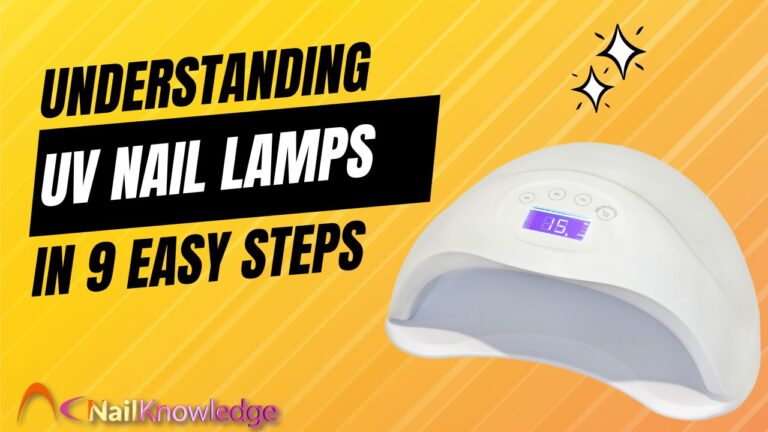
Understanding UV Nail Lamps – A Comprehensive Overview

Since UV technology revolutionised our industry, we have long relied on UV nail lamps for curing various types of nail coatings. Yet, these devices, whether using fluorescent-style bulbs or LED diodes, still puzzle many nail professionals as they carry differences that are critical to understand. 

Let’s have a look if we can help shed some light on this matter, with nine important facts to consider about both fluorescent-style UV nail lamps and LED-style UV nail lamps.

1. UV Lamps: Understanding Bulb Variance in Nail Curing

   – Both styles of lamp cure gel products by producing UV energy. The main difference between both is how this energy is created. LED nail lamps use diodes as bulbs, whereas traditional models rely on fluorescent tubes.

2. Curing Speed and UV Emission:

   – LED (which stands for ‘light emitting diode’) nail lamps produce higher levels of UV energy, which makes them much faster than the old fluorescent style lamps in curing nail coatings. They are the standard at the moment, as they are faster and consume less energy.

3. Wavelengths and Intensity:

   – LED diodes emit fewer UV wavelengths (narrower spectrum of cure) but at higher intensities (faster), while fluorescent tubes produce numerous wavelengths (higher spectrum) at lower intensities (slower), resulting in different ranges of cure methods for UV gels. 

4. Power Efficiency vs. UV Emission:

   – Surprisingly, LED-style UV nail lamps, despite their faster curing, operate at around 30% lower wattages, so it will save you in energy bills.

This is also great proof that wattage is not indicative of UV emission, as many seem to believe.

5. Potential Risks:

   – LED nail lamps, if used on UV gels formulated especially for fluorescent-style lamps, can overcure, which can lead to severe heat spikes, nail bed burns and plate separation, potentially causing infections or loss of the nail plate completely.

6. Understanding Intensity Variation in UV Nail Lamps:

   – Different LED nail lamps can emit significantly different amounts of UV, suggesting that not all LED-style UV nail lamps are equal in UV emission. This is a very important point!!! As they produce a narrower spectrum of UV wavelengths, we can never use the same UV lamp to cure all products, which is the same as saying that a universal lamp doesn’t exist!

7. Safety Assurance:

   – Both fluorescent and LED nail lamps have undergone safety tests and are confirmed not to cause cancer, if used according to manufacturer’s guidance. 

 Both lamp types are safer than natural sunlight exposure, reducing the risks associated with UV exposure. Nail lamps produce only UVA rays, which are not harmful to skin if used appropriately.

8. Lifespan Expectancy:

   – Typically, both styles of nail lamps will deteriorate over time with usage and will require replacement after approximately three years of normal use.

LED diodes cannot be replaced, which means the whole machine will have to be replaced; whereas fluorescent tubes usually need replacement in average 2-3 times annually, so both with add on maintenance costs.

9. Manufacturer Calibration and Compatibility:

    – As we mentioned above, manufacturers will tailor UV gels to work well with specific lamps, so there isn’t a universal gel compatible with all nail lamps, emphasizing the need for specificity in product selection.

Mastering UV Nail Lamps: Science, Safety, and Success in the Salon

Salon professionals must understand the differences between the two styles of nail lamps and how they promote product curing on the nail plate. This knowledge is crucial for ensuring proper curing, minimizing risks, and maximizing the efficacy of nail treatments.

While it may seem like a lot of effort, understanding the science behind our work is essential. It ensures we maintain the highest standards of safety and professionalism, which, in turn, leads to a long and successful career.

Filed Under: General Information, UV Gel

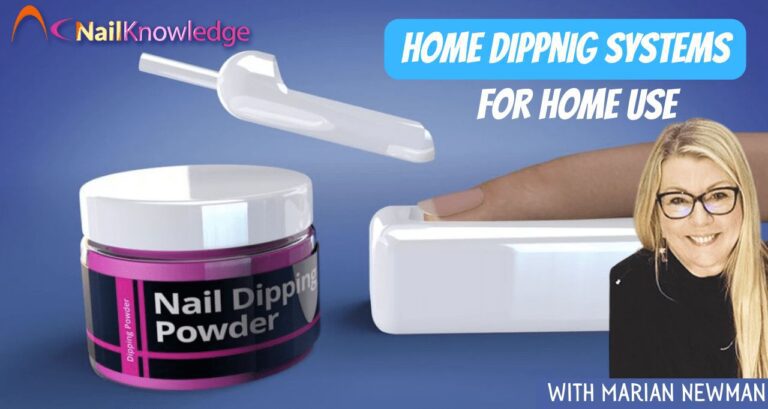
Home Dipping Systems for Home Use

Many brands are popping up with dipping systems for home use! What can you say to clients who are thinking of buying one instead of salon nail services?

The Dip system is popular in the US and due to this something called ‘dip flu’ has been identified as a real issue.

This is about the vapours from the cyanoacrylate adhesive that is used instead of a UV gel system. This glue is used in the nail sector for sticking tips on. It can be dangerous as, if you spill some on your leg and you’re wearing jeans, for example, it creates an intense heat and can seriously burn the skin under the fabric.

Also, the powder being used is most likely to be the powder used in an L&P system and not powder specifically manufactured for this. Powders for L&P have benzoyl peroxide in them and this is a known irritant and can cause painful skin irritations.

It is easy to do at home and many who try it will be tempted to use it on friends and relations. But they won’t understand the hygiene hazards of several people dipping into the same pot of powder.

All of these issues are the same for a professional using this system, but they should all be covered in training if it is a good course!

Explain this to your clients and try to discourage them from trying this DIY product. Warn them of the dangers and also include that, whatever the marketing states, it takes quite a while to remove with acetone so many will resort to picking it off which will damage their nails for a long time.

Filed Under: General Information, Nail Services, Product Chemistry

The Role of HEMA in the Nail Industry

Welcome to our mini lesson on HEMA in the nail industry!

This lesson is aimed at all nail professionals, from beginners to advanced technicians, as well as nail enthusiasts who want to learn more about this important ingredient in nail products. Our goal is to explain the basics of HEMA without overwhelming you with technical jargon, so that you can better understand its properties, benefits, and potential risks.

We’ll cover what HEMA is, the chemistry behind it, its properties and benefits, examples of nail products that contain HEMA, and potential safety concerns related to its use. 

So what is HEMA? 

HEMA or Hydroxyethyl Methacrylate (CAS# 868-77-9), is a monomer or simply put, a liquid ingredient that’s commonly used in the nail industry to create strong, durable and flexible nail products.

It works by bonding well with other ingredients in the product and with your natural nails. (HEMA adheres as well to a nail plate containing water or where surface water is present as a dry well prepped nail plate)

When the photo initiators in the product are exposed to UVA energy HEMA forms long polymer chains of molecules, which help create a strong and flexible solid material.

This means that when you apply a product with HEMA, it can create a smooth and even surface that’s less likely to chip or break. HEMA can also help the product stick and adhere better to your natural nails and resist lifting.
HEMA is a known allergen but when used correctly and professionally, it is safe at or below the recommended percentage of 35%. 

Some examples of nail products that might contain HEMA include acrylic powders and liquids, gel polishes, and nail primers.

These products are made up of a mixture of different ingredients, including pigments, fragrances, and other additives, along with HEMA.

Understanding the Risks and Safety Precautions of HEMA Use in Nail Products

While HEMA is an important ingredient in many nail products, it’s important to be aware of the potential risks associated with its use. Exposure to incorrect use of HEMA can lead to skin irritation, allergic reactions, and other health problems.

To minimize the risk of exposure for both you and your client, it’s important to follow proper safety precautions when working with all nail products. This includes wearing gloves, working in a well-ventilated area, and avoiding skin contact at all times. Additionally, it is advisable to ensure that the percentage of HEMA (hydroxyethyl methacrylate) in the products is 30% or, preferably, lower.

If you or your clients experience any signs of irritation or allergic reaction from using HEMA containing products, such as redness, swelling, blisters or itching, stop using the product immediately and seek medical attention if necessary.

Regulatory guidelines related to HEMA use in nail products vary by country and region. In the United States, the Food and Drug Administration (FDA) regulates nail products and sets guidelines for the safe use of ingredients like hema. In Europe and the united kingdom, they have also established guidelines for the safe use of HEMA in nail products. Products containing HEMA are restricted to professional use only.

As a nail technician, it’s important to stay up-to-date with regulatory guidelines and to use HEMA containing products safely and responsibly. By following proper safety precautions and using products according to manufacturer instructions, you can help minimize the risk of exposure and keep yourself and your clients safe.

HEMA-Free Claims and the Presence of Di-HEMA

If a product is advertised as HEMA free, why does the label say that it contains Di-HEMA?
This is a question we get asked a lot on NailKnowledge. So we will address it here with an example to put it into context.
If a product contains DI-HEMA but is advertised as HEMA-FREE, it is because DI-HEMA is a similar ingredient but is structurally different from HEMA.

However, it’s important to note that some individuals who are sensitive or allergic to HEMA may also have a reaction to DI-HEMA, as it is still a type of methacrylate. So, it’s always important to read product labels carefully before using any new product, especially if you have a history of skin allergies or sensitivities.  There are many HEMA free products available on the market but be aware, if an individual develops an allergy to HEMA, it is very likely they are also allergic to other monomers. The only way of knowing is to have a dermatological patch test to identify the exact ingredient to avoid.

There are many HEMA free products available on the market but be aware, if an individual develops an allergy to HEMA, it is very likely they are also allergic to other monomers. The only way of knowing is to have a dermatological patch test to identify the exact ingredient to avoid.

Drawing Parallels: Understanding HEMA and Di-HEMA

An example to compare the relationship between HEMA and DI-HEMA could be comparing the difference between skimmed milk and whole milk. Although both are types of milk, they have different properties and are produced differently.

Skimmed milk is produced by removing the fat content from whole milk, while whole milk contains all the fat that naturally occurs in milk. While both types of milk are white and liquid, they have different nutritional profiles and can be used differently in cooking and baking.

Similarly, while DI-HEMA is chemically related to HEMA, they are different ingredients with different properties and functions. It’s important to read product labels carefully and understand the specific ingredients included in a product before using it, just like it’s important to understand the difference between skimmed milk and whole milk when cooking or baking.

Wrapping Up: Understanding HEMA & An Invitation to Dive Deeper

That concludes our mini lesson on HEMA, in the nail industry. We hope you found this information helpful in understanding the basics of this important ingredient in nail products.

If you’re interested in diving deeper into the science behind nail products, we invite you to check out our “Essential Nail Professional” course. This course provides a more comprehensive exploration of the chemistry behind nail products, including the role of monomers, polymers, and HEMA. By enrolling in this course, you’ll gain a deeper understanding of the products you use every day and how to use them safely and effectively.

Thank you for learning with Nail Knowledge and we look forward to seeing you online real soon!

Filed Under: General Information, Nail Services, Product Chemistry

Demystifying Nail Allergies

Understanding Causes, Symptoms, and Responsible Care

There is still a great deal of obvious confusion over nail allergies and what to do about them.

Seeking Advice for Nail Allergies on Social Media

There are countless pictures on SM asking for opinions, even though many state that we are not doctors so we cannot diagnose. Then what?

If clients have been wearing nail coatings that are known to be allergenic and symptoms appear it doesn’t matter if they have had the same nail service for a long period of time with no reaction as it can take years for an immune response to occur. 

The only next step is to seek a medical diagnosis. Many general practitioners lack knowledge about common acrylate reactions, often dismissing them as fungal infections or prescribing antibiotics or steroid creams.

No one should take antibiotics unless necessary as the body can build up an immunity to them and they will not work when their use is urgent. Steroid creams can thin the skin and do not cure an allergic reaction.

Essential Steps for Allergic Reactions and Fungus Identification

The definitive step to remedy an allergic reaction involves complete removal of the allergen, which, in this case, refers to the nail coating.

To determine if a symptom is due to a fungal infection, testing is the essential method.

The only real answer to know what to do with a potential allergy is to have a dermatology patch test and one specifically for acrylates and methacrylates (which not all dermatologists are qualified to do!). If a GP refuses to refer the patient to a dermatologist, then they should be advised that the patient has had a known allergen such as a nail coating. Once this is done and results are received, the very specific ingredient can be avoided.

Testing HEMA-Free Products for Nail Allergies

It can be worth trying one nail with a HEMA-free product but the individual may, by that time, be allergic to many other acrylates or on the verge of becoming allergic. But if a client is insistent it can be done as long as the client agrees to return in one week to have it removed to see the condition of the nail plate and nail bed.

Prior Allergen Testing: A Must Before Nail Coating Application

Until this testing has been carried out no coating should be applied. If it is then the nail professional is liable for causing any further damage and wide open to a liable action.

When a reaction occurs the client must be encouraged to report it to Trading Standards via the Citizens Advice Bureau and the nail professional should report it to the manufacturer.

Preventing Nail Allergies: Proper Curing and Nail Product Safety

There are many known allergens used in nail products but they are allowed as the product must not touch the skin and must be properly cured. Please see all our information on a proper cure and watch our video on nail Allergies and how they happen, to understand it more.

Navigating HEMA and Monomer Reactions

It is not always HEMA that is the problem but reacting to HEMA can lead to reactions from other monomers.

It is very important that every nail pro understands what to do in these circumstances, anything less is unprofessional and opens their clients to long term problems and damage.

Filed Under: General Information, Myth Busting, Nail Conditions, Nail Services

  • « Go to Previous Page
  • Page 1
  • Interim pages omitted …
  • Page 13
  • Page 14
  • Page 15
  • Page 16
  • Page 17
  • Interim pages omitted …
  • Page 30
  • Go to Next Page »

Level Up Your Nail Insights

Join our Newsletter!
SUBSCRIBE...

Copyright © NailKnowledge

NailKnowledge

  • eBooks
  • About us
  • Courses
  • News
  • Blog
  • Newsletter
  • Glossary

Policies

  • Privacy Page
  • Terms & Conditions
  • Cookie Policy

Support

  • Contact Us
  • Ask the Experts
  • System Support
  • FAQs
English
English
Portuguese Spanish Vietnamese