• Skip to primary navigation
  • Skip to main content
  • Skip to footer
NailKnowledge

NailKnowledge

  • Courses
  • MyNailEra
  • Free eBooks
  • Knowledge Base
    • Knowledge Base
    • Ask the Experts
    • Glossary
  • News
  • Blog
  • Login

Archives for October 22, 2020

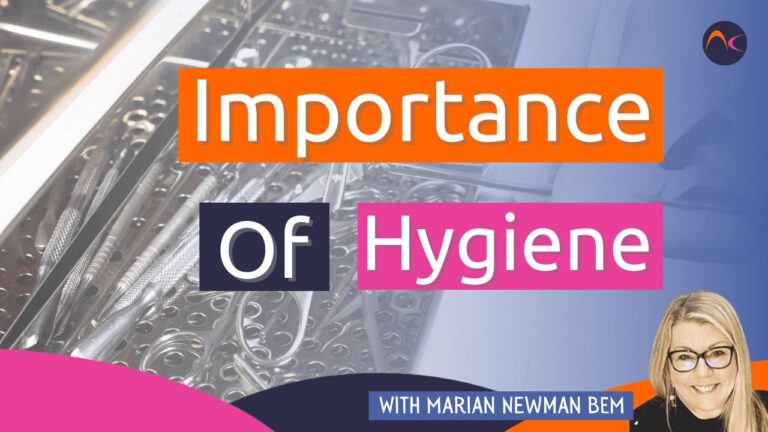
The Importance of Hygiene

Hygiene is a crucial aspect of a nail salon’s success, it is highly important to ensure that the safety of both, nail technicians and clients are prioritised at all times. Employees have a duty to uphold government regulations, guaranteeing that their salons are clean environments and by doing so, minimising any risks of cross-contamination, spreading of infections and long-term health problems for employees. Hygienic practises have also become a focal point during the current public health crisis, with all workers needing to do their part to ensure their respective communities stay as safe as possible.

In a salon, where similar procedures are being carried out on each client, employees must understand the risks of cross-contamination. Not sterilising equipment, desks and seats before moving between clients can spread germs, ultimately leading to infections. Furthermore, any wooden or ‘single-use’ tools should not be reused, and any metal tools should be thoroughly cleaned and then soaked in disinfectant before being used again. Fresh disposable paper towels should be laid on the desk for each service, and thrown away once finished.  It is key that employees stick to these rules, that way they can provide an effective yet safe service, which will satisfy their customers.

The tools are clean, and the risk of cross-contamination has been avoided, but arguably the most crucial stage of hygiene is whilst working on a client.

Nail salons are usually busy places with many clients being served each day, additionally, nail technicians have to work in close proximity to their clients. This close contact can pose a risk to both parties. If either the employee or client has: dirty hands; an infection; or an open wound this can create a breeding ground for germs and bacteria to multiply and spread. Employees are advised to wash their own hands regularly, to sanitise their client’s hands before working on them, and to avoid working on infected nails to minimise spread.

However, the risk is further increased by public health concerns, such as the current COVID19 pandemic as infected respiratory droplets can be released into the air via talking, coughing and sneezing within a 2 metre radius. It is now essential that nail technicians wear PPE at all times, increase the regularity of handwashing. Technicians must also avoid touching any personal possessions of clients to help further minimise the spread of COVID19.

Hygiene isn’t just important for clients. There are many factors which, if not dealt with appropriately, can have long-lasting negative impacts on the employees. Nail salons have lots of chemicals on-site, these range from chemicals in varnishes, to removers, and glues. Many of these products can produce vapours which linger in the air, sometimes accompanied by an odour, but sometimes not. This can fool employees as they may accidentally be breathing in extensive amounts of vapour without noticing. Although these chemicals aren’t usually harmful in short stints, long exposure to them without the necessary protection can cause health issues such as respiratory problems and skin conditions.  In addition to vapours, nail salons tend to have lots of dust in the air from filing nails down. This can be particularly problematic as the dust particles tend to be close to the nail technician’s face and can cause irritation of the eyes, nose and throat. To ensure that the salon is as safe as possible for workers and clients, it is advised that employees wear face masks at all times to protect themselves from dust particles in the air. However, masks don’t protect fully against vapour and so a desktop extractor should be used to draw dust and vapours away from the technician’s immediate area.

If proper hygiene rules are adhered to, nail salons can be perfectly safe and this must be a salon’s aim. Clients who have a positive experience with no health problems afterwards will be clients that return and who may steadily build up a salon’s reputation. Likewise, nail technicians who feel safe in the workplace and don’t suffer long term health issues, will flourish, ideally have a long career and benefit the salon for years to come.

Filed Under: Business, Health and Safety

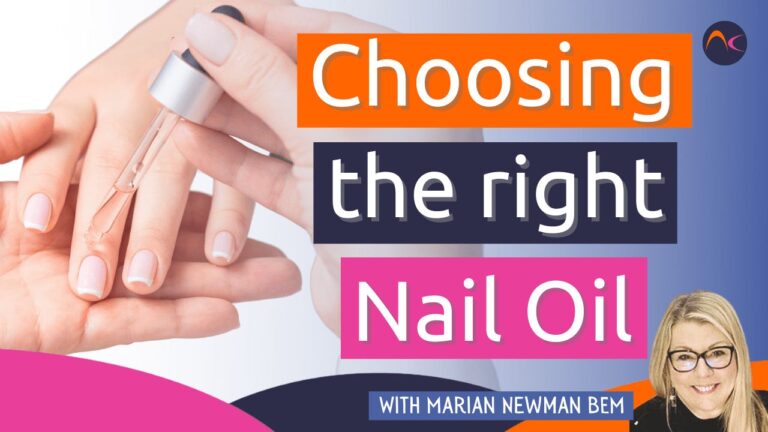
Choosing the right Nail Oil

Think about it. Our hands work hard. We spend lots of hard-earned cash on facial skincare but seem to neglect our hands which we constantly exposed to sunlight, cold wind, and washing-up water, at the very least.

Skin around the nails become dry and our nails become brittle and split. Fortunately, this is easy to remedy. Use a nail oil!

Oils are easily absorbed into the skin which provides a healthy environment for the nails to grow on. They will restore and protect against future damage and can ward of nasty fungal infections. But which one to choose?

Choose a thin oil-based product. Every oil has different benefits so you can tailor make a treatment to match your needs.

Jojoba Oil – A hero to our nails with molecules that are the right shape to penetrate some way into the nail plate. Containing high levels of vitamin E and B can also help repair the collagen in our skin and offers deep hydration. It absorbs easily too and will result in strong, healthy, moisturised nails and cuticles.

Avocado oil – like jojoba, this natural oil is able to penetrate the upper layers of the nail plate to help provide lubrication between the layers and help prevent brittleness and dryness.

Squalene – alongside the two oils above, this is a very good oil for both nails and skin. Make sure to use the vegetable derived version.

Almond Oil – Packed with nutrients like vitamins E, A and B plus Omega 6 and 9 essential fatty acids, this is a readily available product to help prevent dry skin.

These oils all work wonders on their own but you can give them a real boost by adding a few drops of essential oils. Before using essential oils, be sure you are not sensitive to them and avoid them if you are pregnant. There are many different essential oils on the market but it is best to go for a natural, organic oil rather than a synthetically produced one. The results will be far better.

Once again, each essential oil has different properties and benefits. A lot depends on personal preference but here are a few to consider.

Tea Tree Essential Oil – A natural anti-fungal treatment and has great deodorising properties meaning it is great for the feet too! It will heal and protect your nails. Some do have a sensitivity to it so do not use it if you have allergies to some chemicals. (Tea Tree can be an irritant so don’t apply undiluted oil directly to the skin)

Lavender Essential Oil – As well as smelling divine, this relaxing oil also promotes the healing of skin. Great if you need to soothe sore skin. Avoid if pregnant.

Clove Essential Oil – This oil calms the skin and is also an antiseptic. Great for warts too!

Lemon Essential Oil – The zingy scent will give you a lift and your nails will thank you for the antiseptic and skin toning effects. It will boost your circulation and brighten your nails too.

These are just a few of the many oils available. There are lots of nail balms and oils on the market that contain blends of these nourishing ingredients and now you know which oils are effective, it is easy to make your own at home. Just be sure to check the safety tips and dilution advice for any essential oils you may want to try.

Your nails will soon be strong and healthy and ready to get to work but they would still thank you for a pair of Marigold gloves to tackle the washing up!

Filed Under: Lotions, Potions and Polishes

Level Up Your Nail Insights

Join our Newsletter!
SUBSCRIBE...

Copyright © NailKnowledge

NailKnowledge

  • MyNailEra
  • eBooks
  • About us
  • Courses
  • News
  • Blog
  • Newsletter
  • Glossary

Policies

  • Privacy Page
  • Terms & Conditions
  • Cookie Policy

Support

  • Contact Us
  • Meet the Experts
  • Ask the Experts
  • System Support
  • FAQs
English
English
Portuguese Spanish Vietnamese