• Skip to primary navigation
  • Skip to main content
  • Skip to footer
NailKnowledge

NailKnowledge

  • Courses
  • MyNailEra
  • Free eBooks
  • Knowledge Base
    • Knowledge Base
    • Ask the Experts
    • Glossary
  • News
  • Blog
  • Login

Lotions, Potions and Polishes

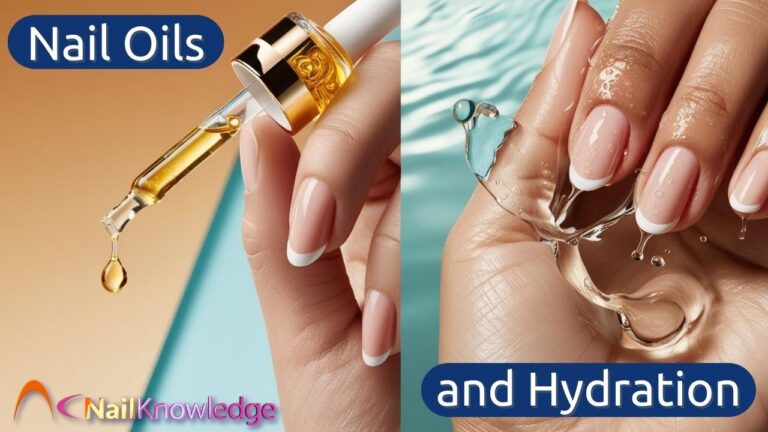
Do Oils Really Moisturise Nails?

The Truth About Nail Oils and Hydration

Ever wonder if those fancy nail oils actually moisturise your nails? It’s a question that stumps even seasoned beauty professionals, and it’s easy to see why. The word moisturise gets thrown around so much in beauty marketing that it’s started to mean a hundred different things. Let’s break it all down and uncover what oils really do for nails, and what they don’t.

What Does “Moisturise” Actually Mean?

To moisturise something literally means to increase its water content — to add water, not oil. That’s a key point! Here’s what you need to know:

  • Moisture = Water, not oil.
  • Moisturisers are products that help increase the water content in skin, nails or hair.
  • Products that moisturise typically contain water and ingredients to help hold that water in.

When people say, “this oil is so moisturising,” what they often mean is that it helps their skin or nails feel less dry, but not that it’s adding water. Here’s why that distinction matters.

Can Oils Moisturise Nails? Not Exactly…

Oils themselves do not contain water. They’re anhydrous, which means without water. So technically, they can’t moisturise. But they do something very clever instead:

  • Oils form a barrier on the nail or skin surface, preventing existing water from escaping.
  • This barrier slows down trans-epidermal water loss (TEWL), which is a fancy term for the way water evaporates through the skin or nail surface.
  • So, while oils don’t add water, they help your body retain its own natural moisture.

Think of it like wrapping your hands in cling film. It doesn’t add water, but it keeps what’s already there from escaping. That’s what oils do for nails and skin.

Important Terms to Understand

Here’s a simple breakdown of some of the key terms Doug Schoon mentioned, explained in everyday language:

🧴 Moisturise

  • Definition: To increase the water content of skin, nails, or hair.
  • Fun Fact: Only products that contain water, like creams or lotions, can actually moisturise.
  • Misconception: Oils can’t moisturise — they lock in moisture, which is a different job altogether.

🧈 Occlusive Agents

  • Definition: Ingredients that form a protective barrier on the surface to stop water from evaporating.
  • Examples: Mineral oil, petroleum jelly, silicone oils.
  • Think of it like: A raincoat for your skin. It doesn’t hydrate, but it keeps water from escaping.
  • For Nails: Occlusive oils can keep nails flexible and prevent cracking by stopping too much water from leaving the nail plate.

🧪 Emulsifiers

  • Definition: Special ingredients that help oil and water mix together.
  • Examples: Found in lotions, creams, mayonnaise (yes, really!), and salad dressings.
  • Why It Matters: Without emulsifiers, water-based and oil-based ingredients would separate. With them, you get smooth, stable products that can both hydrate and protect.

💧 Trans-Epidermal Water Loss (TEWL)

  • Definition: The natural process where water moves from inside your body to the surface of your skin or nails and evaporates.
  • Why It Matters: The more TEWL you experience, the drier your skin or nails feel.
  • How Oils Help: By forming a barrier, oils slow down TEWL, helping to keep moisture in and dryness out.

🌊 Anhydrous

  • Definition: A substance that contains no water.
  • Example: All oils, from coconut to jojoba, are anhydrous.
  • Meaning for Nails: Oils won’t add moisture (water) on their own, but they preserve what’s already there.

So, What’s the Best Way to Keep Nails Hydrated?

Here’s the ideal nail care routine if you’re aiming for proper hydration and flexibility:

  1. Apply a water-based moisturiser or lotion first, to introduce actual water into the nail plate.
  2. Seal it in with a good quality nail oil, like jojoba or avocado oil, which can penetrate and help trap moisture beneath the surface.
  3. Repeat regularly, especially after washing hands, using sanitiser, or exposure to cold weather or harsh chemicals.

Final Thought: Oils Are Allies, But Not Moisturisers

In the end, the question do oils moisturise nails comes down to understanding their true role, not as hydrators, but as protectors that help retain moisture..
They’re brilliant at:

  • Locking in hydration
  • Increasing nail flexibility
  • Reducing brittleness
  • Enhancing the overall feel and appearance of your nails

So the next time you reach for that cuticle oil, remember, it’s not moisturising, it’s protecting — and that’s just as important.

Filed Under: Lotions, Potions and Polishes, Product Chemistry

Toxic Substances in Cosmetics: Myths vs Facts

Are We Being Misled?

Let’s talk about a question that stirs up a lot of emotions in the beauty world: Why are there toxic substances in cosmetics, and why don’t manufacturers just take them out? At first glance, it seems like a fair question, but when you dig a little deeper, it reveals more confusion than clarity. And that’s exactly the problem.

This kind of question is what experts call a “loaded question.” Why? Because it’s built on assumptions, ones that aren’t necessarily true. It presumes that cosmetics contain harmful levels of toxins, and that manufacturers are either careless or malicious in refusing to remove them. But is any of that actually true?

Let’s unpack this with science, not speculation, and bust some of the most persistent myths surrounding toxic substances in cosmetics.

Understanding the Fear Around Toxic Substances in Cosmetics

We need to start with a fundamental truth: cosmetic products are among the safest consumer goods available. That’s not just an opinion. Regulatory bodies like Health Canada and the U.S. FDA have consistently maintained this stance. The idea that these products are “toxic” is not supported by credible science, it’s a narrative driven by fear-based advocacy groups who love to shout about danger but are suspiciously quiet when it comes to actual evidence.

Now, here’s where it gets tricky. People often assume that if a substance can be toxic, it must be dangerous at any level. But this is simply not true. Think about salt. Too much of it can be lethal. Yet, in the right amount, it’s essential for life. Context, and concentration matters. That’s why claims about “toxic substances in cosmetics” often miss the mark.

Are There Really Toxic Substances in Cosmetics?

Let’s take a closer look at the usual suspects, those scary-sounding ingredients that get dragged through the mud on social media and in flashy headlines.

1. Formaldehyde
Yes, it’s in some cosmetics, but in microscopic trace amounts, typically under 0.01%. That’s about the same amount found naturally in apples, grapes, and even in the air you exhale. Our bodies produce formaldehyde to build proteins. It’s also used in cosmetics as a preservative, making products safer by preventing the growth of bacteria and mould.

In fact, the trace levels used in nail hardeners, for example, are nowhere near what would be considered harmful. International safety guidelines, such as those from the ACGIH, set the bar far higher than what’s found in these products.

2. 1,4-Dioxane
Often mistaken for “dioxin” (a completely different, far more dangerous chemical), 1,4-dioxane is another misunderstood ingredient. Found in trace amounts in shampoos and cleansers, it’s not added deliberately but can occur as a by-product during manufacturing. It also happens to be naturally produced by fruits like bananas and tomatoes.

It’s not about manufacturers being sneaky, it’s about making gentler cleansers that don’t irritate the skin. Ironically, the very ingredients used to make products safer and milder are the ones being villainised.

3. Parabens
The poster child for cosmetic fear campaigns, parabens have been wrongly linked to breast cancer thanks to a single, flawed study that has since been thoroughly discredited. Follow-up research found no causal link whatsoever. Still, the myth persists, despite the fact that parabens are among the safest and most effective preservatives in cosmetics.

What’s more, they occur naturally in blueberries, carrots, and cocoa beans. Yes, even the organic kind. Nature isn’t toxin-free, and not all synthetic ingredients are harmful.

4. Lead
This one really gets people’s blood boiling. Advocacy groups often point to trace amounts of lead in lipstick as proof that cosmetics are dangerous. But here’s the kicker, those levels are so low, you’d have to eat five tubes of lipstick a day to reach unsafe levels. The U.S. FDA and Health Canada have both confirmed that lead levels in cosmetics pose no risk.

Lead is naturally present in soil, water, and even air. You can’t completely avoid it. The key is keeping exposure well below harmful levels—which cosmetics do.

Junk Science vs Real Science

One of the biggest culprits in all this fear-mongering? Junk science. That’s when groups misuse or twist scientific findings to fit their agenda. These organisations often rely on sensationalism to rake in donations, not facts to inform the public. They frame their arguments around half-truths and loaded questions, making experts look like they’re hiding something.

Science isn’t meant to scare, it’s meant to clarify. As Canadian chemist Dr. Joe Schwarcz puts it, “Toxicity depends on concentration and route of exposure, not just presence.” That means something might be dangerous when swallowed but perfectly safe on the skin. Think of it this way: rubbing salt on your skin is harmless, but eating too much could send your blood pressure soaring.

So, Should We Worry?

The short answer? No. The presence of potentially toxic substances in cosmetics doesn’t mean they are harmful. The word “potentially” is key. Water, vitamins, even natural essential oils like tea tree and lavender can be toxic at high doses. But we don’t panic about eating bananas or using shampoo, do we?

The difference lies in how much, how often, and how it enters the body. Regulators assess all these factors before approving ingredients for use. When they say it’s safe, it’s because it is, based on real science, not social media.

Final Thoughts

It’s time we stopped letting fear-based advocacy groups control the narrative around beauty products. Their tactics rely on scaring people with headlines like “toxic substances in cosmetics” while conveniently ignoring the actual science. The truth is, cosmetic products undergo rigorous testing and are highly regulated to ensure safety.

So, next time you hear someone panicking about a chemical in their moisturiser, remind them: everything is a chemical, even water, and it’s the dose that makes the poison.

Let’s embrace knowledge, not fear.

Filed Under: Lotions, Potions and Polishes

The Art and Science of Evaluating Nail Polish Brands

How to Spot Quality in a Crowded Market

Let’s be honest: Walking into the world of professional nail products feels a bit like stepping into a candy store. Glossy bottles, mesmerising colours, promises of “chip-free wear” and “salon-perfect results”… but here’s the rub. Unlike candy, the stakes are much higher especially when it comes to evaluating nail polish brands. One wrong choice could mean allergic reactions, lifting polish, or worse, damage to your clients’ trust. So how do you cut through the glitter and make confident, informed decisions like a pro?

As a nail tech, you’re not just an artist, you’re a chemist, a detective, and a safety advocate rolled into one. Whether you’re eyeing those trendy Korean gel polishes or sticking to European favourites, selecting the right polish requires a mix of science, intuition, and good old-fashioned homework. Let’s break down what really matters.

Evaluating Nail Polish Brands: Why It’s About More Than Just Colour

Picture this: you’re at a restaurant. The menu looks incredible, but you have no idea what’s actually in the dish. Is it fresh? Is it sustainably sourced? Does it contain allergens? That’s exactly how clients feel when they sit in your chair. They trust you to know what’s in the bottle, and whether it belongs on their nails.

Evaluating nail polish brands starts with treating products like ingredients in a recipe. A stunning colour means nothing if the formula flakes off in two days or triggers a reaction. But where do you even begin? Let’s talk about the red flags, green flags, and everything in between.

The Ingredient Hot Topic: What’s Really in That Bottle?

Here’s the uncomfortable truth: many brands hide behind buzzwords. “12-Free!” “Vegan!” “HEMA-Free!” Sounds impressive, right? But without context, these labels are about as useful as a sunscreen that only blocks UVB rays.

Take HEMA (Hydroxyethyl Methacrylate), the poster child of nail allergies. Some brands market “HEMA-free” gels as safer, but swap it for HPMA or IBOA, which can be just as problematic. It’s like replacing peanuts with cashews and calling it “nut-free”. The lesson? Marketing can lie. Ingredients don’t.

When evaluating a brand, demand full ingredient transparency. Look for:

  • Disclosed acrylate profiles (e.g., EMA vs. MMA)
  • Full ingredient disclosure, including potentially problematic allergens such as HEMA
  • Transparency about allergen and irritant concentrations (lower percentages within their recommended upper limits is recommended for allergy prevention, though individual sensitivities vary)

Pro tip: If a brand’s website buries its ingredient lists or uses vague terms like “safe polymer blend,” walk away. Transparency is non-negotiable. A reputable brand will provide clear, accessible ingredient lists and be open to direct conversations about product safety. They should also be quick to provide cosmetic regulation documents, such as SDS or CPNP registration, either readily available on their site or swiftly given upon request. Clear communication and support are key.

Certifications to Consider When Evaluating Nail Polish Brands

Think of certifications as a brand’s resume. Would you hire someone without checking their references? Probably not. The same goes for polish. Look for:

  • EU Compliance (e.g., CPNP registration)
  • Leaping Bunny Certification (cruelty-free)
  • ISO 9001 (quality management)

However, be aware that some brands may be cruelty-free, or vegan, but may not carry the Leaping Bunny logo. This certification is typically reserved for larger, long-established brands that can afford the cost of using the well-known symbol. Not all brands can afford the Leaping Bunny certification, especially smaller or newer brands. It’s important to remember that a lack of this certification doesn’t necessarily mean the brand isn’t cruelty-free, they may use other similar symbols. It could simply be a matter of cost and accessibility for smaller companies.

But here’s the catch: certifications aren’t foolproof. They’re a starting point, not a finish line. A brand might be cruelty-free but still use irritating acrylates. Use certifications as one piece of the puzzle, not the whole picture.

Performance Under Pressure: Durability, Application, and Removal

Let’s get practical. A polish could have the cleanest ingredient list on Earth, but if it gloops, streaks, or chips faster than a supermarket bargain bin, it’s useless. When evaluating nail polish brands, put them through a real-world boot camp:

  1. Viscosity test: Does it self-level, or does it pool and uncontrollable to use?
  2. Curing time: Does it harden properly with your lamp? (Not all LEDs are created equal!)
  3. Removal: Does it soak off cleanly, or does it shred the nail plate?

Ever tried removing a “budget” gel polish? It’s like scraping concrete off a soufflé. Your clients’ nails deserve better.

Checklist for Evaluating Nail Polish Brands Like a Pro

Cutting through marketing fluff requires the right questions. Next time you’re evaluating nail polish brands, grill them like a journalist:

  1. “Can you provide a full ingredient breakdown?”
  2. “What’s your recommended lamp for curing?”
  3. “Do you offer SDS sheets for salon safety compliance?”
  4. “How do you test for allergic reactions?”
  5. “What’s your shelf life after opening?”
  6. “Do you offer pro discounts or bulk pricing?”
  7. “Can I speak to your technical support team?”
  8. “What’s your returns policy for faulty products?”
  9. “Do you provide swatches or sample sizes?”
  10. “Where are your products manufactured?”

A reputable brand won’t shy away from these. If they do? Red flag.

Safety vs. Artistry: Can You Have Both?

Here’s the million-dollar question: Can a brand be both safe and inspiring? Absolutely, but it requires balance. Those hyperpigmented Korean gels might look like liquid starlight, but if they’re packed with untested acrylates, they’re not worth the risk.

Think of it like cooking. You could use cheap vegetable oil for frying, but avocado oil is healthier and gets the job done. Similarly, prioritise brands that merge safety with performance. Look for:

  • High pigment load (fewer coats = less product on the nail)
  • Precision brushes (reduces skin contact)
  • Educational resources (webinars, technique guides)

The Human Factor: Why Your Technique Matters Most

Even the safest polish can cause harm if applied poorly. Imagine handing Van Gogh a toddler’s crayon, it’s not the tool’s fault if the masterpiece flops. Similarly, evaluating nail polish brands is pointless without mastering:

  • Cuticle prep (90% of lifting comes from poor prep!)
  • Thin layers (prevents under-curing)
  • Skin protection (barrier creams, nitrile gloves)

No brand can compensate for rushed work, or manufacturers instructions not being followed. Period.

Final Thoughts: Becoming a Nail Detective

Evaluating nail polish brands isn’t about finding a “perfect” product, it’s about managing risk while delivering art. Trust your gut. If a brand feels sketchy, it probably is. And remember: the best products empower both safety and creativity.

Your clients don’t need a walking ingredient dictionary. They need a confident professional who’s done the homework, so they don’t have to. Now go forth, vet those polishes, and paint with peace of mind.

Filed Under: Lotions, Potions and Polishes

Is Acetone Harmful for Removing Nail Coatings?

Acetone is a ubiquitous presence in nail salons, often used to remove nail coating products with remarkable efficiency. But as we dip our fingertips into this potent solvent, it’s natural to wonder about its safety. Is acetone harmful for removing nail coatings? Let’s investigate the science and separate fact from fiction.

The Penetrating Power of Acetone

When it comes to acetone and skin penetration, it’s crucial to distinguish between “into” and “through”. Acetone doesn’t penetrate through the skin or nail plate in significant amounts, but it can enter into the upper layers. Picture it like a shallow puddle on a hot pavement – it might seep into the cracks, but it won’t reach the underlying soil.

The rapid evaporation of acetone is key to understanding its effects. As soon as it touches your skin, the warmth of your hand causes it to evaporate quickly. This swift exit strategy means that acetone doesn’t hang around long enough to cause lasting damage. However, it does leave a calling card – temporary dehydration of the surface layers of skin and nails.

Dehydration: A Temporary Surface Effect

Imagine your skin as a sponge. When you douse it with acetone, it’s like squeezing that sponge dry – but only on the surface. The acetone binds with water in the upper layers, causing it to vaporize along with the solvent. This creates a temporary drying effect, much like how a cool breeze might make your lips feel chapped.

But fear not! This dehydration is fleeting. Just as a dry sponge quickly absorbs water when dunked, your skin and nails will rehydrate when exposed to moisture. It’s a bit like magic – now you see it, now you don’t!

Safety First: Acetone in Nail Salons

Is acetone harmful for removing nail coatings in the long run? The evidence suggests not. With a long history of safe use in salons, acetone has earned its stripes as one of the safest solvents available for nail care. It’s like the trusty old hammer in a toolbox – simple, effective, and reliable.

However, like any tool, acetone must be used correctly. It’s highly flammable, so keep it away from heat sources, sparks, or flames. Using acetone near a lit cigarette or candle would be like juggling fireballs, exciting, but potentially disastrous!

Warming Up to Acetone (But Not Too Much!)

If you’ve ever considered warming acetone to boost its effectiveness, think again. Heating acetone is like revving a sports car engine – it makes it more volatile and potentially dangerous. The safest method is to gently warm it in a loosely capped plastic bottle submerged in warm water, no hotter than a cosy Jacuzzi (about 40°C or 104°F).

Remember, it’s the acetone vapours that are flammable, not the liquid itself. So, using acetone in a well-ventilated area is crucial. Think of it as giving the acetone room to breathe – and keeping your lungs happy too!

The Verdict: Is Acetone Harmful for Removing Nail Coatings?

In the grand scheme of things, acetone appears to be a safe choice for removing nail coatings when used properly. It’s like a skilled surgeon – precise, effective, and safe in the right hands. While it may cause temporary surface dehydration, there’s no evidence of long-term harm from typical nail salon use.

That said, everyone’s skin is different. If you find that acetone leaves your skin feeling particularly dry or irritated, you might want to explore gentler alternatives. It’s all about finding what works best for you – after all, beauty shouldn’t come at the cost of comfort!

Embracing Safe Nail Care Practices

As we wrap up our acetone adventure, let’s not forget the bigger picture. Safe nail care isn’t just about the products we use, but how we use them. Here are a few tips to keep your nails (and yourself) happy and healthy:

  1. Always use acetone in a well-ventilated area.
  2. Keep acetone away from heat sources and open flames.
  3. If you experience any unusual reactions, consult a healthcare professional.
  4. Don’t forget to moisturise after using acetone to combat that temporary drying effect.

In conclusion, while acetone is a powerful solvent, it’s not the nail-biting horror story some might fear. When used responsibly, it’s a safe and effective tool for removing nail coatings. So next time you’re at the salon, you can relax and let your nails soak in acetone without worry. After all, life’s too short for nail-biting anxiety, save that energy for choosing your next fabulous nail colour instead!

Acetone Science Check

Acetone does not damage, weaken, or change the structure of the natural nail plate.
It does not denature keratin or cause permanent harm.

Acetone temporarily removes surface oils and moisture, which can make nails feel dry. This is a cosmetic effect, not structural damage, and is fully reversible with proper hydration and regular use of nail oil.

Filed Under: Lotions, Potions and Polishes

Is Acetone Pure?

Understanding Purity and How It Affects Nail Applications

When you purchase a bottle of acetone labeled “100% acetone,” you might assume that it’s completely pure. However, is acetone pure in the way most people think? The answer is more nuanced than it seems. Understanding acetone purity is essential, especially for professionals using it in salons where even minor contaminants can impact results.

What Does “100% Acetone” Really Mean?

Just because a product is labelled as “100% acetone” doesn’t guarantee absolute purity. Manufacturers often round up, meaning most salon-grade acetone falls within the range of 97-99% purity. The remaining percentage consists mainly of water and minimal, generally harmless impurities. However, lower-grade acetone, such as those found in paint or hardware stores may contain more significant contaminants, including oily residues that can affect performance.

Why Does Acetone Purity Matter for Nails?

Acetone plays a crucial role in soak off removal of nail coatings as well as being a basic ingredient in nail plate cleansers for cleaning the nail plate before applying coatings. It effectively removes natural oils, creating a dry surface that improves adhesion for nail polish, UV gel manicures, and enhancements. However, if your acetone contains oily contaminants, these residues can remain on the nail plate after the acetone evaporates. This thin, oily layer can cause lifting, peeling, and poor adhesion of nail coatings.

Even though any grade of acetone is safe for salon applications, lower-quality acetone with more impurities will lead to undesirable results. To ensure the best adhesion, professionals should opt for high-purity acetone free from adhesion-blocking substances.

How to Test If Your Acetone Is Pure

If you suspect that your acetone isn’t as pure as it claims to be, you can perform a simple test to check for contaminants:

  1. Pour a small amount of acetone (about one ounce) into a glass jar or shot glass.
  2. Let it evaporate naturally in a safe place, away from heat or open flames.
  3. After complete evaporation, check the inside of the container by wiping it with your finger.
  4. Feel for any residue—if you notice an oily film, your acetone likely contains contaminants that can interfere with nail adhesion.

High-quality salon acetone should leave no oily residue behind, ensuring a clean and dry nail surface. Even if it contains a small amount of water (typically up to 5%), this will evaporate without impacting adhesion.

Choosing the Right Acetone for Nail Applications

For best results, professionals should use salon-grade acetone with a purity of at least 97-99%. Higher purity levels, such as technical-grade acetone (99.5% or higher), are available but are significantly more expensive and not necessary for salon use.

Additionally, some acetone products include skin-conditioning additives to reduce dryness. While beneficial for the skin, and essential when using it as a product soak-off solution when using just to cleanse the nail plate these additives can leave residues that interfere with adhesion. If you experience lifting or peeling in nail applications, switching to a purer form of acetone may resolve the issue. Alternatively, use a ‘brand’ nail plate cleanser instead as acetone while removing most surface oils will not remove all.

Conclusion

So, is acetone pure? The answer depends on its intended use. While most salon-grade acetone is sufficiently pure for nail applications, lower-grade options can contain contaminants that hinder adhesion. By conducting a simple evaporation test, professionals can ensure they are using high-quality acetone that provides optimal results. When in doubt, consulting with the manufacturer of your nail products can help determine the best cleansing agent for perfect adhesion every time.

Filed Under: Lotions, Potions and Polishes

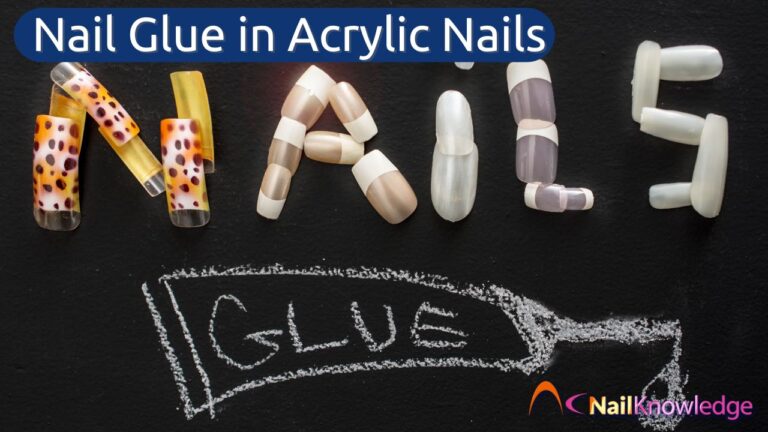
Safe Practices for Using Nail Glue in Acrylic Nail Application

Understanding the chemistry behind our products, particularly the use of nail glue in acrylic applications, is key to ensuring safe and long-lasting nail enhancements. Is it safe to use nail glue to attach tips to the free edge before applying acrylic? Yes, this is a long-standing, recognised method in the nail industry and is perfectly safe when done correctly.

Understanding the Chemistry of Nail Products

Acrylates vs. Methacrylates

Nail glue and liquid monomer & powder polymer, also known as acrylic, are both derived from acrylates, a class of fast-reacting, strong-bonding compounds widely used in the nail industry.

  • Acrylates, like those in nail glue, are acrylic acid derivatives designed for rapid bonding and strong adhesion, enabling quick setting.
  • Methacrylates, found in acrylic liquid monomers, include an additional methyl group, making them slightly less reactive. This slower curing time enhances durability and strength, perfect for sculpting nail enhancements.

Why This Matters

The chemical compatibility of nail glue and acrylic enhancements, due to their shared acrylate-based properties, allows for seamless adhesion and structure. However, these acrylates are monomers, which can be allergens. Improper use may lead to irritation or allergies over time. Hence, correct application and knowledgeable, safe usage are crucial.

Best Practices for Using Nail Glue in Acrylic Nail Enhancements

While using nail glue and acrylic together is a standard technique, correct application is essential to ensure longevity, safety, and client protection.

  • Use a Cosmetic-Grade Nail Glue: Always choose a professional, cosmetic-grade nail glue designed specifically for nail enhancements. Avoid generic “super glue,” which may contain too-strong bonding agents harmful to the nail plate.

Correct Nail Preparation

  • Preparation is Key: The nail plate must be clean and dry before tip application. Gentle buffing removes surface shine for best adhesion, but over-filing should be avoided to maintain the natural nail’s integrity.

Avoid Skin Contact

  • Safety First: Nail glue and liquid monomer should never touch the skin as prolonged exposure increases the risk of developing irritation or allergies. Remove any accidental skin contact immediately to prevent prolonged exposure.

Use the Correct Liquid-to-Powder Ratio

  • Balance is Essential: Maintaining the correct monomer-to-polymer ratio is crucial when applying acrylic over the glued tip. Too much liquid leads to improper curing, while too much powder can create brittle, weak enhancements.

Minimise Overexposure & Maintain Proper Ventilation

  • Health Precautions: Working in a well-ventilated area and following manufacturer guidelines are vital to avoid sensitisation and allergies. Encourage proper hand hygiene for both the technician and the client to minimise prolonged product contact.

Final Thoughts and Recommendations

Using nail glue to attach tips to the free edge and reinforcing the structure with acrylic is a well-established, safe, and effective method—provided it is done with the correct technique and professional-grade products.

Key Takeaways:

  • Always use professional products.
  • Follow best hygiene and application practices.
  • Respect the chemistry behind the products to protect yourself and your clients.
  • Minimize skin contact and overexposure to prevent allergies and irritation.

When done correctly, this method provides strong, durable, and safe enhancements that clients love! provides strong, durable, and safe enhancements that clients love! 💅✨

Filed Under: Lotions, Potions and Polishes, Product Chemistry

  • « Go to Previous Page
  • Page 1
  • Page 2
  • Page 3
  • Page 4
  • Page 5
  • Interim pages omitted …
  • Page 11
  • Go to Next Page »

Level Up Your Nail Insights

Join our Newsletter!
SUBSCRIBE...

Copyright © NailKnowledge

NailKnowledge

  • MyNailEra
  • eBooks
  • About us
  • Courses
  • News
  • Blog
  • Newsletter
  • Glossary

Policies

  • Privacy Page
  • Terms & Conditions
  • Cookie Policy

Support

  • Contact Us
  • Meet the Experts
  • Ask the Experts
  • System Support
  • FAQs
English
English
Portuguese Spanish Vietnamese