The Truth About Nail Oils and Hydration
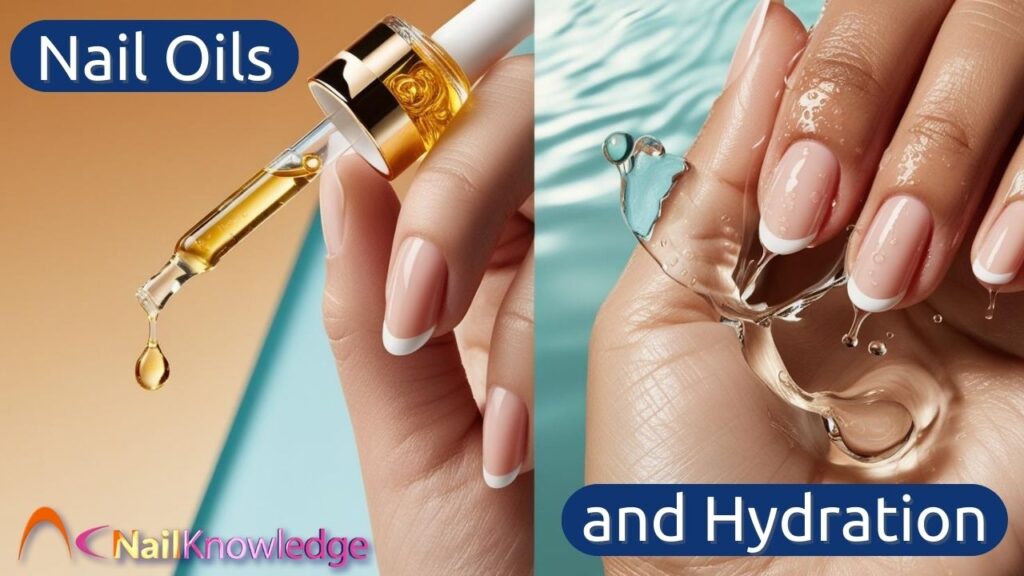
Ever wonder if those fancy nail oils actually moisturise your nails? It’s a question that stumps even seasoned beauty professionals, and it’s easy to see why. The word moisturise gets thrown around so much in beauty marketing that it’s started to mean a hundred different things. Let’s break it all down and uncover what oils really do for nails, and what they don’t.


What Does “Moisturise” Actually Mean?
To moisturise something literally means to increase its water content — to add water, not oil. That’s a key point! Here’s what you need to know:
- Moisture = Water, not oil.
- Moisturisers are products that help increase the water content in skin, nails or hair.
- Products that moisturise typically contain water and ingredients to help hold that water in.
When people say, “this oil is so moisturising,” what they often mean is that it helps their skin or nails feel less dry, but not that it’s adding water. Here’s why that distinction matters.
Can Oils Moisturise Nails? Not Exactly…
Oils themselves do not contain water. They’re anhydrous, which means without water. So technically, they can’t moisturise. But they do something very clever instead:
- Oils form a barrier on the nail or skin surface, preventing existing water from escaping.
- This barrier slows down trans-epidermal water loss (TEWL), which is a fancy term for the way water evaporates through the skin or nail surface.
- So, while oils don’t add water, they help your body retain its own natural moisture.
Think of it like wrapping your hands in cling film. It doesn’t add water, but it keeps what’s already there from escaping. That’s what oils do for nails and skin.
Important Terms to Understand
Here’s a simple breakdown of some of the key terms Doug Schoon mentioned, explained in everyday language:
🧴 Moisturise
- Definition: To increase the water content of skin, nails, or hair.
- Fun Fact: Only products that contain water, like creams or lotions, can actually moisturise.
- Misconception: Oils can’t moisturise — they lock in moisture, which is a different job altogether.
🧈 Occlusive Agents
- Definition: Ingredients that form a protective barrier on the surface to stop water from evaporating.
- Examples: Mineral oil, petroleum jelly, silicone oils.
- Think of it like: A raincoat for your skin. It doesn’t hydrate, but it keeps water from escaping.
- For Nails: Occlusive oils can keep nails flexible and prevent cracking by stopping too much water from leaving the nail plate.
🧪 Emulsifiers
- Definition: Special ingredients that help oil and water mix together.
- Examples: Found in lotions, creams, mayonnaise (yes, really!), and salad dressings.
- Why It Matters: Without emulsifiers, water-based and oil-based ingredients would separate. With them, you get smooth, stable products that can both hydrate and protect.
💧 Trans-Epidermal Water Loss (TEWL)
- Definition: The natural process where water moves from inside your body to the surface of your skin or nails and evaporates.
- Why It Matters: The more TEWL you experience, the drier your skin or nails feel.
- How Oils Help: By forming a barrier, oils slow down TEWL, helping to keep moisture in and dryness out.
🌊 Anhydrous
- Definition: A substance that contains no water.
- Example: All oils, from coconut to jojoba, are anhydrous.
- Meaning for Nails: Oils won’t add moisture (water) on their own, but they preserve what’s already there.
So, What’s the Best Way to Keep Nails Hydrated?
Here’s the ideal nail care routine if you’re aiming for proper hydration and flexibility:
- Apply a water-based moisturiser or lotion first, to introduce actual water into the nail plate.
- Seal it in with a good quality nail oil, like jojoba or avocado oil, which can penetrate and help trap moisture beneath the surface.
- Repeat regularly, especially after washing hands, using sanitiser, or exposure to cold weather or harsh chemicals.
Final Thought: Oils Are Allies, But Not Moisturisers
In the end, the question do oils moisturise nails comes down to understanding their true role, not as hydrators, but as protectors that help retain moisture..
They’re brilliant at:
- Locking in hydration
- Increasing nail flexibility
- Reducing brittleness
- Enhancing the overall feel and appearance of your nails
So the next time you reach for that cuticle oil, remember, it’s not moisturising, it’s protecting — and that’s just as important.