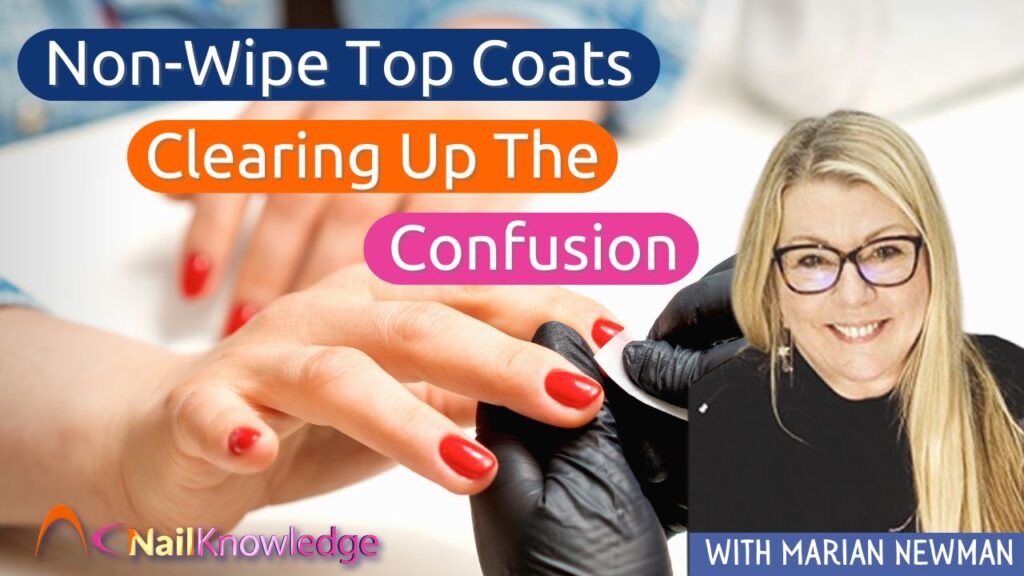
We get asked this question a lot: “Do non-wipe top coats really need to be wiped?” With so much conflicting information out there, it’s understandable to feel unsure. Safety is essential, and knowing the facts helps protect both you and your clients from potential allergies or irritation.
To help clear things up, here’s a detailed breakdown of non-wipe top coats, why some people still choose to wipe, and how to use them safely and effectively.

What is a Non-Wipe Top Coat?
- Non-wipe top coats are designed to cure completely without leaving a sticky or tacky inhibition layer after being cured under a UV or LED lamp.
- This means, in theory, you do not need to wipe the nail with alcohol or any cleanser after curing.
Why Some People Might Still Wipe
- Misunderstanding: Some people may be used to traditional top coats (which do leave an inhibition layer) and automatically wipe without realizing it’s unnecessary.
- Shine or Texture Preference: Occasionally, people feel that wiping enhances the shine or feel of the top coat. However, for genuine non-wipe top coats, this step is unnecessary.
- Safety Concerns: Some technicians worry that uncured product might be left behind, causing allergies or contact dermatitis. However, if the product cures correctly under a calibrated UV/LED lamp, it should be fully set, and no harmful substances should remain. If you are worried about the incidences of allergies then continue to wipe over the cured coating just in case there is any uncured material. Remember to wipe from base to the tip each time and start with little finger
Best Practices for Using a Non-Wipe Top Coat Safely
- Follow Manufacturer Instructions: Ensure you are using a top coat specifically formulated as a non-wipe product. Always trust the manufacturer’s guidelines and use the correct curing times and lamps they recommend.
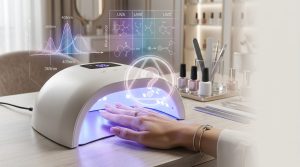
- Proper Curing: Ensure your UV/LED lamp is suitable (check wattage and cure times). An under-cured product can lead to uncured monomers causing skin irritation or allergies.
- Check the Surface: After curing, if the nail feels fully smooth and dry, there’s no need to wipe. If it feels tacky, there may be an issue with the curing process, or it might not be a true non-wipe formula.
- Regularly Test Your Lamp: Over time, lamps may lose their efficiency. Ensure your lamp is functioning well to avoid incomplete curing.
- Allergy Awareness: If you or your clients have sensitive skin, make sure to avoid direct skin contact with the uncured product, as this can increase the risk of allergies.
Conclusion
If your top coat is labeled as a non-wipe product and you are using it correctly with a properly functioning lamp, there’s no need to wipe. Inconsistent advice may come from misunderstandings or concerns about proper curing. Trust the product guidelines and ensure good curing practices to keep yourself and your clients safe.
If you still feel uncertain, consider reaching out directly to the manufacturer’s customer support for clarification or additional advice tailored to their product.