How to Spot Quality in a Crowded Market
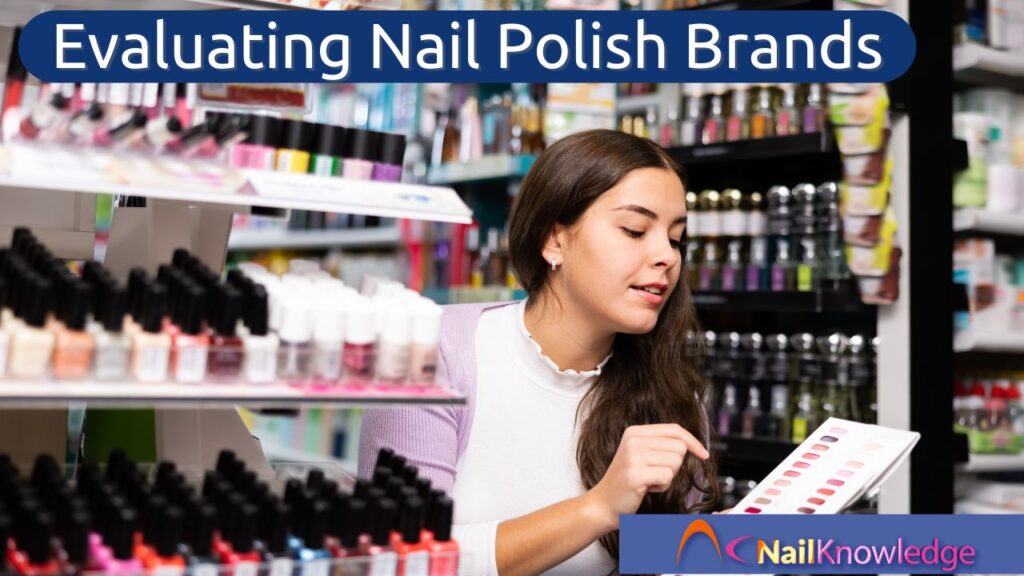
Let’s be honest: Walking into the world of professional nail products feels a bit like stepping into a candy store. Glossy bottles, mesmerising colours, promises of “chip-free wear” and “salon-perfect results”… but here’s the rub. Unlike candy, the stakes are much higher especially when it comes to evaluating nail polish brands. One wrong choice could mean allergic reactions, lifting polish, or worse, damage to your clients’ trust. So how do you cut through the glitter and make confident, informed decisions like a pro?
As a nail tech, you’re not just an artist, you’re a chemist, a detective, and a safety advocate rolled into one. Whether you’re eyeing those trendy Korean gel polishes or sticking to European favourites, selecting the right polish requires a mix of science, intuition, and good old-fashioned homework. Let’s break down what really matters.


Evaluating Nail Polish Brands: Why It’s About More Than Just Colour
Picture this: you’re at a restaurant. The menu looks incredible, but you have no idea what’s actually in the dish. Is it fresh? Is it sustainably sourced? Does it contain allergens? That’s exactly how clients feel when they sit in your chair. They trust you to know what’s in the bottle, and whether it belongs on their nails.
Evaluating nail polish brands starts with treating products like ingredients in a recipe. A stunning colour means nothing if the formula flakes off in two days or triggers a reaction. But where do you even begin? Let’s talk about the red flags, green flags, and everything in between.
The Ingredient Hot Topic: What’s Really in That Bottle?
Here’s the uncomfortable truth: many brands hide behind buzzwords. “12-Free!” “Vegan!” “HEMA-Free!” Sounds impressive, right? But without context, these labels are about as useful as a sunscreen that only blocks UVB rays.
Take HEMA (Hydroxyethyl Methacrylate), the poster child of nail allergies. Some brands market “HEMA-free” gels as safer, but swap it for HPMA or IBOA, which can be just as problematic. It’s like replacing peanuts with cashews and calling it “nut-free”. The lesson? Marketing can lie. Ingredients don’t.
When evaluating a brand, demand full ingredient transparency. Look for:
- Disclosed acrylate profiles (e.g., EMA vs. MMA)
- Full ingredient disclosure, including potentially problematic allergens such as HEMA
- Transparency about allergen and irritant concentrations (lower percentages within their recommended upper limits is recommended for allergy prevention, though individual sensitivities vary)
Pro tip: If a brand’s website buries its ingredient lists or uses vague terms like “safe polymer blend,” walk away. Transparency is non-negotiable. A reputable brand will provide clear, accessible ingredient lists and be open to direct conversations about product safety. They should also be quick to provide cosmetic regulation documents, such as SDS or CPNP registration, either readily available on their site or swiftly given upon request. Clear communication and support are key.
Certifications to Consider When Evaluating Nail Polish Brands
Think of certifications as a brand’s resume. Would you hire someone without checking their references? Probably not. The same goes for polish. Look for:
- EU Compliance (e.g., CPNP registration)
- Leaping Bunny Certification (cruelty-free)
- ISO 9001 (quality management)
However, be aware that some brands may be cruelty-free, or vegan, but may not carry the Leaping Bunny logo. This certification is typically reserved for larger, long-established brands that can afford the cost of using the well-known symbol. Not all brands can afford the Leaping Bunny certification, especially smaller or newer brands. It’s important to remember that a lack of this certification doesn’t necessarily mean the brand isn’t cruelty-free, they may use other similar symbols. It could simply be a matter of cost and accessibility for smaller companies.
But here’s the catch: certifications aren’t foolproof. They’re a starting point, not a finish line. A brand might be cruelty-free but still use irritating acrylates. Use certifications as one piece of the puzzle, not the whole picture.
Performance Under Pressure: Durability, Application, and Removal
Let’s get practical. A polish could have the cleanest ingredient list on Earth, but if it gloops, streaks, or chips faster than a supermarket bargain bin, it’s useless. When evaluating nail polish brands, put them through a real-world boot camp:
- Viscosity test: Does it self-level, or does it pool and uncontrollable to use?
- Curing time: Does it harden properly with your lamp? (Not all LEDs are created equal!)
- Removal: Does it soak off cleanly, or does it shred the nail plate?
Ever tried removing a “budget” gel polish? It’s like scraping concrete off a soufflé. Your clients’ nails deserve better.
Checklist for Evaluating Nail Polish Brands Like a Pro
Cutting through marketing fluff requires the right questions. Next time you’re evaluating nail polish brands, grill them like a journalist:
- “Can you provide a full ingredient breakdown?”
- “What’s your recommended lamp for curing?”
- “Do you offer SDS sheets for salon safety compliance?”
- “How do you test for allergic reactions?”
- “What’s your shelf life after opening?”
- “Do you offer pro discounts or bulk pricing?”
- “Can I speak to your technical support team?”
- “What’s your returns policy for faulty products?”
- “Do you provide swatches or sample sizes?”
- “Where are your products manufactured?”
A reputable brand won’t shy away from these. If they do? Red flag.
Safety vs. Artistry: Can You Have Both?
Here’s the million-dollar question: Can a brand be both safe and inspiring? Absolutely, but it requires balance. Those hyperpigmented Korean gels might look like liquid starlight, but if they’re packed with untested acrylates, they’re not worth the risk.
Think of it like cooking. You could use cheap vegetable oil for frying, but avocado oil is healthier and gets the job done. Similarly, prioritise brands that merge safety with performance. Look for:
- High pigment load (fewer coats = less product on the nail)
- Precision brushes (reduces skin contact)
- Educational resources (webinars, technique guides)
The Human Factor: Why Your Technique Matters Most
Even the safest polish can cause harm if applied poorly. Imagine handing Van Gogh a toddler’s crayon, it’s not the tool’s fault if the masterpiece flops. Similarly, evaluating nail polish brands is pointless without mastering:
- Cuticle prep (90% of lifting comes from poor prep!)
- Thin layers (prevents under-curing)
- Skin protection (barrier creams, nitrile gloves)
No brand can compensate for rushed work, or manufacturers instructions not being followed. Period.
Final Thoughts: Becoming a Nail Detective
Evaluating nail polish brands isn’t about finding a “perfect” product, it’s about managing risk while delivering art. Trust your gut. If a brand feels sketchy, it probably is. And remember: the best products empower both safety and creativity.
Your clients don’t need a walking ingredient dictionary. They need a confident professional who’s done the homework, so they don’t have to. Now go forth, vet those polishes, and paint with peace of mind.