• Skip to primary navigation
  • Skip to main content
  • Skip to footer
NailKnowledge

NailKnowledge

  • Courses
  • MyNailEra
  • Free eBooks
  • Knowledge Base
    • Knowledge Base
    • Ask the Experts
    • Glossary
  • Blog
  • Newsletter
  • Login
Nail Coatings bad for nails

Nail coatings are bad for the nails.

December 21, 2022 by Doug Schoon

74 Views

A common MYTH: Nail coatings are bad for the natural nail

This is NOT correct.

Nail coatings don’t harm the nail plate and any nail damage is usually a result of improper application and/or removal. If the nail plate underneath the enhancement is much thinner than the area of new nail growth, this strongly indicates excessive filing with a manual or electric file. Overly aggressive filing causes the majority of nail plate damage seen in salons. This isn’t done just in discount salons, it happens even in high-end salons and is indicative of an improperly trained nail professional.


Nail coatings increase the moisture content

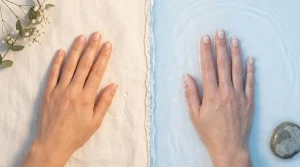
If upon removal the nail plates are not any thinner but feel like they are overly flexible, this does NOT indicate the nails are “weaker”. Instead, this is a temporary effect created by an increased moisture content of the nail plate. Nail coatings increase the moisture content of the plate by 10-15% and this can last up to 12-24 hours after coating removal; after which the moisture content returns to normal, as will the nail plate’s normal level of rigidity.

Improper removal – things to look out for

When the nail surface is covered with dry-looking white patches, this is usually due to improper removal, e.g. scraping or peeling nail coatings from the nail plate. Soaking the natural nail for even a few minutes in acetone or water will temporarily soften the surface making it temporarily more susceptible to damage from wooden or metal implements that pry, push or force the remaining residual nail coatings from the nail plate. Instead, a good rule to follow is, “Use the utmost care for 60 minutes after immersing natural nails in any liquid for more than 60 seconds.”

Other damage, e.g. onycholysis, is also usually caused by improper filing or removal techniques

Infections do occur, but they are relatively uncommon and can be easily avoided by practicing proper cleaning and disinfection. The facts are, when artificial enhancements or coatings are carefully and properly applied, maintained, and removed by a trained, skilled, and knowledgeable nail professional- they will not cause nail damage! The vast majority of damaged nail plates are caused by improper use- over filing and/or scraping the nail plate to remove products or by client nail abuse, e.g. picking or prying off nail coatings.

Categorised: Myth Busting, Nail Services

Related Articles

A beautiful woman with glossy, healthy nails holds her hand up close to her face, examining the base of her nails with a look of surprised curiosity, dramatic beauty editorial lighting

You’ve Been Cutting the Wrong Thing This Whole Time

Most people have been cutting the wrong thing for years without realising it. What you think of as your cuticle…

Read Moreabout You’ve Been Cutting the Wrong Thing This Whole Time
Gel polish wrinkling, lifting, or full of bubbles? The science of curing compatibility explains everything. Learn why your lamp and formula need to match — and how to get a perfect cure every time.

Gel Polish Curing: Lamp Compatibility and Common Issues

Gel polish curing is more than just light and time. Discover how mismatched lamps and formulations cause wrinkling, micro-bubbles, and…

Read Moreabout Gel Polish Curing: Lamp Compatibility and Common Issues
Best Nail Shape for your hand

Best Nail Shape for Your Lifestyle

Choosing the best nail shape goes beyond trends. Discover how your nail bed width, finger length, and daily lifestyle all…

Read Moreabout Best Nail Shape for Your Lifestyle
Colour Theory for Nails

Colour Wheel for Nails: How Colour Theory Works

Colour theory for nails is grounded in real science: how light reflects, how cone cells perceive wavelength, and how pigments…

Read Moreabout Colour Wheel for Nails: How Colour Theory Works
nail reaction explained

Nail Reactions Explained: What Your Nails Are Telling You

Redness, soreness, lifting, itching after a nail appointment — these responses have a name and a cause. Getting nail reactions…

Read Moreabout Nail Reactions Explained: What Your Nails Are Telling You

Mixing Nail Brands and Lamps

A real-world case of mixing nail brands and lamps Mixing nail brands and lamps is a common temptation for professionals,…

Read Moreabout Mixing Nail Brands and Lamps

Level Up Your Nail Insights

Join our Newsletter!
SUBSCRIBE...

Copyright © NailKnowledge

NailKnowledge

  • MyNailEra
  • Free eBooks
  • About us
  • Courses
  • News
  • Blog
  • Newsletter
  • Glossary

Policies

  • Privacy Page
  • Terms & Conditions
  • Cookie Policy

Support

  • Contact Us
  • Meet the Experts
  • Ask the Experts
  • System Support
  • FAQs
English
English
Spanish